


Unpopular Opinion: Nigeria Has High Poverty Rate & Not High Unemployment
ULOKA CHIBUIKE 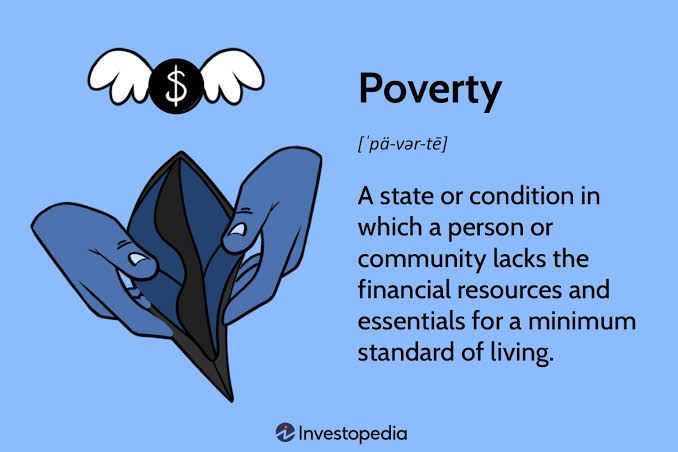
Although Nigeria is overpopulated, the country does not necessarily have an issue with unemployment, as being suggested. Instead, the prevalence of underemployment and low wages is responsible for the high poverty rate. Recent data indicating that Nigeria’s unemployment rate is lower (4.1%) than that of the UK, France, Germany, and other countries in Western Europe and Asia is accurate, in spite of the influx of Nigerians to the countries for greener pastures.
Out of every ten Nigerian workers, seven or more are employed in either the white-collar or blue-collar sectors. However, the majority of those employed in blue-collar jobs earn only peanuts as wages, contributing to the high poverty rate. This lack of equal purchasing power for all workers exacerbates the poverty problem.

The Nigerian government should prioritize the review of existing incentives and wages. The current structures perpetuate poverty, as artisans and menial workers, who make up a significant portion of employment globally, receive meager wages in Nigeria compared to similar jobs in advanced countries. This discrepancy has led many young Nigerians to turn to crime and other vices due to the limited availability of well-paying jobs.
To shift the focus and interest from white-collar to blue-collar jobs, the government must review incentives and establish legal frameworks that ensure living wages for blue-collar employees. This would raise the economic stability of the country and, consequently, reflect in the unemployment data.
Assuming that those working as roadside mechanics, bricklayers, at production and manufacturing sites, drivers and other transporters, road sweepers, or carpenters, to name a few, earn enough to have purchasing power that is comparable to or equal to that of persons working in white-collar jobs, we would have greatly reduced poverty, and many more young people would consider being craftsmen or women rather than the long queue for university certificates and advanced degrees for white-collar jobs.
Related posts