Nigeria’s Election And INEC: A Call For Digital Transformation

When reflecting on the elections in the Federal Republic of Nigeria, often referred to as the “Giant of Africa,” one might wonder why the Independent National Electoral Commission (INEC) has not yet embraced artificial intelligence (AI) or digitalization.
The challenges plaguing Nigerian elections are numerous: corruption, vote-buying, election rigging, ethnic tensions, security concerns, and more. It raises the question: why aren’t INEC and Federal lawmakers thinking outside the box? Are they benefiting from these issues, or are they simply lacking innovative solutions?
Consider the array of identification systems established by the government: the National Identification Number (NIN), Bank Verification Number (BVN), driver’s license, ATM cards, and voter’s cards. Despite the extensive data collected for these systems, this information is not leveraged for digital voting in Nigeria. Implementing a fully digital voting system could address, if not eliminate, at least 70% of the issues associated with elections. It would also significantly reduce the cost of conducting elections.

For example, if I can transfer money via my phone without exceeding daily limits, and if I need a PIN to complete transactions at the bank, why should voting be any less secure? Digital voting should incorporate similar security measures to ensure reliability and integrity.
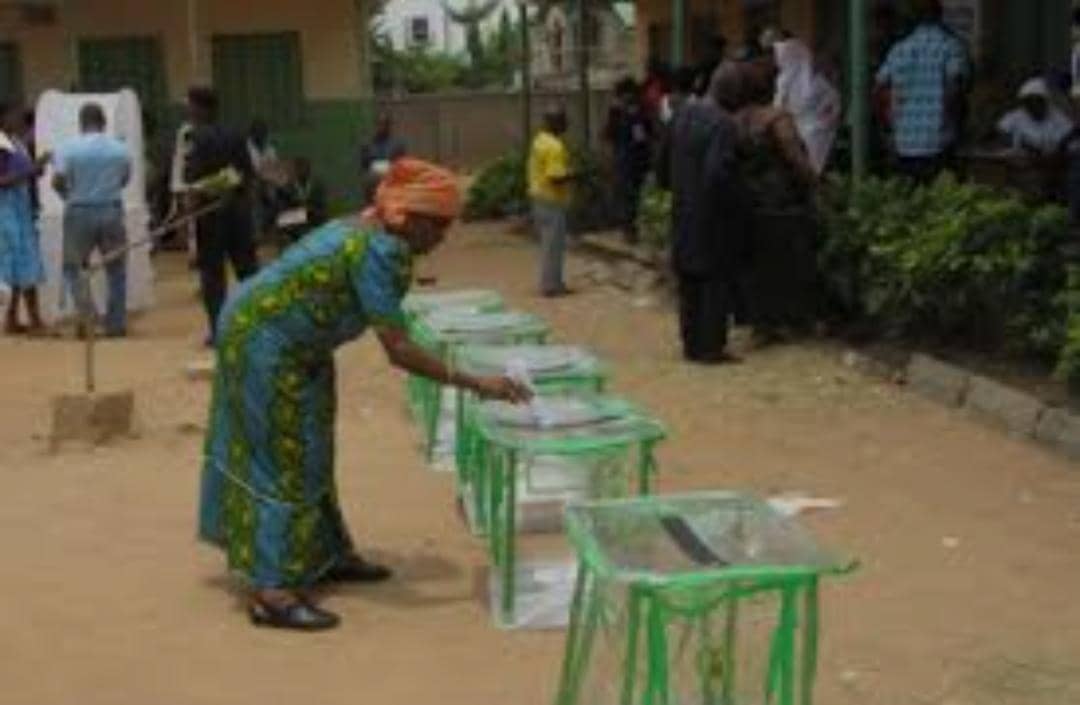
As Nigeria approaches the 2025 in Anambra and 2027 general elections, it is imperative for INEC to collaborate with financial institutions and digital organizations to ensure a credible and secure election process. Real-time transmission of votes, free from technical glitches, should be a priority. It is time for Nigeria to align with the practices of developed countries and get things right.
God bless Nigeria!
©Anaebonam Godwin Nkemakonam
bishopnkem@gmail.com
Related posts