

The Economics And Politics of Nigeria’s Housing Supply: A Call To Action
Posted on August 13, 2024
BY Dr. SAHEED MOSADOLUWA

As Nigeria approaches a staggering population of 240 million, the nation grapples with a pressing housing crisis that poses significant challenges to its economic stability and social fabric.
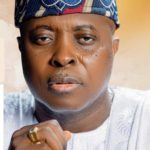
Dr. Audullahi Saheed Mosadoluwa, Chairman of Harmony Gardens and Estate Development Limited, highlights the urgent need for a comprehensive approach to bridge the widening housing deficit in the country.
Over the past seven years, Nigeria has witnessed an average annual population growth of 389,000, yet the Federal Government and state authorities have struggled to keep pace with the burgeoning demand for housing.
The Renew Hope Housing Initiative, while a step in the right direction, remains inadequate in addressing the medium to long-term supply shortages. The stark reality is that fewer houses lead to skyrocketing prices, exacerbating affordability challenges for millions of Nigerians.
The consequences are dire: higher prices, affordability challenges, and a widening gap between demand and supply. It’s time to acknowledge the politics of economic instability, which has discouraged investment in housing. Rising interest rates and high construction costs have tempered short-term demand and construction.
Dr. Mosadoluwa emphasizes that it is time to transcend the political ramifications of economic instability that have hindered investment in housing. Rising interest rates and escalating construction costs have tempered both short-term housing demand and construction activities, leaving many potential homeowners in limbo.
At the recent Bridging Housing Deficit Summit 2024, convened by Dr. Mosadoluwa, industry leaders and stakeholders gathered to discuss sustainable housing policies that could serve as a foundation for the next four federal elections.
The summit underscored the complexity of Nigeria’s housing deficit, which is unlikely to dissipate without concerted efforts from all sectors.
Cyclical and structural challenges abound, but the best policy approach is to restore long-term balance in market indicators. Government engagement with private developers and foreign investors is crucial.
“The government at all levels must engage in meaningful dialogue with private developers and foreign investors,” Dr. Mosadoluwa stated during the summit.
“Addressing the cyclical and structural challenges in the housing sector requires collaboration and innovative solutions.”
The summit illuminated the multifaceted nature of Nigeria’s housing crisis, revealing that the best policy medicine involves restoring long-term balance in key market indicators. This includes re-evaluating financing mechanisms, incentivizing private investment, and streamlining bureaucratic processes that often delay construction projects.
As Nigeria prepares for future elections, the urgency of addressing the housing deficit cannot be overstated. Political leaders must prioritize housing as a critical component of national development, recognizing its implications for economic growth, social stability, and overall quality of life for citizens.
Dr. Mosadoluwa’s call to action resonates deeply within the context of Nigeria’s ongoing struggles. “We need to fasten our seat belts and prepare for a long ride,” he cautioned. The size of the housing problem is daunting, but with collaborative efforts and a commitment to sustainable development, there is hope for a brighter future.
In conclusion, Nigeria stands at a crossroads where the intersection of economics and politics will shape its housing landscape for generations to come. It is imperative that all stakeholders come together to forge a path toward sustainable housing solutions that can accommodate the nation’s growing population while fostering economic resilience.
The size of the housing problem demands a comprehensive solution. It’s time to fasten our seat belts and get ready for a long ride. The time for action is now; the future of Nigeria’s housing supply depends on it.
Related posts