

Stigmatization Of Victims: The Unseen Tears Of The Chibok Girls
Posted on January 30, 2025
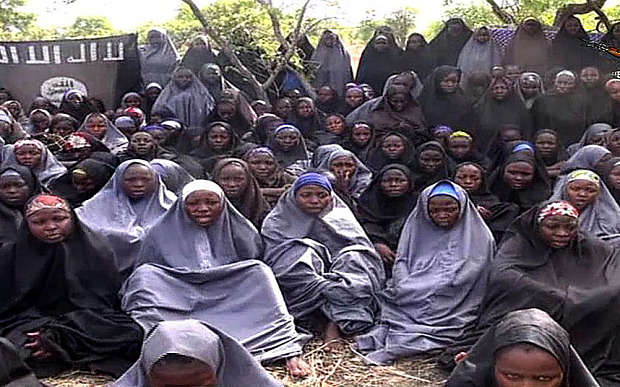
Whenever a tree discovers the handle of the axe that cut it down to be one of the tree’s family, depression of the highest level becomes its portion. The return of the Chibok girls, who were kidnapped by Boko Haram in 2014, should have been a moment of joy and celebration. However, for many of the girls who returned with pregnancy and children, their homecoming has been marred by stigma, mockery and rejection.
In their communities, they are often referred to as “Boko Haram wives” and their children as “Boko Haram children”. This label is not only hurtful but also perpetuates the notion that the girls are somehow complicit in their own abduction and exploitation.
The stigmatization of victims is a pervasive problem that affects not only the Chibok girls but also many others, who have suffered trauma and abuse in different areas. It is a phenomenon that is rooted in a complex mix of cultural, social, and economic factors. In many societies, victims of trauma and abuse are often blamed for their own misfortune. They are seen as somehow flawed, weak or cursed and their bitter experiences are often trivialized or dismissed. This can lead to feelings of shame, guilt, and isolation, which can exacerbate the trauma and make it harder for victims to heal.
The stigmatization of victims also perpetuates a culture of silence and impunity. When victims are blamed or shamed, they are less likely to speak out or seek help. This allows perpetrators to continue their abuse with impunity, and it perpetuates a cycle of violence and trauma. In many cases, women who are victims of rape, especially married women find it difficult to speak in order to escape unholy stigmatization that makes villains out of victims.
The case of the Chibok girls highlights the need for a more nuanced and compassionate understanding of trauma and victimhood. We need to recognize that victims of trauma and abuse are not somehow flawed, weak, neither are they objects of shame, but rather, they are survivors, conquerors, who deserve our support, applaud and respect.
We also need to challenge the cultural and social norms that perpetuate the stigmatization of victims. We need to create a culture that values empathy, compassion, and understanding, and that supports victims in their journey towards healing and recovery.
Ultimately, the stigmatization of victims is a reflection of our own societal failures. It is a reminder that we need to do more to support and protect victims of trauma and abuse, and to create a culture that values their dignity and humanity.
The Stigmatization of Victims must be suppressed, suffocated and eradicated at all levels as we enforce a system that holds perpetrators of trauma and abuse accountable for their actions, and portrays their victims as victors, not villains.
Ambassador Ezewele Cyril Abionanojie is the author of the book ‘The Enemy Called Corruption’ an award winner of Best Columnist of the year 2020, Giant in Security Support, Statesmanship Integrity & Productivity Award Among others. He is the President of Peace Ambassador Global.
Related posts