In 2014, as Ebola swept through West Africa, the world watched a human tragedy unfold. But while many nations hesitated behind conference tables and bureaucratic caution, one small country stepped forward with courage: Cuba. Its response revealed a brutal reality in global emergencies, not all lives are treated with the same urgency.
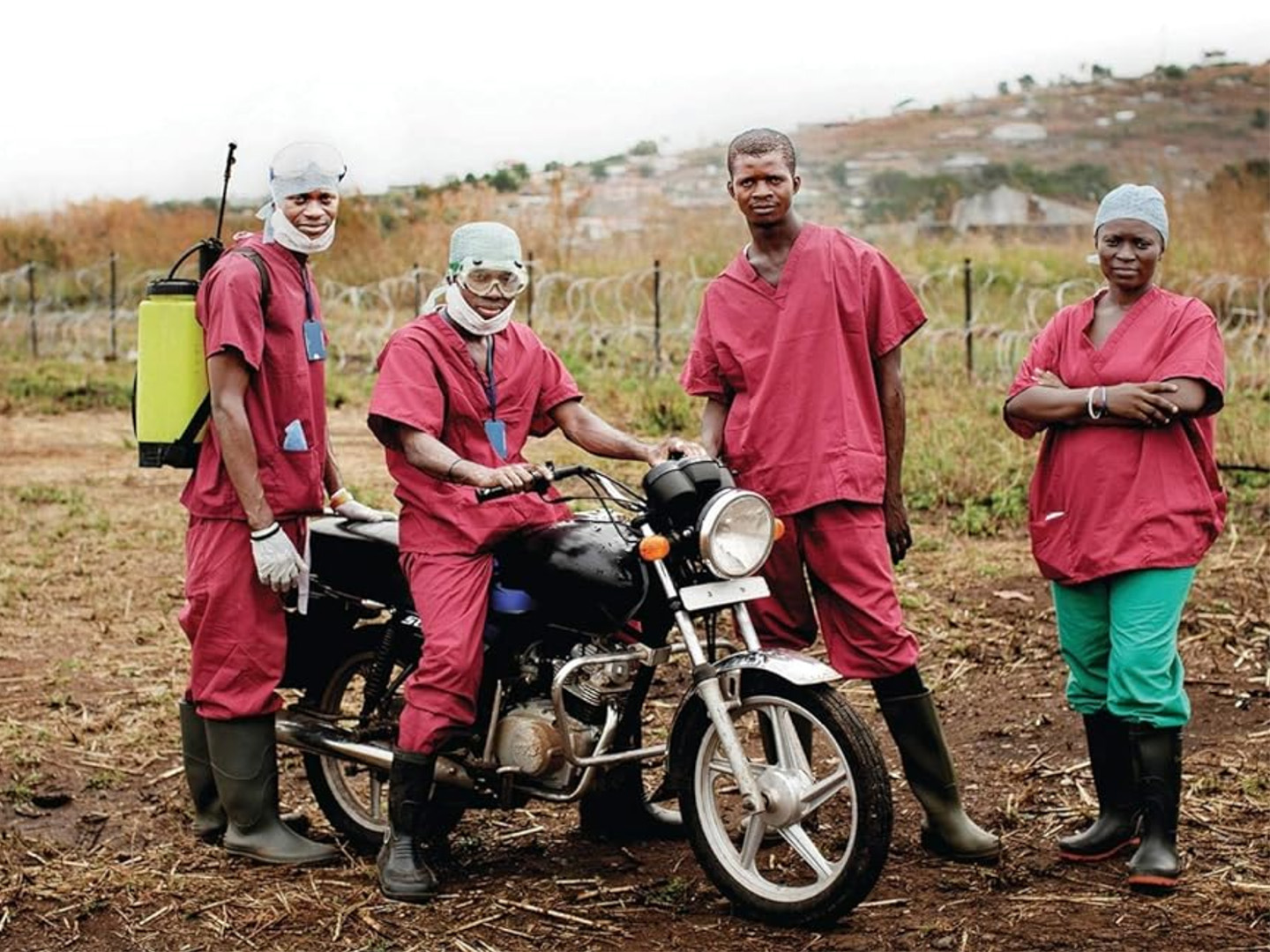
Cuba, with far fewer resources and far fewer excuses, sent more than 250 doctors and nurses into the very heart of the epidemic. They walked into makeshift wards where death hovered like heat, where protective suits felt like prisons, and where each shift felt like a gamble against fate. They did it without hesitation. And some of them were infected while many paid with their lives. Their courage was not abstract. It was blood, sweat, and sacrifice poured into the bedsides of strangers.
At the same moment, the world spoke about promising experimental drugs, ZMapp, Favipiravir, and others. Medicines that were said to be unproven, but represented the only sliver of hope for thousands. But these drugs were locked behind a labyrinth of regulations, committees, and ethical reviews. Procedures moved at snail speed while the outbreak moved like wildfire. Time was measured not in days, but in deaths. Tears, fear and angony echoed loud in the highly affected African regions, while France remained deaf and blind to their excruciating pains, sending more Africans to graveyards with the pretext of their intentionally manufactured bureaucratic claims.
When a French nurse contracted Ebola abroad, she was immediately evacuated and received experimental therapies with astonishing speed. She survived. But thousands of Africans facing the same virus were left waiting for “approval,” “procedures,” and “international alignment,” even as the clock ticked against them in overrun and under equipped clinics. Bureaucracy became a shield for the powerful and a barrier for the dying Africans.
No apology ever came for this selective urgency. No admission that lives might have been saved had the same compassion been extended to West African victims. Even the formal condemnation from Geneva-based discussions has not sparked introspection in the nations that moved slowly when African lives hung in the balance. It remains a moral silence that echoes louder than any diplomatic statement.
The contrast could not have been starker: a small developing nation risking its finest professionals, and a wealthy power retreating into its paperwork. The world witnessed two models of crisis response; one rooted in humanism, the other in quasi-procedural claims, deliberately designed against the affected African regions.
What remains most heartbreaking is the lost potential. How many mothers, fathers, and children might have survived had the world treated African patients with the same urgency granted to Western ones? How many communities would have been spared grief if lifesaving interventions were not fenced off by regulations that crumbled instantly when the patient was European?
Cuba’s sacrifice stands as a lesson in moral clarity: where there is political will, coupled with empathy, borders disappear, and humanity triumphs. The failures of others stand as a cautionary tale: when bureaucracy eclipses compassion, it becomes an accomplice to tragedy. It is so unfortunate that the present Nigerian government is wearing the national sport jersey of France playing against the African population.
As the world prepares for future pandemics, Africans must prepare to protect and save themselves. They must learn from the memory of 2014 and make it a burning propeller: the measure of civilization is not in its wealth or its paperwork, but in its ability to protect the vulnerable, act with urgency, and value all lives equally, especially when the stakes are life and death.
Note: Morality away from civilization equals barbarism, for there is nothing frank in france.
– Ambassador Ezewele Cyril Abionanojie is the author of the book ‘The Enemy Called Corruption’ an award winner of Best Columnist of the year 2020, Giant in Security Support, Statesmanship Integrity & Productivity Award Among others. He is the President of Peace Ambassador Global.