Abia Goes Electric As Governor Otti Rewrites The Story Of Public Transportation
Posted on December 21, 2025
EBERE UZOUKWA, PhD
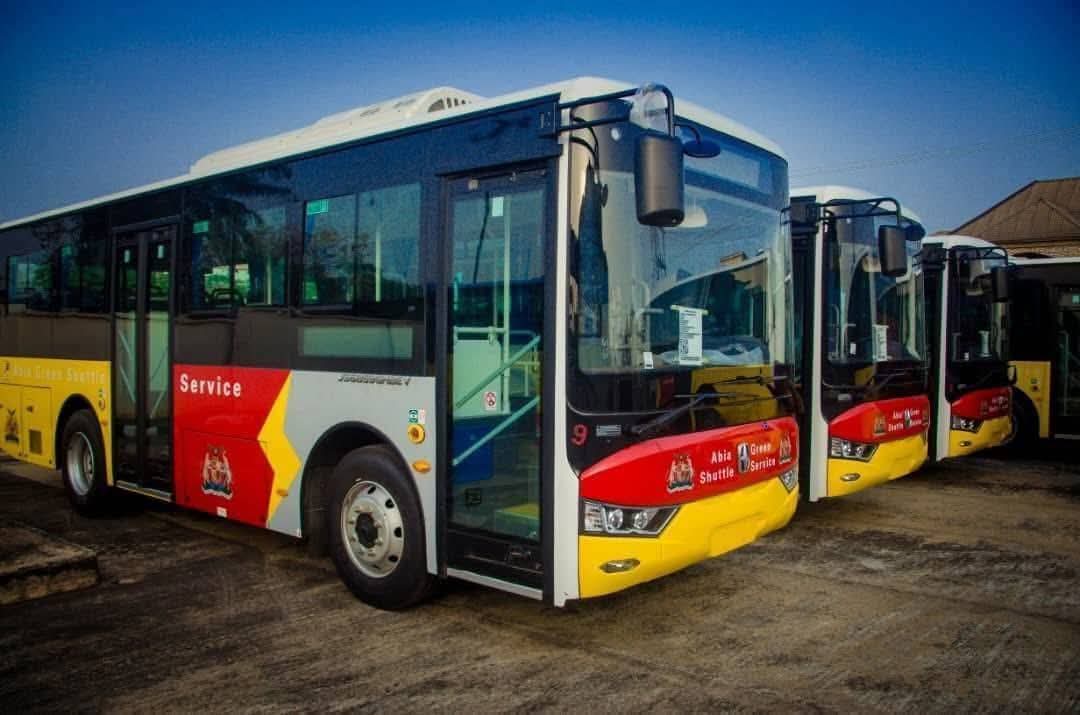
With the rollout and formal commissioning of its first batch of state owned electric buses on Monday, 22nd December 2025, Abia State is taking a decisive step into the future of public transportation. The commissioning ceremony, scheduled for 1:00 pm at the International Conference Centre (ICC), Umuahia, will be performed by His Excellency, Dr. Alex Chioma Otti, OFR, Executive Governor of Abia State. This initiative marks a significant policy shift under Governor Otti’s administration, reflecting a deliberate commitment to infrastructure renewal, environmental sustainability, and people centered service delivery, key components of modern governance.
The introduction of electric buses into the Abia Mass Transit Programme is a carefully considered response to long standing challenges that have undermined public transportation across many Nigerian states. These challenges include inefficiency, high operating costs, commuter discomfort, and environmental degradation. By embracing electric mobility, the Otti administration has opted for a solution that combines innovation with fiscal prudence and environmental responsibility. Electric buses require lower maintenance, have fewer moving parts, and reduce dependence on fossil fuels, resulting in long term cost savings for government and improved service reliability for commuters.
At the heart of the programme is a strong emphasis on safety, comfort, and operational efficiency. The 40 seater, air conditioned buses deployed in the first phase are custom built for Abia State and fitted with modern safety systems that enhance passenger protection and driver control. Their design prioritizes commuter comfort through spacious seating, smooth suspension, and quiet operation, significantly improving the quality of urban mobility. Operational sustainability is further strengthened through interim charging arrangements supporting the pilot phase, alongside the ongoing construction of ultra modern bus terminals in Umuahia and Aba. Once completed, these terminals will feature advanced charging and operational infrastructure to support a scalable electric mass transit system.
Affordability and social inclusion form central pillars of the initiative. As part of the pilot phase, the government has approved free rides for commuters during the Yuletide season, reinforcing the view of transportation as a social service rather than a commercial luxury. This intervention is particularly timely given prevailing economic pressures on households. By easing mobility costs, the administration is supporting productivity, social interaction, and economic activity across the state.
The environmental benefits of the electric bus programme are equally significant. Unlike conventional petrol or diesel powered vehicles, electric buses produce zero emissions during operation. This reduces air pollution, lowers the state’s carbon footprint, and contributes to healthier urban environments in Umuahia, Aba, and other cities as the programme expands. Noise pollution is also significantly reduced, enhancing overall urban livability. In the context of growing global concern about climate change, Abia’s investment in clean transportation aligns the state with forward looking development practices.
From a broader national perspective, Abia State has positioned itself as a leading example of subnational innovation in electric mobility. The deployment of state owned electric buses places Abia among the few subnational governments in Nigeria actively transitioning toward clean public transportation. In fact, Abia is the first subnational government in Nigeria to deploy electric buses for mass transit. With an additional batch of buses expected soon and a clear plan to expand the fleet to 100 buses by the end of next year, the initiative reflects a well conceived and sustainable investment rather than a symbolic gesture.
The electric bus programme is firmly rooted in Governor Otti’s governance philosophy and social services agenda as outlined in his manifesto. It aligns with his administration’s emphasis on prudent financial management, infrastructure development, and efficient public service delivery. Beyond transportation, the programme enhances economic productivity by improving access to markets, workplaces, schools, and healthcare facilities, while also creating opportunities for employment and skills development within the transport ecosystem.
Ultimately, the transition to electric public transportation stands as a clear demonstration of Governor Alex Chioma Otti’s determination to reposition Abia State as a modern, competitive, and environmentally responsible economy. It reflects a leadership approach that prioritizes planning, innovation, and the welfare of citizens. As Abia goes electric, the state is not only redefining public transportation but also offering a compelling example of how purposeful governance can deliver sustainable progress.
(For: Media and Communication Team, Abia EV Mass Transit)
Related posts