
From Convenience To Culture: How Streaming Will Shape Entertainment In Nigeria In 2026
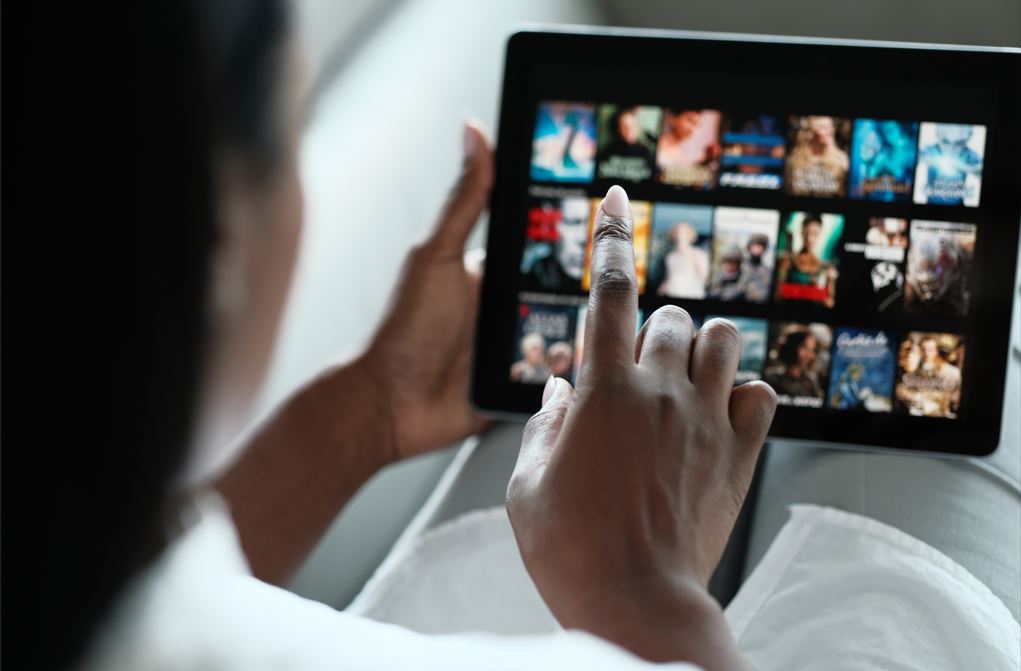
Not too long ago, streaming in Nigeria was seen as a convenience, an alternative to traditional television, used mostly to catch up on missed shows or explore international content. Today, it has evolved into something far more ingrained. Streaming is now a culture: a daily habit that shapes conversations, influences pop culture, drives fandoms and even dictates how stories are told.
From late-night binge sessions and group watch parties to live-tweeting reality shows and football matches, streaming has become woven into how Nigerians experience entertainment. As mobile devices, smart TVs and affordable data options continue to expand access, the platform has moved from the fringes to the centre of everyday life. In 2026, this cultural shift will become even more pronounced.
Here’s what to expect as streaming continues to evolve in Nigeria and across Africa.
Value Will Define Loyalty in an Overcrowded Streaming Market: As streaming becomes mainstream, Nigerian audiences are becoming more discerning. Subscription fatigue is real, and users are no longer impressed by platforms with limited libraries or infrequent updates.
In 2026, loyalty will belong to platforms that offer sustained value, not just headline titles. This means:
-
Deep content libraries that go beyond a handful of popular shows
-
A healthy mix of live TV, sports and on-demand entertainment
-
Regular content refreshes that keep audiences engaged month after month
-
Viewers now understand value, and they will gravitate towards platforms that consistently deliver variety and relevance.
Local Stories Will Drive Cultural Relevance: Streaming has amplified the power of Nigerian storytelling, giving local productions the scale and visibility once reserved for traditional TV. Viewers are showing a clear preference for stories that feel familiar, authentic and culturally grounded.
In Nigeria, titles like Omera, Glass House, Italo, The Real Housewives of Lagos, Nigerian Idol and Big Brother Naija have become shared cultural moments, driving online conversations and real-world buzz. These shows are not just being watched; they are being experienced.
Across the continent, similar patterns are emerging, reinforcing the role of hyperlocal content in building loyalty and identity. In 2026, investment in African creators will remain central to streaming growth.
Streaming Becomes Personal and Predictive: As streaming matures, platforms will increasingly rely on AI to understand viewers on a deeper level. In 2026, Nigerian users can expect:
-
More intuitive recommendations tailored to individual tastes
-
Smarter content discovery that reduces the time spent searching
-
Interactive experiences that respond to viewer behaviour
Beyond content, AI will also enhance advertising relevance and customer support, creating a smoother, more personalised user journey.
Live Sports Will Continue to Anchor Streaming Culture: While binge-worthy series drive daily engagement, live sports remain one of streaming’s biggest cultural anchors. Football, in particular, continues to command passionate followership in Nigeria.
With the 2026 FIFA World Cup scheduled for June–July, live streaming will dominate viewing behaviour once domestic leagues conclude. Nigerian football fans demand quality, reliability and immediacy, making official platforms with full broadcast rights, such as SuperSport, essential destinations during major tournaments.
In 2026, sports will further reinforce the value of legitimate, high-quality streaming experiences.
Security Becomes Non-Negotiable: As streaming cements its cultural relevance, content protection will take on greater importance. Premium sports and entertainment remain prime targets for piracy, but the response is becoming more sophisticated.
Technologies from cybersecurity firms like Irdeto now enable real-time monitoring, rapid takedowns and legal action against illicit streaming networks. These measures protect not just platforms, but creators and the broader creative ecosystem, a critical consideration as local production continues to grow.
Innovation Makes Streaming More Inclusive: One of the most significant shifts in Nigeria’s streaming landscape is how inclusive it has become. Platforms are innovating around:
-
Flexible pricing
-
Bundled services that combine TV and streaming
-
Multi-device access, including mobile-first options
Whether premium or entry-level, users can now find options that suit their lifestyle and budget, reinforcing streaming’s position as an everyday entertainment staple.
A More Conscious Streaming Audience Emerges: As streaming culture matures, so does audience awareness. Nigerian viewers are increasingly able to identify illegal streaming platforms and understand the long-term damage piracy causes to the industry.
In 2026, conscious viewing will continue to gain ground, with users learning to avoid red flags such as “free” premium streams, unofficial apps, VPN-only access and excessive pop-up advertising.
Streaming is no longer simply about watching content, it is about belonging to moments, communities and conversations. In Nigeria, it has evolved into a cultural force that shapes how stories are told, shared and celebrated.
As 2026 unfolds, streaming will continue to thrive at the intersection of technology, culture and creativity, offering entertainment that is accessible, relevant and deeply local.
Related posts