
The Araba Touch: When Private Hearts Meet Public Health In Kwara
BY BABAJIDE FADOJU
Some forms of impact do not wait for ribbon-cutting ceremonies. They arrive quietly, long before policy documents are finalised and long before official photographs are framed. They arrive with stethoscopes, diagnostic kits and a decision to act.
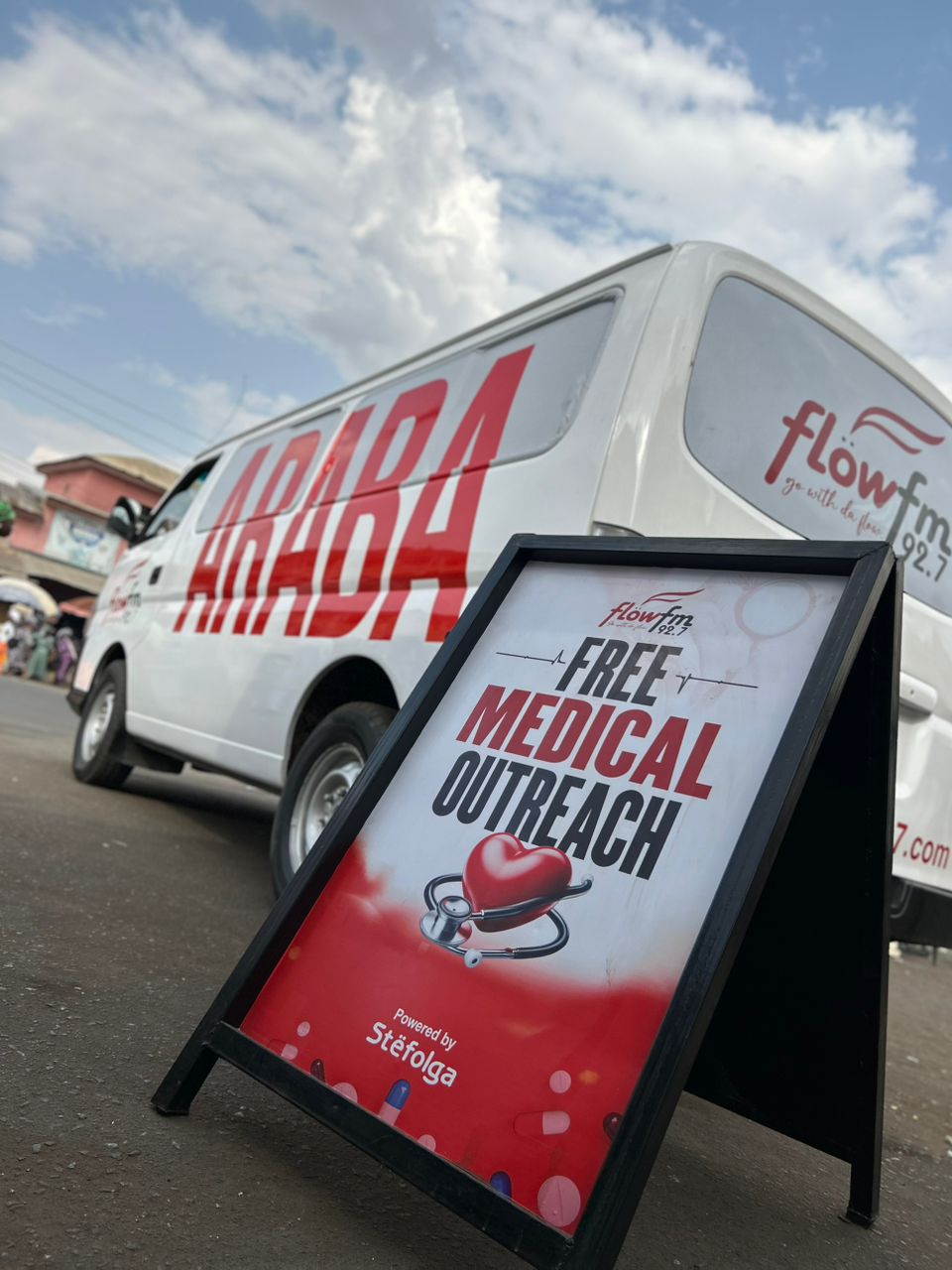
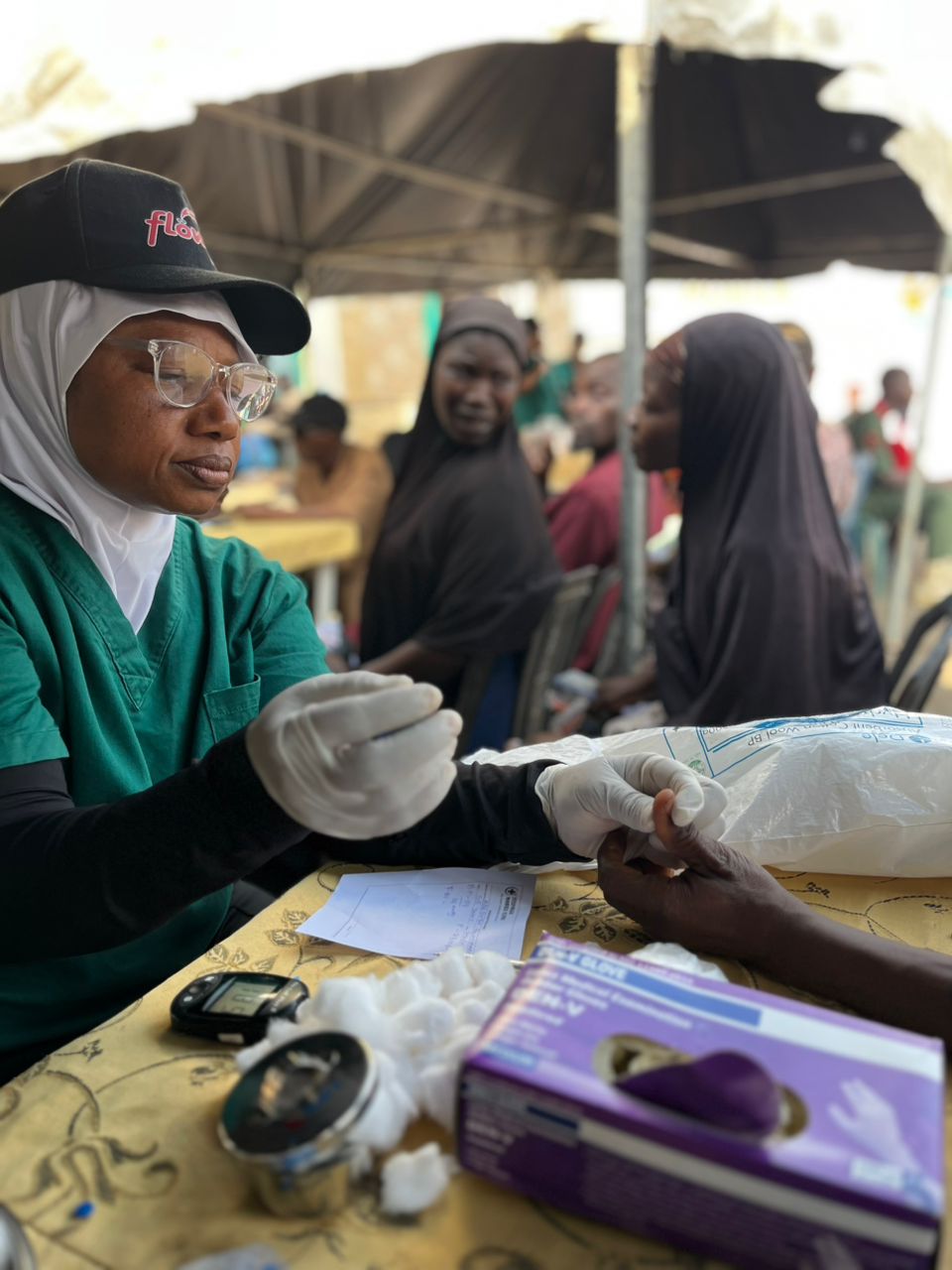
Last Saturday at Emir’s Gate, Oja Oba, the second edition of FlowFM’s free medical outreach was held. What took place was not merely a symbolic exercise but a carefully organised intervention.
The turnout was significant. Organisers had to suspend fresh registration at a point to ensure those already present received proper attention.
According to figures provided by sources within the station, about 150 people were treated during the maiden edition. At the second outreach, that number rose to over 400 beneficiaries.
Beyond the statistics, however, the structure of the intervention stands out.
Medication was dispensed directly on site. Beneficiaries did not leave with prescriptions alone. Many received up to two months’ supply of their required medication. Patients were also formally registered, with follow-up plans put in place to monitor their conditions and ensure continuity of care.
In practical terms, this was not designed as a one-off event. It was structured to create a care pathway.
Observers have begun to refer to this approach as the Araba touch.
Quiet Philanthropy, Measurable Results
Araba Femi Sanni, has earned a reputation for supporting initiatives without excessive publicity. The FlowFM outreach reflects a pattern of privately funded community interventions aimed at addressing immediate needs.
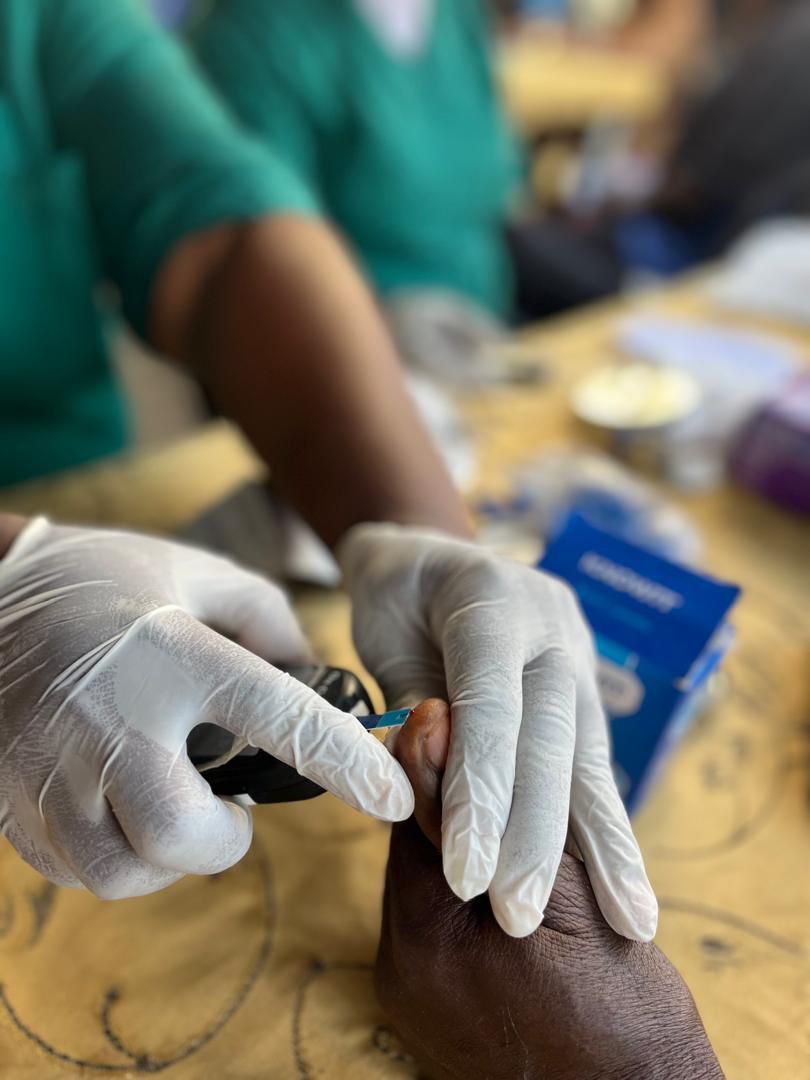
Community health workers often note that screening without treatment achieves limited results. Consultation without medication provides little relief. By combining medical checks, drug dispensation and structured follow-up registration, the outreach moved beyond surface engagement.
At the same time, it exists within a broader healthcare landscape in Kwara State that is undergoing reform.
The administration of Governor AbdulRahman AbdulRazaq has invested in upgrading facilities such as Sobi Specialist Hospital, General Hospital Omu-Aran and General Hospital Ilorin to teaching hospital status. Recruitment of medical personnel, improvements in welfare structures and facility upgrades are part of an ongoing institutional effort. Large-scale projects, including the Oluremi Tinubu Hospital, signal longer-term ambitions for advanced care delivery.
Yet public health systems evolve in phases. Infrastructure takes time to complete. Workforce expansion requires planning and funding cycles.
Private interventions like the FlowFM outreach operate in that interim space, responding to immediate needs while broader reforms continue to unfold.
Bridging Policy and People
What distinguishes the recent outreach is not only its scale but its method.
A media platform primarily known for broadcasting chose to mobilise its influence and resources toward healthcare access. Medical professionals were engaged. Supplies were secured. Registration systems were put in place. The outreach moved beyond awareness to action.
For many attendees, it was their first medical check-up in years. For others managing chronic conditions such as hypertension, the two-month medication supply provided a measure of stability.
Public health experts often emphasise continuity as the difference between temporary relief and meaningful intervention. The inclusion of follow-up planning suggests an understanding of that distinction.
Kwara’s progress will likely depend on that interplay. Government lays structural foundations. Private actors extend reach. Communities participate.
The hundreds who gathered at Emir’s Gate may not follow the intricacies of policy frameworks or budgetary allocations. What they experienced was more immediate: access to doctors, access to medication and a system that recorded their details for continued attention.
Impact, in this context, is not measured in rhetoric but in service delivered.
If turnout figures are any indication, public response has been strong. The second edition significantly exceeded the first in participation. Expectations for subsequent editions are already building.
In Kwara today, conversations about development increasingly include not only what government is doing, but what citizens are contributing.
And in recent weeks, that contribution has taken a visible form at Oja Oba.
Babajide Fadoju writes from GRA, Ikeja, Lagos
Related posts