


The Shepherd And The Wolf: Power Without The People
Posted on February 24, 2026
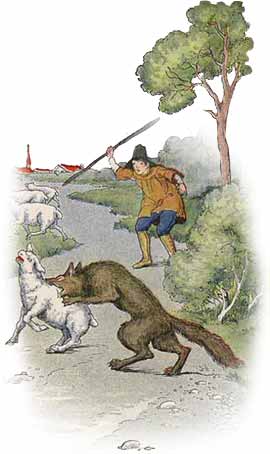
By the time the motorcades sweep past, sirens slicing through the humid African afternoon, the market woman has already counted her losses. The street hawker has already dodged the Police. The graduate has already refreshed the job portal for the hundredth time. The spectacle of power moves swiftly; the burden of survival lingers.
There is a dangerous rumour we must confront: that many of our leaders are not chosen by the will of the people, but curated by the very forces we once fought to escape. The colonial flags may have been lowered, but their shadows still stretch across our presidential palaces. Too often, the shepherd is introduced to us by the wolf.
Look closely. The castles have changed hands, but not habits. Our leaders are invited into the same marbled corridors as former masters, into boardrooms in distant capitals, into summits draped with flags and handshakes. Institutions like the African Union and Economic Community of West African States were born of noble dreams: unity, cooperation, collective strength. Yet for too many leaders, these forums have become comfortable lounges where the language of “partnership” conceals the arithmetic of plunder.
The tragedy is not merely corruption. It is complicity. It is the quiet understanding that as long as the flow of resources, oil, cobalt, gold, timber, remains uninterrupted, the hand that signs the contracts may do as it pleases at home. Elections become rituals. Democracy becomes decoration. The masses become statistics. Meanwhile, the streets thicken with frustration. When the state abandons its people, crime ceases to be deviance and becomes survival. When jobs vanish, dignity is pawned. When institutions collapse, cynicism blooms. And the same leaders who helped engineer this scarcity return to podiums to condemn the desperation they cultivated.
“Woe to the shepherd who feeds himself and not the flock. Should not the shepherd feed the flock?”
The ancient rebuke rings across centuries and across savannahs. Leadership is not a banquet; it is a burden. A nation cannot thrive when its rulers dine alone. Africa cannot win when the shepherd fattens while the sheep grow skeletal. Victory must be mutual or it is a mirage.
But here lies the cruel genius of our predicament: division. Religious fault lines. Tribal suspicions. Regional resentments. These were not accidents of history. They were tools, carefully sharpened by colonial administrators who understood that a divided people are easier to govern, cheaper to exploit, and quicker to blame one another. The blueprint was simple: fracture identity, inflame difference, and rule through rivalry.
Today, corrupt elites feed these old flames because division is insurance. If citizens are busy arguing over tribe, mosque, church, or language, they are less likely to unite around budgets, contracts, and missing billions. Ignorance becomes governance strategy. Distrust becomes national currency. Of what use is a brilliant head disconnected from the body? A leader may boast degrees from prestigious universities, speak fluent English or French in global forums, and charm investors in polished suits. But if that brilliance does not pulse through the veins of the people, if it does not translate into functioning schools, reliable electricity, accessible healthcare, then it is brilliance in exile.
Africa does not lack intellect. It lacks alignment. Our leaders’ interests must be inseparable from the interests of the masses. When policies are drafted, the first question must not be, “How will this be received in foreign capitals?” but “How will this be felt in local communities?” When contracts are signed, the priority must not be personal commission, but public transformation. Until then, our collective victory will remain suspended, like a grand promise hanging in midair, applauded in conferences yet absent in villages.
The future of Africa will not be secured in colonial boardrooms, nor in summits heavy with protocol. It will be secured the day the shepherd understands that his survival depends on the strength of the flock. The day leaders recognize that comfort purchased at the cost of their people is not stability, it is borrowed time. And when the wellness of the flock begins to count on the consideration table of the shepherd, even the most potent trick of the external manipulators will be rendered impotent.
– Ambassador Ezewele Cyril Abionanojie is the author of the book ‘The Enemy Called Corruption’ an award winner of Best Columnist of the year 2020, Giant in Security Support, Statesmanship Integrity & Productivity Award Among others. He is the President of Peace Ambassador Global.
Categorised as : Opinion
No Comments »
Related posts