Nigeria Gas Power Plants Shut Down Over $5bn Debt
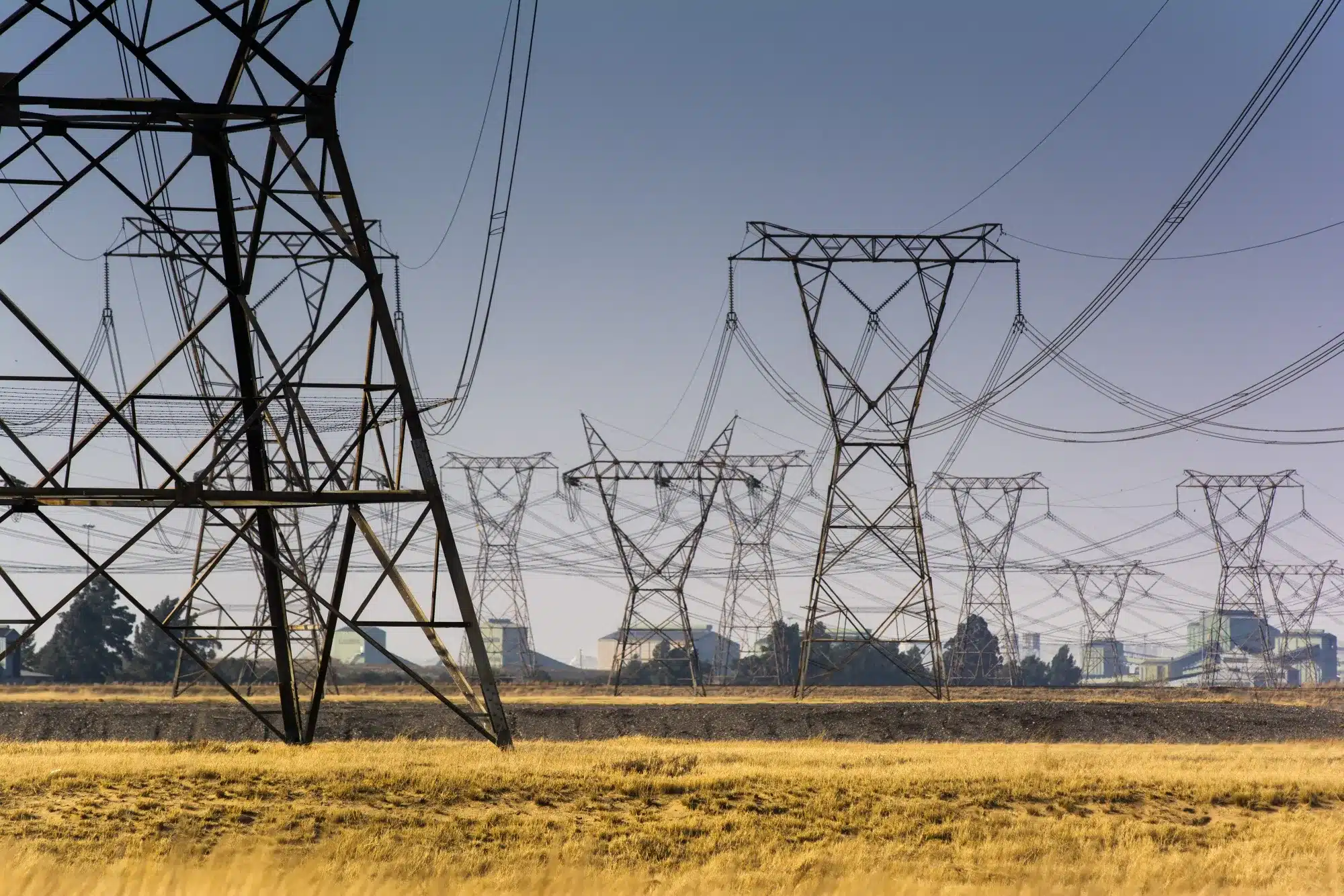
Nigeria’s power generation companies are shutting down operations as a ₦6.8 trillion ($5 billion) debt owed to the sector continues to mount, worsening payment shortfalls and limiting their ability to sustain electricity production.
The disclosure was made by the Chief Executive Officer of the Association of Power Generation Companies, Joy Ogaji, who said the liquidity crisis across the sector has left several firms unable to maintain equipment or meet operational costs.
During the interview, she explained that without steady cash flow, routine maintenance of power plants has become difficult, leaving critical infrastructure at risk of breakdown.
“We cannot maintain the machines. If there is no money they can’t be serviced,” she said.
Data from the industry association shows the debt, which has been accumulating since 2015, continues to grow by about ₦200 billion ($147.6 million) monthly.
The financial strain has begun to affect electricity output. Data from the Nigeria Independent System Operation (NISO) shows that 16 out of the country’s 33 power plants were not generating electricity as of Tuesday afternoon.
The remaining plants produced about 3,705 megawatts, a figure that remains below the country’s ever-growing electricity demand.
Ogaji said some operators have had to halt production, while others are relying on loans to remain operational.
She added that, in some cases, plant owners have provided personal guarantees to secure funding, while some companies are struggling to meet salary obligations.
Meanwhile, the impact of the debt burden has extended to gas suppliers and transport service providers.
According to Ogaji, power producers now owe gas suppliers and transport companies an amount equivalent to about 60% of what is owed to them.
This has created constraints in gas supply, which is critical to electricity generation, as gas-fired plants account for about 70% of Nigeria’s power output.
The situation has further complicated operations, with limited cash flow affecting the ability of generation companies to secure consistent fuel supply.
The current debt profile reflects ongoing challenges within Nigeria’s electricity market, particularly around revenue collection.
Power generation companies depend on payments from distribution companies, which collect revenue from electricity users. However, collection inefficiencies and remittance shortfalls have contributed to the buildup of unpaid obligations across the value chain.
Ogaji noted that the debt has accumulated over several years, covering obligations from 2015 to date.
“We’re looking at a debt from 2015 to 2026 that is still growing,” she said.
The federal government has announced plans to raise about ₦4 trillion from domestic capital markets to offset part of the debt owed to power companies.
However, implementation has been gradual, with only a portion of the target raised so far. The remaining amount is expected to be sourced through quarterly bond issuances.
Ogaji acknowledged the effort but raised concerns about the pace.
“We appreciate that effort, but we’re looking at a debt… that is still growing,” she said.
She added that stabilising the debt level would be important for improving conditions in the sector.
Nigeria’s electricity supply remains limited relative to demand, with generation capacity hovering around 4,000 megawatts.
More than half of the population is connected to the national grid, though supply remains inconsistent in many areas.
The shutdown of multiple power plants adds to existing supply constraints, as operators continue to manage financial and operational challenges within the sector.
Related posts