
The Iria Ceremony: Okrika’s Traditional Rite Of Passage Into Womanhood
Posted on July 24, 2026
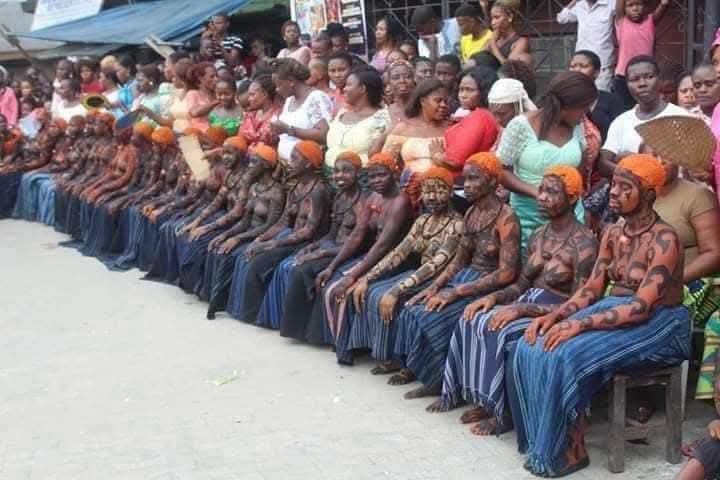
Did you know that the Okrika people of Rivers State have a centuries-old cultural tradition known as the Iria Ceremony? It is a rite of passage that marks the transition of young maidens into womanhood and remains one of the most celebrated cultural festivals in the Niger Delta.
Traditionally held during the last quarter of the year, the ceremony begins with selected maidens entering a fattening room, where they spend days or weeks receiving special care. During this period, they are pampered, well fed with nutritious local delicacies such as pounded yam mixed with pounded plantain and fresh fish, and taught the customs, values, songs, and responsibilities expected of women in Okrika society.
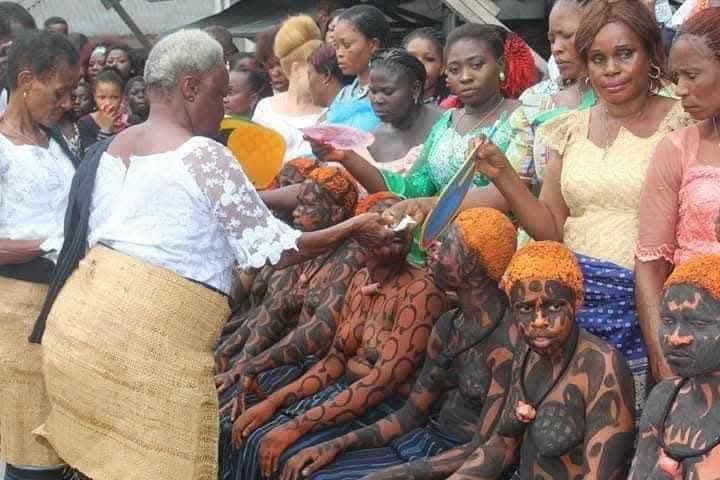
The fattening process reflects the traditional belief that a healthy, well nourished bride symbolizes beauty, fertility, prosperity, and readiness for marriage. By the end of their stay, the maidens emerge looking radiant, adorned with colourful body decorations and traditional attire.
An important aspect of the ceremony involves learning traditional songs, which, according to Okrika cultural beliefs, signify the maidens’ transition into adulthood and their release from spiritual influences associated with childhood.
Before the public celebration, the maidens take part in ceremonial activities by the riverside, where they sing the songs they learned during their seclusion. Cultural custodians, including the Osokolo (a respected male traditional figure), perform symbolic rites believed to offer spiritual protection and blessings.
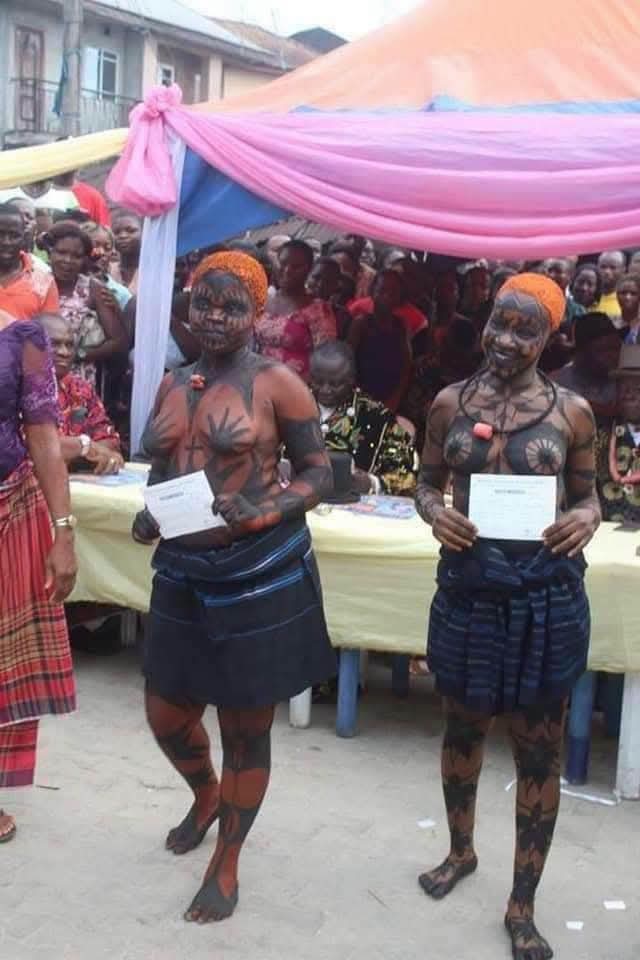
The highlight of the festival is the grand public procession. Dressed in elaborate traditional attire, beads, coral ornaments, and body decorations, the maidens dance through the community and market square to the admiration of spectators. Historically, some participants appeared with their upper bodies uncovered, reflecting traditional cultural values rather than indecency.
In the past, elderly women known as Ogboko-Eremini served as the traditional custodians and inspectors of the ceremony. They supervised the maidens throughout the initiation process and ensured they met the cultural requirements for participation. Traditionally, maidens who became pregnant before the ceremony were disqualified, bringing shame upon themselves and their families according to the customs of the time. These practices reflected the community’s emphasis on chastity before marriage, although many of these customs have evolved over time.
As the procession continues, family members, friends, and well wishers celebrate the maidens by spraying money and offering gifts. At the conclusion of the ceremony, the young women receive certificates recognizing their successful participation. Traditionally, the event also provided an opportunity for eligible suitors and families to begin marriage discussions.
The Iria Festival is believed to date back several centuries and has long served as a symbol of purity, maturity, dignity, and womanhood among the Okrika people. While the tradition was once widely observed across many Okrika communities, its practice has declined significantly in recent decades due to the influence of Christianity, Western education, modernization, and changing cultural values.
Today, only a few communities continue to celebrate the Iria Festival in its traditional form, while others have modified the ceremony to reflect contemporary religious and social beliefs. Despite these changes, the festival remains an important part of Okrika’s rich cultural heritage and continues to attract interest from cultural enthusiasts and tourists alike.
Related posts