


Obasanjo Hails Wale Tinubu, Others For Turning Govt Policy Into Meaningful Economic Activities
FUNSHO AROGUNDADE
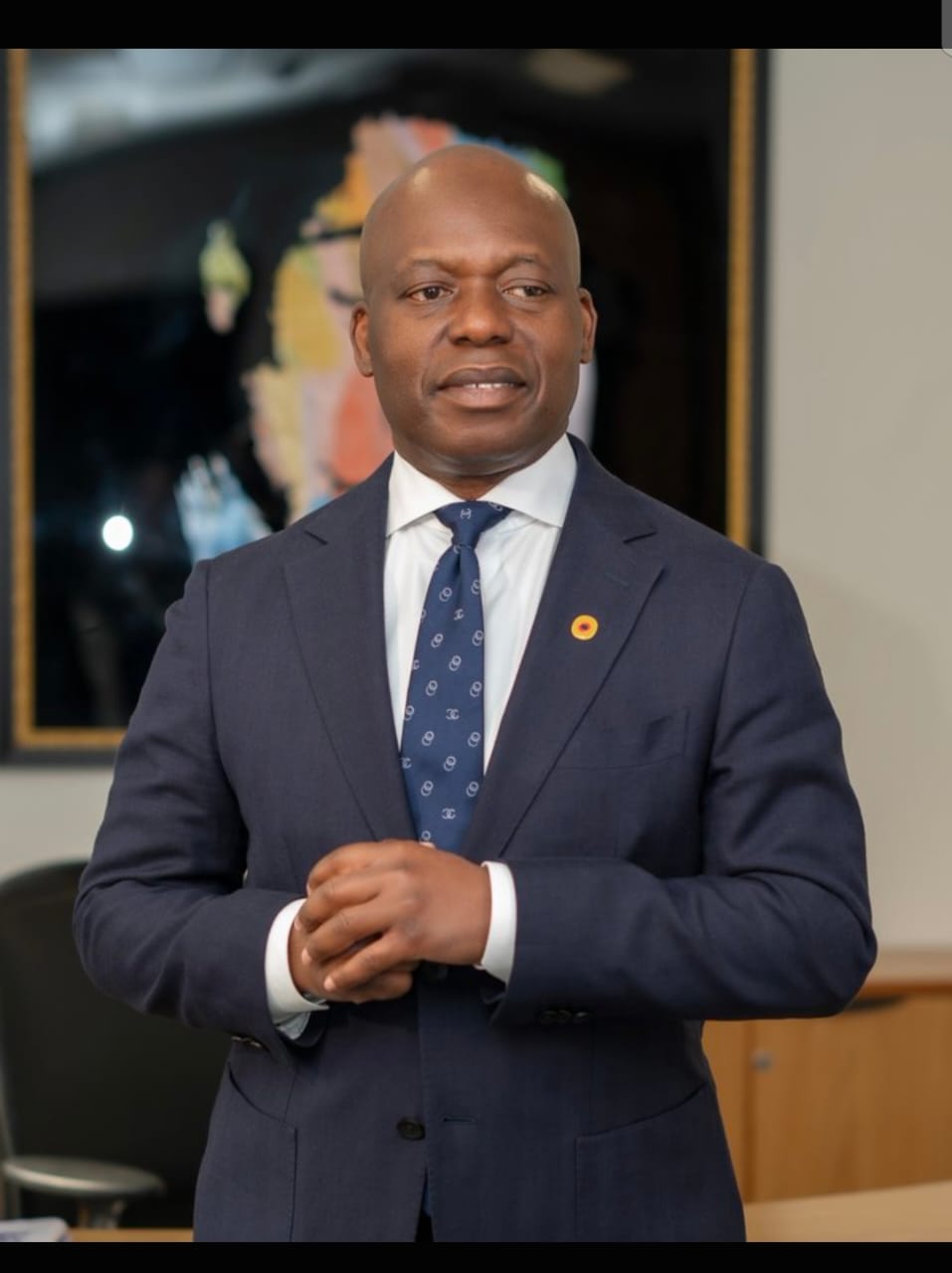
Former President Olusegun Obasanjo has offered a significant reflection on the relationship between public policy and private enterprise, identifying Oando Group Chief Executive, Jubril Adewale Tinubu, among the Nigerian entrepreneurs who helped turn government policy into economic activity.
Obasanjo spoke Wednesday, September 30 at the groundbreaking of Aliko Dangote’s proposed $16 billion East Africa Refinery in Lamu, Kenya, where he recounted how policy interventions during his administration helped stimulate investments in domestic industrial production.
The former President, while explaining Dangote’s emergence as a major industrialist, stressed that government policy could only achieve its intended objectives when entrepreneurs were prepared to respond with capital, enterprise and risk-taking.
His reference to Tinubu was particularly pointed.
“I made policies, but my policies would have failed if not for Dangote and others like Wale (Wale please stand up) and others that took advantage of them,” he commented.
The statement provides a useful lens through which to examine Nigeria’s economic development over the past two decades. Policy, in itself, does not create factories, expand energy infrastructure or build globally competitive companies. Its impact depends significantly on how effectively private capital responds to the incentives and opportunities created.
Tinubu’s trajectory in Nigeria’s energy industry illustrates that intersection.
Through Oando, he has been associated with the development of an integrated energy business spanning significant segments of the petroleum value chain.
Obasanjo’s intervention therefore goes beyond a personal commendation. It underscores a central lesson of economic policy: governments can establish frameworks, but entrepreneurs ultimately determine whether those frameworks produce productive assets, investment and jobs.
At a time when African economies are increasingly seeking to move from dependence on raw-material exports towards value addition and industrial capacity, that public-private relationship remains critical.
In Kenya, Obasanjo’s words placed Tinubu within that broader narrative, entrepreneurs whose willingness to invest helped give practical expression to policy ambitions.
Related posts