


Nigeria’s Economic Renewal: Prof. Taiwo Oyedele’s Commitment To Reform, Investment And Inclusive Growth
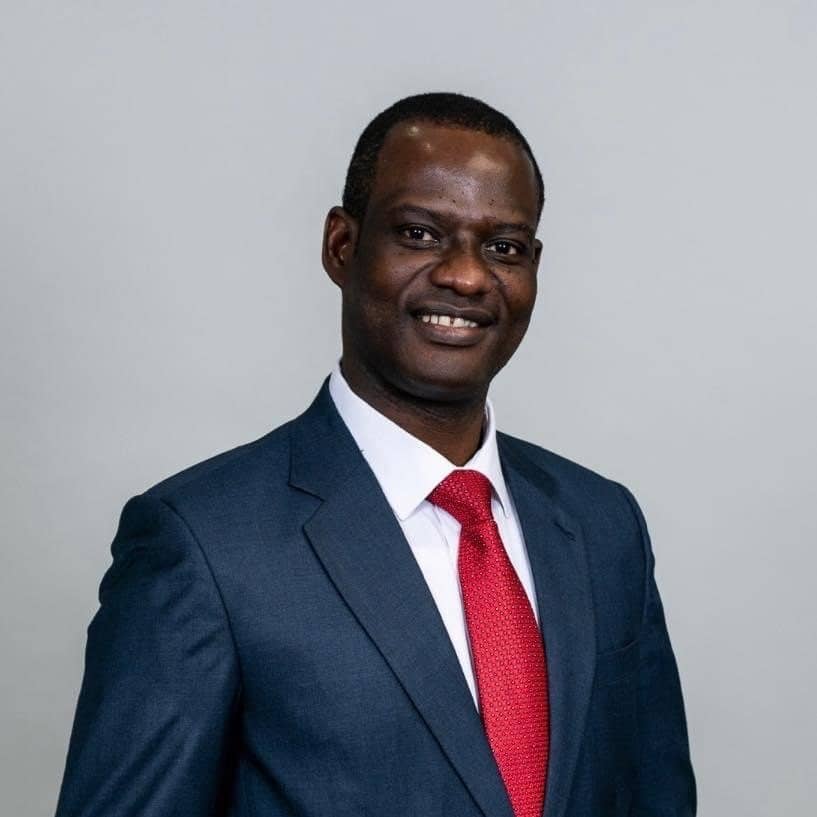
Nigeria’s economic transformation requires more than ambitious policies and bold declarations; it demands the courage to undertake difficult reforms, the discipline to sustain them, and the determination to ensure that their benefits reach ordinary citizens. This was the central message conveyed by Prof. Taiwo Oyedele during his engagement at Chatham House in London, where he outlined Nigeria’s economic reform journey, the progress recorded, and the opportunities ahead for building a more resilient, competitive and inclusive economy.
As Nigeria’s Minister of Finance, Prof. Oyedele occupies a strategic position in advancing the economic policy direction of President Bola Ahmed Tinubu’s administration. His emphasis on credible policies, fiscal discipline, investment promotion and an enabling business environment reflects the broader objectives of the Renewed Hope Agenda, which seeks to reposition Nigeria for sustainable growth, greater productivity and expanded economic opportunities. The task is not simply to stabilise the economy, but to establish the conditions under which the nation’s enormous human and material resources can translate into improved living standards for its people.
The economic indicators highlighted in his Chatham House presentation—including inflation declining to 14.63 per cent, external reserves reaching approximately US$55 billion, and economic growth projected at 4.3 per cent in 2026—provide an important perspective on the direction of Nigeria’s ongoing reforms. These developments point towards the administration’s pursuit of macroeconomic stability, stronger external buffers and renewed investor confidence. Nevertheless, Prof. Oyedele’s message makes an important distinction — stability is the foundation, not the destination. The ultimate significance of economic progress lies in its capacity to improve livelihoods, strengthen productive enterprises and expand opportunities for Nigerians across all sectors of society.
This people-centred perspective is particularly important at a time when households and businesses continue to navigate economic pressures. The real test of reform must be reflected in families’ ability to afford essential goods, businesses’ capacity to expand, young people’s access to decent employment, and citizens’ opportunities to obtain quality healthcare and education. These are not peripheral considerations; they are fundamental measures of meaningful economic development. By recognising the need to translate macroeconomic progress into tangible social benefits, Prof. Oyedele underscores the importance of ensuring that the pursuit of economic stability goes hand in hand with the expansion of prosperity and opportunity.
Equally significant is his emphasis on investment as a catalyst for national development. Capital, as his remarks make clear, responds less to political rhetoric than to the credibility, consistency and transparency of a country’s policies. Investors seek predictable rules, a fair operating environment and viable opportunities for sustainable returns. Nigeria must therefore continue to strengthen institutional credibility, improve the business climate and demonstrate that productive investments can thrive within a stable and transparent policy framework. The strategic objective is clear — to translate reform into investment, investment into jobs, and economic growth into rising incomes. This progression is essential to the Renewed Hope Agenda’s ambition of building a more productive, competitive and prosperous Nigerian economy.
Ultimately, Prof. Oyedele’s engagement at Chatham House reinforces a fundamental principle of economic governance: the success of reform must be judged not only by improvements in economic indicators but also by the opportunities and material benefits it creates for citizens. For President Tinubu’s Renewed Hope Agenda to achieve its full potential, the gains of economic adjustment must be consolidated and translated into stronger businesses, productive employment, improved public services and a better quality of life for Nigerians. Prof. Oyedele’s policy message places these outcomes firmly within the national economic conversation. The road to sustainable prosperity requires consistency, accountability, institutional credibility and a sustained commitment to inclusive growth. Ultimately, the promise of a renewed Nigerian economy will find its fullest expression when stability becomes shared prosperity and economic progress translates into visible improvements in the lives of the people.
With President Bola Ahmed Tinubu’s reforms, Nigeria’s rising to the chagrin of naysayers and misanthropes.
Omogbolahan L.A. BABAWALE
Public Affairs Analyst
Life Camp, Abuja
officialczar2@gmail.com
Related posts