
Pure Water Safety In Nigeria: Sachet Water Concerns
Posted on November 11, 2026
CYRIACUS IZUEKWE
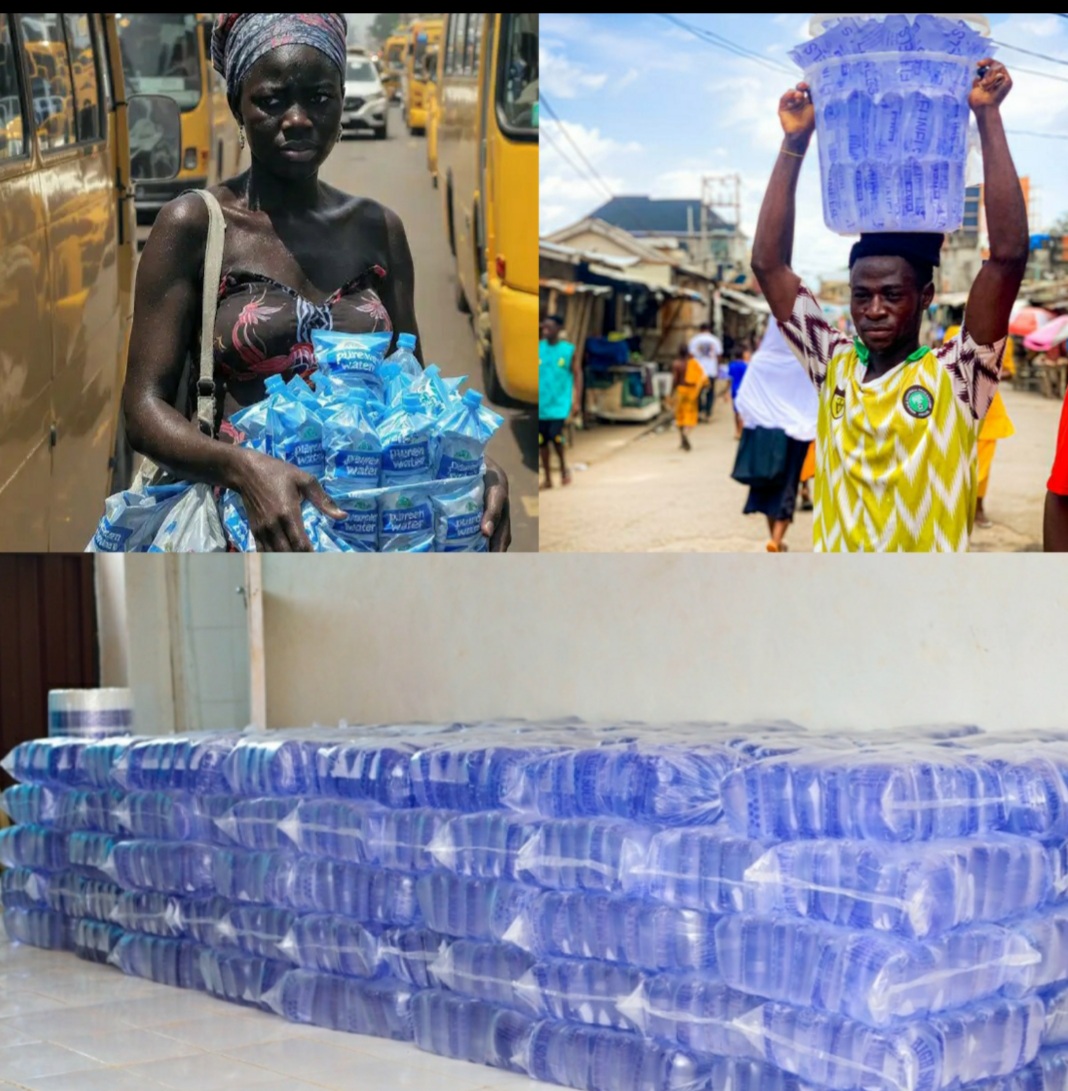
For millions of Nigerians, sachet water, popularly known as “pure water”, is not a matter of choice. It is the only water many people can afford.
But across Lagos and other major cities, a growing number of residents say they are worried about what is inside the sachet.
From unusual taste and smell to water that turns cloudy after a few hours in the sun, the complaints are becoming increasingly common in markets, motor parks and residential areas.
Rising Cost Of Production
Pure water producers say the business has become more difficult to sustain.
Producers who spoke in Lagos said the cost of packaging materials, treatment chemicals, fuel for generators, borehole maintenance and regulatory registration has increased sharply in the last two years.
“Previously, we could manage. Now, doing it properly requires a lot of money. Some people cut corners because they cannot meet the cost,” a small-scale producer in Agege said.
Experts say that when production costs rise, the temptation to reduce quality control also increases, particularly among small, unregistered producers operating without proper monitoring.
Poor Production Environment
Many sachet water factories operate in areas with poor drainage, open gutters and unclean surroundings, residents say.
Health experts note that the environment in which water is produced matters as much as the water itself. Contamination can occur during sourcing, treatment, packaging, storage or transportation if hygiene standards are not maintained.
In some markets, sachets are displayed under direct sunlight for hours, a practice experts say can affect both water quality and the packaging material.
Concerns Over Chemicals
Water treatment requires chemicals such as chlorine to eliminate harmful organisms. Health professionals say the main issue is dosage and control.
Too little may not kill harmful organisms. Too much, or improper handling, can leave chemical residue and affect taste and safety.
“The problem is not treatment itself. The problem is when treatment is carried out without proper testing, without trained staff, and without regular checks,” a Lagos-based public health practitioner said.
There is no evidence that all sachet water in Nigeria contains harmful levels of chemicals. The concern, experts say, relates to unregulated producers who operate without standard testing procedures.
Challenges With Regulation
The National Agency for Food and Drug Administration and Control (NAFDAC) is the agency responsible for regulating packaged water in Nigeria.
Critics, including consumer advocates and some producers, argue that enforcement has not kept pace with the rapid growth of the industry.
Thousands of small producers have entered the market, making it difficult for regulators to inspect every facility regularly, they say.
NAFDAC has in the past shut down unregistered factories and warned the public to buy only water with a NAFDAC number, batch number, production date and expiry date. The agency has also repeatedly advised consumers to check for proper sealing and labelling.
Consumer groups say more frequent inspections, a public list of approved producers, and stronger penalties for unregistered operators would help rebuild public trust.
Efforts to obtain an updated comment from NAFDAC on current enforcement were ongoing at the time of filing this report.
Reported Health Issues
Residents who spoke for this report mentioned stomach upset, diarrhoea and typhoid-like symptoms after drinking water they suspected was contaminated.
Doctors caution that such symptoms can arise from many sources, including food, poor sanitation and other water sources, not sachet water alone. They advise anyone with persistent symptoms to seek medical care promptly and avoid self-diagnosis.
“If you notice an unusual taste, smell or colour, or you feel unwell after drinking any packaged water, stop drinking it and report it to the seller and health authorities,” a doctor advised.
How Consumers Can Protect Themselves
Health experts advise consumers to:
1. Buy only sachet water with a NAFDAC number, production date, expiry date and factory address
2. Avoid sachets that are leaking, poorly sealed, or exposed to direct sunlight
3. Avoid water with unusual colour, smell or taste
4. Report suspected unregistered producers to NAFDAC or state health officials
5. Store water in a cool, clean place at home
What Needs To Change
Stakeholders say addressing the problem will require three measures: reducing the cost of proper production, strengthening visible enforcement, and improving public awareness.
Until then, many Nigerians say they will continue to buy sachet water, but with more fear than trust.
“We do not have a choice. This is what we can afford. The government should make it safe for us,” a trader at Oshodi said.
Related posts