

NFVCB, Industry Stakeholders Chart New Course For Nollywood’s Digital Future At 6th PAO Conference
FUNSHO AROGUNDADE
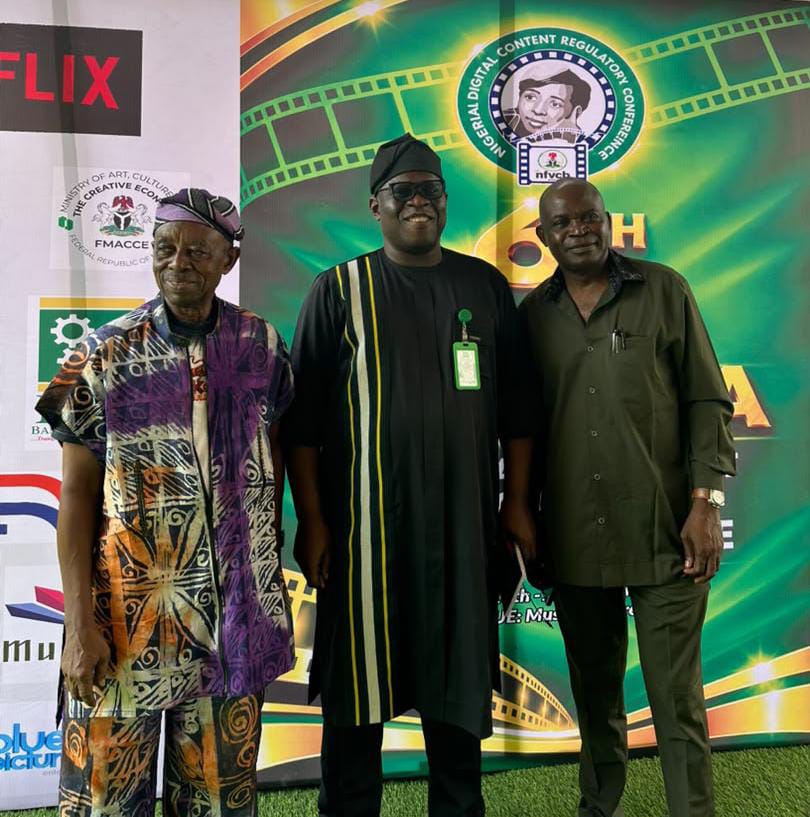
The National Film and Video Censors Board (NFVCB) has called for a more responsive regulatory framework, stronger intellectual property protection and increased investment in digital innovation to position Nigeria’s film industry for greater global competitiveness and sustainable economic growth.
The call was made at the sixth edition of the Peace Anyiam-Osigwe Nigerian Digital Content Regulatory Conference (PAO-NDCRC), held on November 18 and 19, 2026, at the Muson Centre, Lagos, with the theme: “Film and Content Production in the Digital Era: Balancing Regulation and Innovation.”
The conference brought together government representatives, regulators, filmmakers, producers, distributors, streaming platforms, technology experts, investors and other stakeholders to examine the opportunities and regulatory challenges confronting Nigeria’s rapidly evolving audiovisual industry.
In his welcome address, the Executive Director/Chief Executive Officer of the NFVCB, Dr Shaibu Husseini, stressed that regulation and innovation must work together to create an enabling environment for creativity, investment and responsible content distribution.
Dr Husseini noted that the rapid expansion of streaming platforms, social media, artificial intelligence and other digital technologies had fundamentally changed the production, distribution and consumption of audiovisual content, requiring regulators and industry practitioners to rethink traditional approaches.
He reaffirmed the Board’s commitment to modernising its regulatory processes, strengthening inter-agency collaboration, improving public enlightenment and promoting a sustainable screen economy.
The NFVCB boss also highlighted ongoing efforts to reposition the Board from the traditional perception of censorship towards a more classification-focused regulatory system that empowers audiences to make informed viewing choices while protecting creative freedom.
He disclosed that a technical review committee was examining the Board’s classification, exhibition and distribution guidelines to ensure their continued relevance to emerging industry realities.
He also highlighted discussions with Goethe University on possible collaboration to digitise and preserve the Board’s audiovisual classification archive, dating back to 1994.
Dr Husseini further underscored the importance of protecting intellectual property, addressing digital piracy and developing appropriate safeguards around the use of artificial intelligence, particularly in matters relating to authorship, consent, ownership and the rights of creative professionals.
The Honourable Minister of Arts, Culture, Tourism and the Creative Economy, Barr Hannatu Musa Musawa, represented by Special Adviser to the President on Arts and Culture in the Office of the Minister of Culture, Moriam Ajaga, underscored the importance of sustained government engagement and stakeholder collaboration in advancing Nigeria’s creative economy and strengthening the country’s film and audiovisual industry.
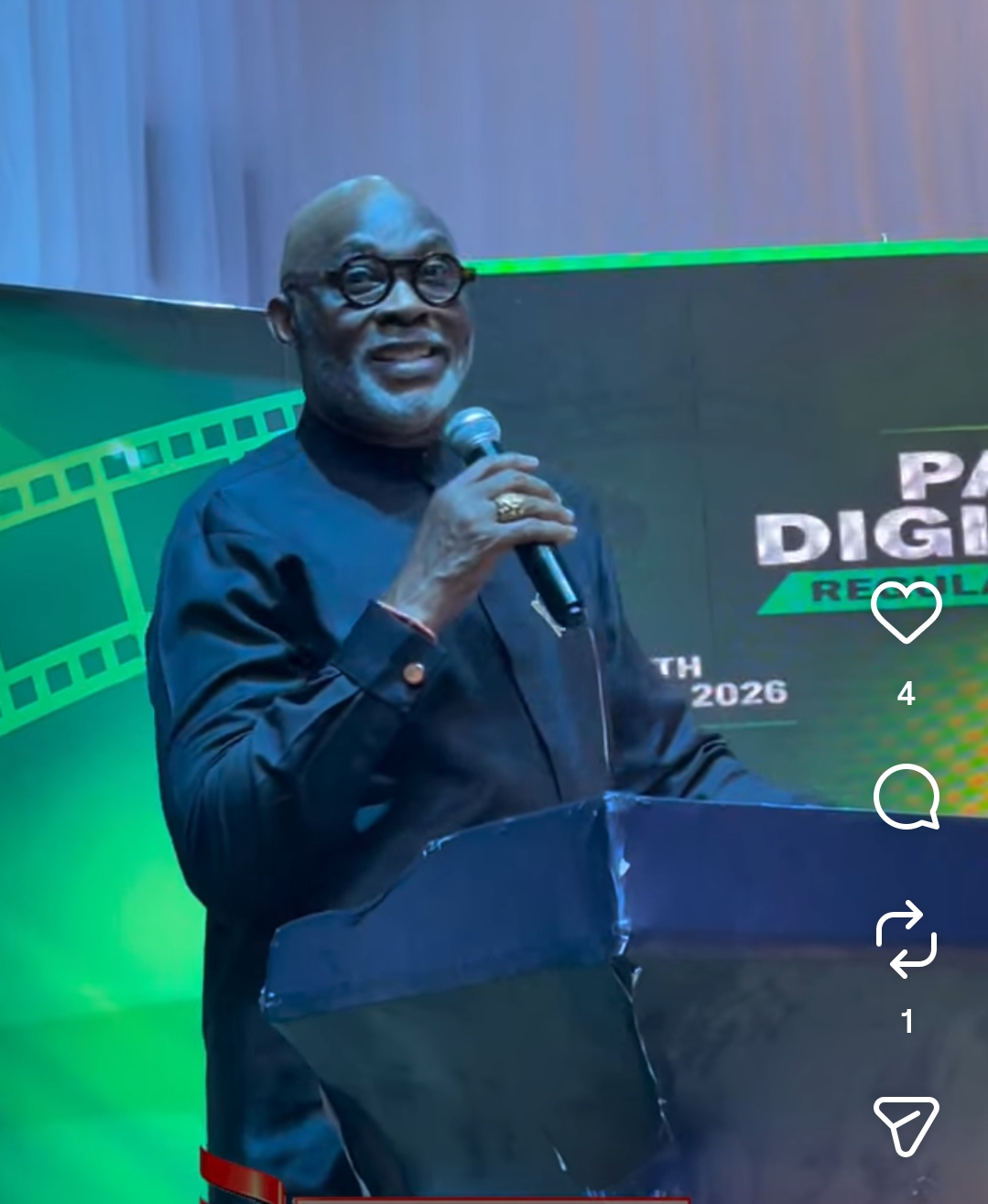
Delivering the keynote address, renowned actor and filmmaker, Mr Richard Mofe-Damijo (RMD), challenged the industry and regulatory institutions to develop policies and structures that allow creativity to thrive without compromising responsibility.
He maintained that the future of the creative industry would not be determined solely by its capacity to produce compelling content, but also by the environment created for creativity to flourish.
According to him, regulation must provide clarity, inspire confidence and encourage innovation rather than create unnecessary restrictions for practitioners.
RMD observed that the emergence of artificial intelligence had opened new possibilities for filmmaking, including improved production workflows, visual effects and reduced production costs. However, he warned that the technology also presented serious concerns around the unauthorised replication of actors’ faces and voices, intellectual property violations and the protection of creative ownership.
He called for stronger safeguards to protect performers, writers, directors and producers, stressing that technology should expand the possibilities of human creativity rather than diminish the value of human beings.
The keynote speaker also challenged Nollywood to look beyond production figures, box-office headlines and social media engagement, insisting that the industry must pay greater attention to the economics of content creation.
He raised critical questions about ownership of distribution rights, royalty tracking, licensing arrangements and the compensation of creative professionals, noting that the global popularity of Nigerian films must translate into sustainable economic returns for those who create them.
RMD further emphasised the need for filmmakers to develop stronger business literacy, particularly in contracts, intellectual property, licensing and commercial rights, describing creative works as valuable intellectual property assets.
Discussions at the conference reinforced the need for stronger collaboration between regulators, production companies, digital platforms, investors and other industry stakeholders.
During a session on production standards and best practices, award-winning filmmaker and founder/CEO of Zuri24 Media, Mr Femi Odugbemi, identified authenticity as a significant competitive advantage for Nigerian films in the global marketplace.
He stressed that while filmmaking involves make-believe, authenticity in storytelling remains essential to producing compelling and credible narratives.
He also identified story development and a clear understanding of target audiences as fundamental requirements for successful film production.
Similarly, a session on film festivals and international markets, facilitated by Ijeoma Onah, Film and TV Content Distributor and Creative Industry Executive, challenged Nigerian filmmakers to understand the marketplace before embarking on production.
She encouraged producers to engage market executives early and leverage international film festivals as platforms for global exposure, networking, partnerships and the exchange of ideas. She also urged the Board to support emerging filmmakers in taking their careers beyond the Nigerian market.
On digital monetisation, digital content monetisation expert Adetutu Laditan emphasised the need for content creators to maximise available digital platforms and explore revenue opportunities through advertising, branding, sponsorships and affiliate marketing.
She also highlighted the importance of developing content capable of sustaining audience loyalty beyond the lifespan of its creator.
The discussions on artificial intelligence acknowledged its dual potential as both an opportunity and a challenge. Participants urged filmmakers to deploy AI as an assistant and creative enhancement tool rather than surrendering the storytelling process entirely to technology.
At another session, the importance of insurance in film production was highlighted by Mr Sonny Owagboi, Executive Director of Rex Insurance, who represented the company’s Chief Executive Officer, Mrs Ebelechukwu Nwachukwu.
He urged production companies to embrace insurance as an essential component of professional film production, identifying risks associated with production equipment, lighting systems, drones, vehicles, personal accidents and workplace injuries.
He described insurance as a critical risk-management instrument that protects investments, supports business continuity and strengthens confidence in the creative economy.
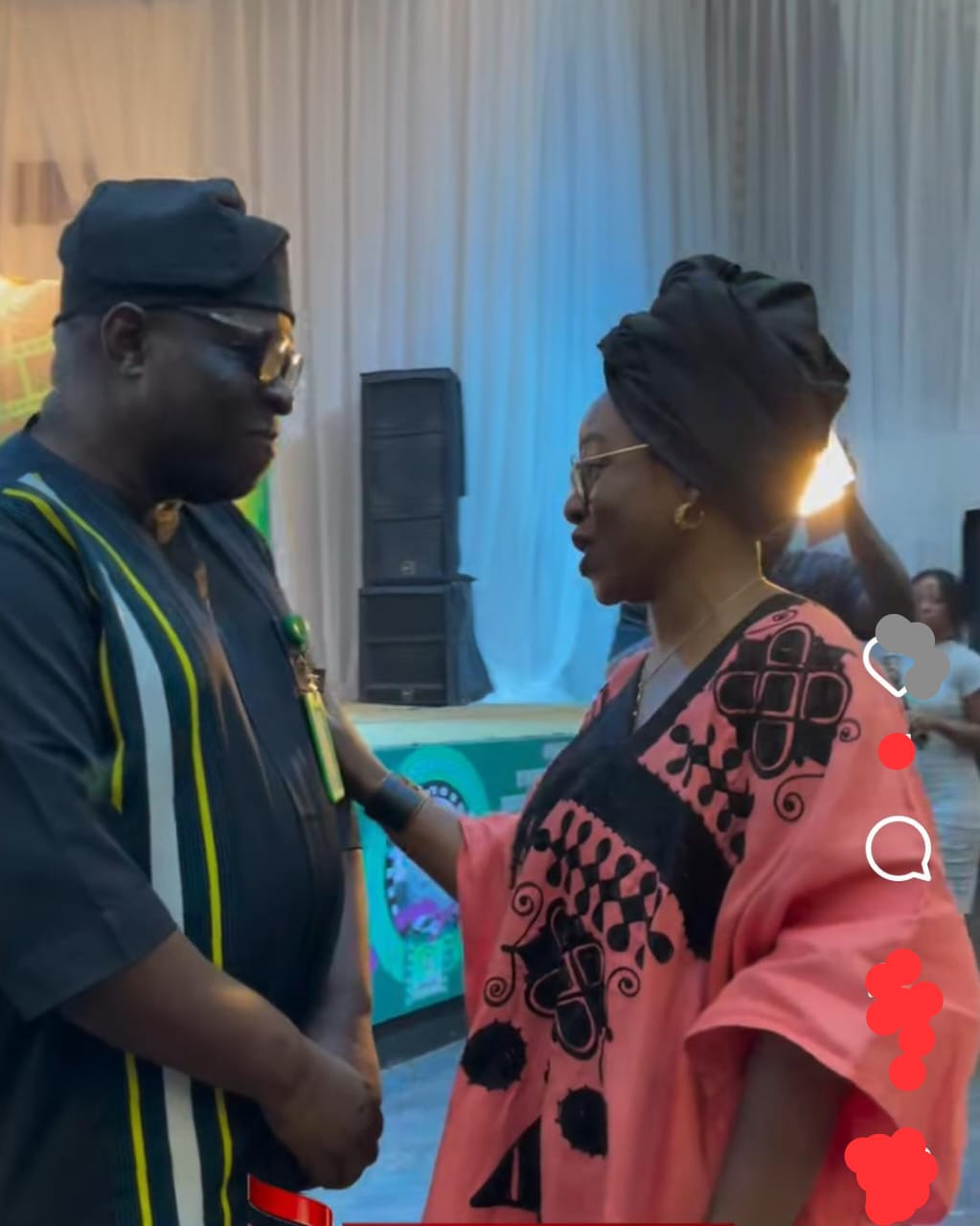
Goodwill messages from industry stakeholders also reinforced the importance of institutional support, collaboration and professional standards in the development of Nollywood.
Among those who addressed the gathering were filmmaker Mr Mahmood Ali-Balogun, Dr Evelyn Nwosu of the Nigerian Television Authority (NTA), Head of Public Policy for Sub-Saharan Africa for Netflix, Ziyanda Bulthelezi, and Mr Raymond Osigwe of the Africa Movie Academy Awards.
They commended the NFVCB for sustaining the conference and its efforts to strengthen the industry’s regulatory and professional structures.
Special recognition awards were later presented to deserving industry highflyers for their contributions towards the growth of Nigerian cinema.
The NFVCB reiterated that the future of Nollywood requires a collective commitment to responsible innovation, professional standards, stronger intellectual property protection, sustainable distribution structures and the development of audiences.
The Board maintained that its regulatory responsibility is not to stifle creativity but to ensure that the industry’s growth is orderly, responsible and beneficial to practitioners, investors and audiences.
The sixth PAO-NDCRC was organised in honour of the late Peace Anyiam-Osigwe, whose contributions to African cinema and commitment to building platforms for Nigerian filmmakers continue to inspire the industry.
The conference concluded with a renewed call for purposeful collaboration among government, regulators, creative professionals, investors and technology companies to build a Nigerian film industry capable of competing effectively in the global digital content economy.
Related posts