

Masks Just Like Seat Belts
ALINNOR ARINZE
A seat belt, also known as a safety belt, is a vehicle safety device designed to secure the driver or a passenger of a vehicle against harmful movement that may result during a collision or a sudden stop.
In Nigeria, the Federal Road Safety Corps (FRSC) was established in 1988, and saddled with the responsibility of policy making on safety on Nigerian roads. In 2003, the seat belt law was introduced, which makes it an offence for front seat occupants of vehicles not to wear seat belts. The seat belt law is exclusively enforced in Nigeria by the FRSC. In order to enforce traffic laws, FRSC officers would “go on patrols” by mounting temporary check points on the road to identify and stop offending vehicles.
From available statistics, twenty-five (5.0%) of observed 500 vehicles had no seat belt at all. Overall, compliance was 277/486 (57.0%). Use of seat belt was highest in the afternoon with 124/194 (64.4%), followed by 111/188 (59.0%) in the morning and 42/95 (44.2%) at night. Compliance was highest among car occupants [209/308 (67.9%)] and private vehicles, and lowest among commercial vehicle occupants. Compliance among female drivers was 77.1% compared with 51.4% among male drivers. Among drivers, the mean age of seat belt users was 38.4 (7.7) years, which was significantly younger than the 41.3 (8.7) years mean age of non-users. Similar figures were obtained among other vehicle occupants.
The way seat belts are used to reduce effects of accidents or sudden stops, face masks are one tool utilized for preventing the spread of disease. They may also be called dental, isolation, laser, medical, procedure, or surgical masks. Face masks are loose-fitting masks that cover the nose and mouth, and have ear loops or ties or bands at the back of the head. There are many different brands and they come in different colours.
Face masks had been observed to help limit the spread of germs. When someone talks, coughs, or sneezes they may release tiny drops into the air that can infect others. If someone is ill a face masks can reduce the number of germs that the wearer releases and can protect other people from becoming sick. A face mask also protects the wearer’s nose and mouth from splashes or sprays of body fluids.
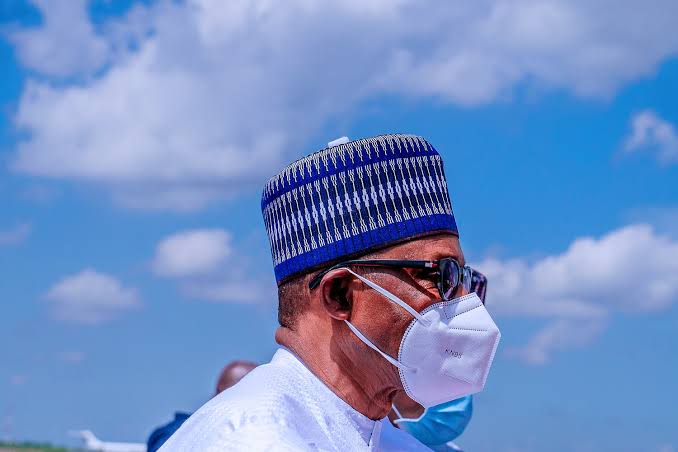
Before the Covid-19 pandemic, the use of face masks had only been noticeable amongst health practitioners, workers within health facilities and factories where offensive or toxic fumes are commonplace. But with the surge in the number of cases of Covid-19, the World Health Organisation and Task Forces at different levels advised citizens across the world on the importance of the use of face masks to help curb the spread of the dreaded virus.
With the enlightenment campaign embarked on by different agencies especially in Nigeria, it is expected that the citizens, for the sake of their lives and that of others, should embrace the use of face masks with both hands.
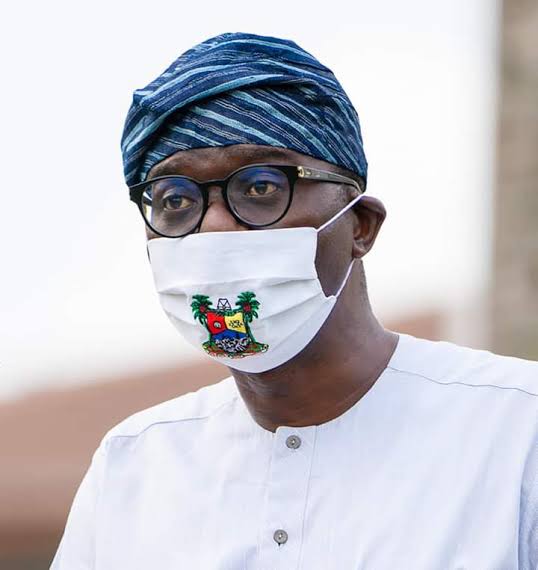
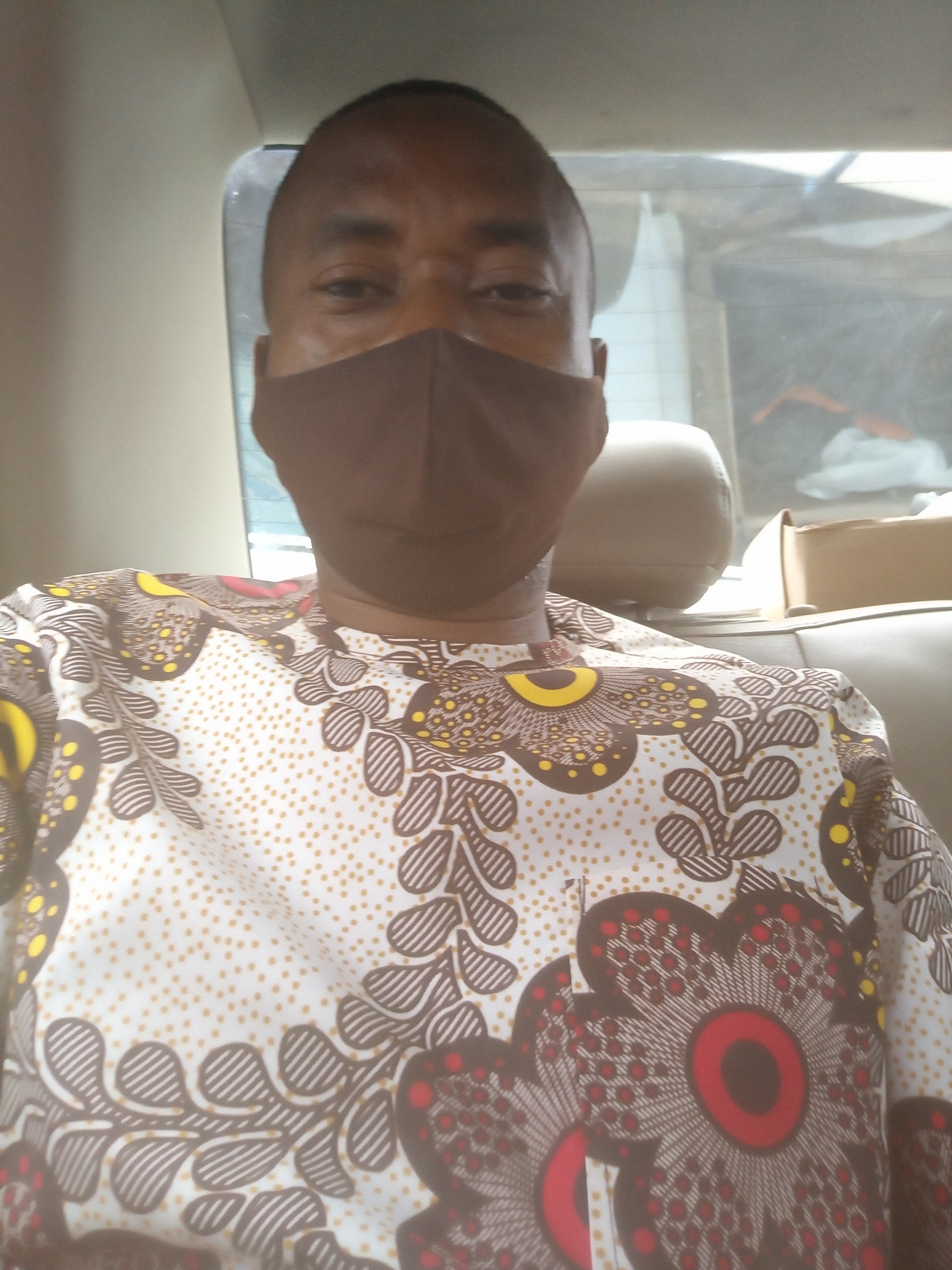
But like the case of the seat belts mentioned before, many do not consider it expedient to make use of the masks. Even as it has been turned into a fashion accessory, many are yet to come to terms with the fact that the use helps reduce the chances of getting the virus.
Government at different levels had been reeling out punitive measures aimed at invariably forcing the reluctant majority to stick to the use of face masks. But just like the average driver uses the seat belt only on sighting the Police or FRSC officials across Nigeria, a good number of the citizens to avoid punitive measures have turned the face masks to jaw masks.
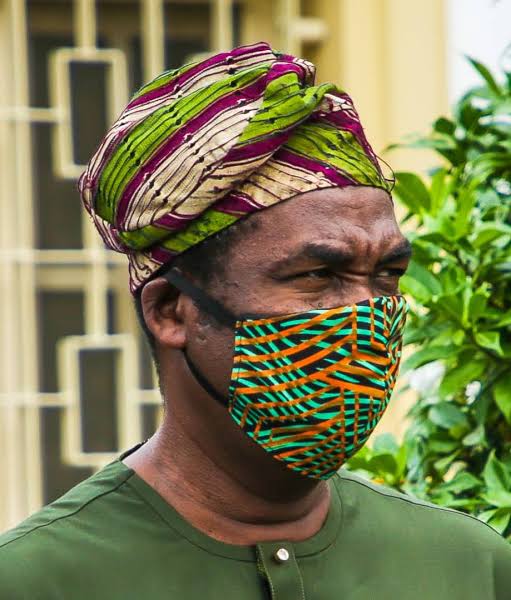
The masks are now commonly worn on the jaws and not to cover the mouth and nose, which they were meant to protect, but for the sake of avoiding penalties. We are expected to consider wearing a face mask when sick with a cough or sneezing illness (with or without fever) and expect to be around other people. The face mask will help protect them from catching the illness; it protects us and our community by providing additional physical barrier to Covid-19.
It is time for us all to help compliment the efforts of Government at different levels in the bid to curb the spread of Covid-19. As restriction on worship centres, schools and sectors are gradually being lifted, Government agencies should as well move a step further in the enforcement by arresting citizens who have the masks on but on their jaws as they are not different from those not wearing the masks at all in public places.
– Alinnor Arinze is a Media Consultant and writes from Lagos
Related posts