

African Development Bank Approves New Programme To Help African Countries Turn Energy Promises Into Power
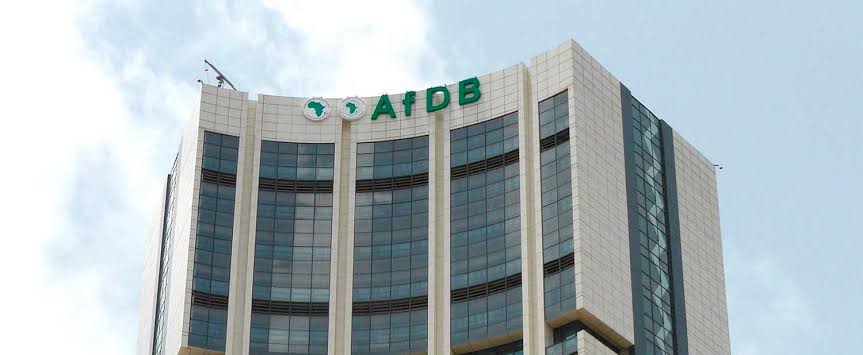
The Board of Directors of the African Development Bank (AfDB) has approved a new USD 3.9 million, two-year technical assistance project to support African countries in the implementation of their National Energy Compacts into action under Mission 300, the AfDB–World Bank initiative to connect 300 million Africans to electricity by 2030.
Energy Compacts are national plans in which governments set out how they will expand electricity access, strengthen their power sectors, and attract investment. Over the past year, dozens of African countries have launched these compacts, backed by strong political commitments and pledges from development partners.
The new project, known as AESTAP Mission 300 Phase II, will provide direct technical support to 13 Mission 300 countries over the next 24 months, enabling them to move from documented energy plans to actual electricity connections for homes, schools, hospitals, and businesses. The benefiting countries are Chad, Gabon, Tanzania, Mauritania, DRC, Kenya, Nigeria, Madagascar, Ethiopia, Malawi, Lesotho, Namibia, and Uganda.
In practical terms, AESTAP Mission 300 Phase II will:
- Help governments improve electricity regulations, planning, and tariffs so investments can move forward.
- Strengthen utilities so they can deliver more reliable power and reduce losses.
- Support better data, research, and learning across countries through tools like the Electricity Regulatory Index and regional energy forums.
- Place expert advisers inside national Compact Delivery and Monitoring Units to help governments coordinate reforms and track progress.
Wale Shonibare, Director of Energy Financial Solutions, Policy and Regulation at the AfDB, said, “Countries have made bold commitments through their energy compacts. Now, through AESTAP Mission 300 Phase II, we are helping them implement those commitments so that more households, entrepreneurs, and communities actually get electricity.”
The new project follows the approval of AESTAP Mission 300 Phase I in December 2025, which provided about USD 1 million to help countries set up and run their Compact Delivery and Monitoring Units (CDMUs). These units sit inside governments and are responsible for coordinating energy reforms across ministries and tracking progress.
Phase I focused on creating and strengthening these delivery teams – training staff, setting up monitoring tools, and helping countries plan their next steps. Phase II will build on this by providing the technical support needed to implement planned reforms. The project will be implemented in coordination with other Mission 300 partners, including the World Bank, governments, and development organizations, to ensure a coordinated effort.
Related posts