Beyond Protocol: The Tuggar Effect on Nigeria’s Global Standing
BY ADEBAYO ADEOYE
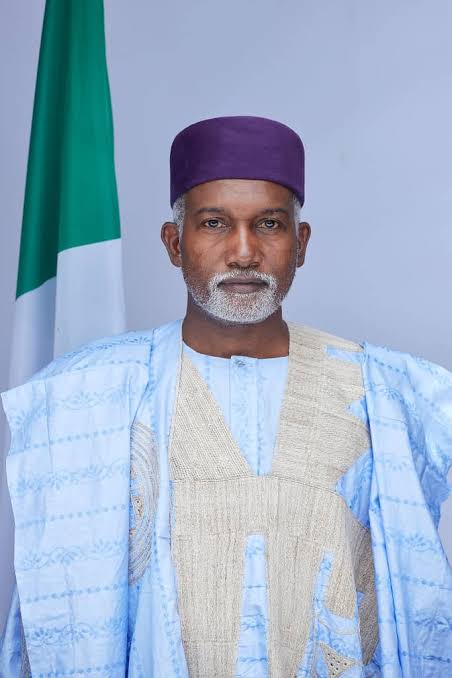
Less than three years after stepping into office as Nigeria’s Minister of Foreign Affairs, Yusuf Maitama Tuggar has steadily carved a distinct imprint on the nation’s diplomatic landscape.
In a world increasingly defined by shifting alliances, economic realignments and delicate geopolitical balances, he has proven himself, beyond rhetoric, to be a round peg in a round hole.
From the very beginning, Ambassador Tuggar approached the ministry not merely as an administrative responsibility, but as a strategic command centre for Nigeria’s global engagement.
With an intellect sharpened by experience and a temperament grounded in composure, he has brought clarity and coherence to Nigeria’s foreign policy direction. His style is not loud, yet it resonates. It is measured, yet firm. It is thoughtful, yet decisive.
In multilateral corridors and bilateral negotiations alike, Tuggar has showcased the fine balance between diplomacy and national interest. He speaks with precision, listens with intent, and negotiates with foresight. Under his watch, Nigeria’s voice has not only been heard — it has been respected. From strengthening regional partnerships within Africa to redefining economic diplomacy as a core pillar of engagement, he has demonstrated that foreign policy is not an abstract exercise; it is a tool for national development.
Economic diplomacy, in particular, has gained renewed momentum. Tuggar has consistently advanced conversations that align Nigeria’s external relations with internal growth objectives — trade expansion, investment attraction, diaspora collaboration and strategic partnerships. His understanding of global power dynamics has allowed Nigeria to navigate complex international waters without losing sight of sovereign priorities.
Beyond policy frameworks and diplomatic communiqués, what distinguishes Ambassador Tuggar is his grasp of nuance. He understands that diplomacy in the 21st century demands adaptability, cultural intelligence and strategic patience. In moments of global uncertainty, his calm articulation of Nigeria’s position has reinforced confidence both at home and abroad.
Ambassador Tuggar stands as more than a minister occupying an office. He represents a refined blend of intellect and pragmatism — a diplomat who truly knows his onions and continues to position Nigeria not merely as a participant in global affairs, but as a consequential voice shaping them.
His diplomatic philosophy reflects both scholarship and experience. Soft-spoken but firm, analytical yet accessible, he understands that modern diplomacy demands more than ceremonial presence. It requires strategic thinking, cultural intelligence and the ability to translate global conversations into domestic gains. In high-level meetings and multilateral forums, he has projected Nigeria not as a peripheral player, but as a nation with agency, voice and influence.
Under his stewardship, Nigeria’s foreign policy architecture has taken on sharper definition. Economic diplomacy has moved from being a slogan to becoming a structured pursuit. Trade partnerships, investment dialogues and diaspora engagement have gained renewed emphasis, reflecting his belief that diplomacy must ultimately serve the economic aspirations of the Nigerian people. For Tuggar, embassies are not mere outposts; they are gateways for opportunity.
Regionally, his role in strengthening West African cooperation has been marked by balance and foresight. In moments of political strain across the sub-region, Nigeria’s responses have carried both firmness and restraint — a testament to his appreciation of diplomacy as a stabilizing force. Globally, he has continued to articulate Nigeria’s positions on security, development, climate and economic equity with clarity and conviction.
What distinguishes Ambassador Tuggar most, perhaps, is his grasp of nuance. He listens before he speaks. He studies before he acts. He recognises that diplomacy is often about timing as much as it is about language. This deliberate approach has earned him respect among peers and renewed confidence within Nigeria’s diplomatic corps.
Two years on, his tenure reflects a steady recalibration of Nigeria’s external engagements — less reactive, more strategic; less performative, more purposeful. Ambassador Yusuf Maitama Tuggar has not merely occupied the office of foreign minister; he has grown into it, shaping it with intellect, composure and a forward-looking vision that continues to position Nigeria as a consequential voice in an evolving global order.
Related posts