


Credible Elections: Nigeria’s Path To Sustainable Democracy
EMMANUEL PETER ADAYEHI
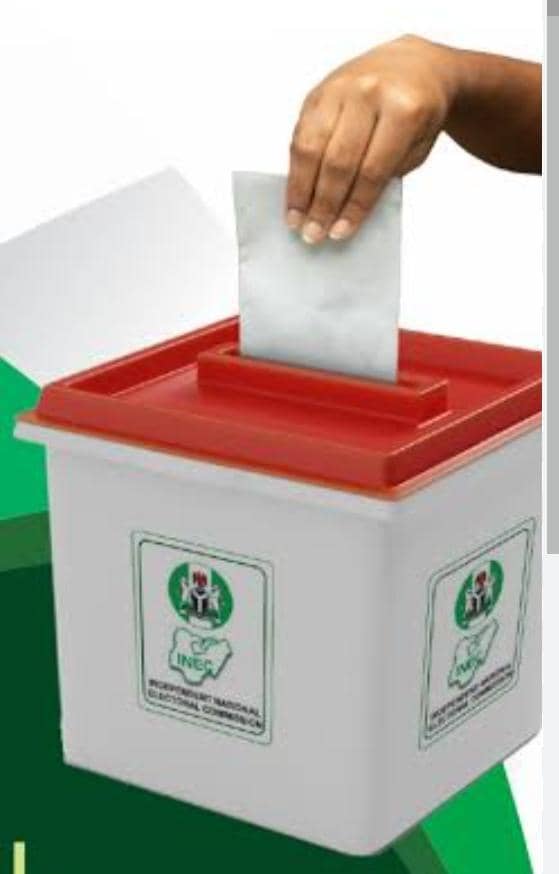
As Nigeria approaches its 2027 elections, the urgency of conducting free, fair, transparent, and credible electoral processes cannot be overstated. Concerns that if Nigeria fails to uphold these democratic principles, the United Nations may intervene to oversee elections by 2032, significantly heighten the stakes involved in maintaining the integrity of Nigeria’s democracy.
While Emmanuel Peter Adayehi argues that the current administration, led by President Bola Ahmed Tinubu of the All Progressive Congress (APC), poses a substantial threat to Nigeria’s democratic fabric, it is essential to recognize some achievements under this administration. For instance, initiatives aimed at improving infrastructure, bolstering economic growth, and addressing security challenges have characterized the Tinubu governance. According to the National Bureau of Statistics, Nigeria’s GDP growth was estimated at approximately 3.1% in Q4 2022, indicating potential economic recovery amidst various challenges (National Bureau of Statistics, 2023).
Key Considerations:
1. Call for Legislative Responsibility:
– Adayehi emphasizes that members of the National Assembly, as elected representatives, bear the critical responsibility for upholding democratic integrity. Surveys from the Nigeria Public Opinion Monitor indicate that 68% of citizens expect their legislators to prioritize electoral reforms, including transparency measures and efficient voting processes (Nigeria Public Opinion Monitor, 2023). Diverse viewpoints from political analysts, such as Dr. Mary Ogunleye, support this claim, highlighting the essential role of the legislature in ensuring electoral accountability.
2. Technological Considerations:
– Advocating for the electronic transmission of electoral results, Adayehi aligns with global best practices established in countries like Ghana and Kenya, which have successfully implemented similar technologies. A 2022 survey conducted by the Center for Democracy and Development found that 75% of Nigerians support the adoption of technology in elections, believing it could significantly reduce electoral fraud (Center for Democracy and Development, 2022). Experts like Professor James Okeke have emphasized that technological innovations can enhance transparency and public trust in the electoral process.
3. Public Trust in Elections:
– Building public trust in the electoral process is paramount. Political analysts, including Dr. Amina Ibrahim from the University of Lagos, emphasize that non-partisan supervision is vital for fostering electoral integrity. A 2023 poll indicated that 60% of Nigerians expressed concerns about electoral fraud, underscoring the urgent need for unbiased oversight from independent bodies to restore confidence among voters (Ibrahim, 2023). Civil society organizations, such as Transparency International, have echoed these sentiments, advocating for reforms that enhance electoral transparency.
4. Consequences of Electoral Integrity:
– Adayehi warns that if the APC-led administration fails to establish legitimate electoral laws and practices, they risk disqualifying themselves from overseeing future elections. Historical examples, such as the unrest during the 2011 and 2019 elections, underline how perceived electoral manipulation can lead to widespread protests and international scrutiny (International Crisis Group, 2019). Former electoral commissioners like Professor Attahiru Jega have noted that maintaining electoral integrity is essential to prevent civil unrest and maintain public peace.
5. International Oversight:
– The potential for UN intervention serves as a stark reminder of Nigeria’s precarious political landscape. Civil society organizations, including the Election Monitoring Group, have raised concerns that without prompt electoral reforms, Nigeria’s autonomy could be compromised, potentially leading to a mandate for international oversight. This view resonates with citizens, as recent surveys indicate that 54% prefer international intervention to ensure credible elections (Election Monitoring Group, 2023). Engaging perspectives from international relations experts can provide further insights into the implications of external oversight for Nigeria’s political future.
Endnotes:
Emmanuel Peter Adayehi’s piece serves as an urgent call for Nigerians to prioritize credible elections in 2027 through collaborative engagement between citizens and elected officials. Acknowledging both the challenges and achievements of the current administration is crucial for fostering a balanced discourse. The collective responsibility to safeguard democratic principles while averting a return to military governance remains paramount. The urgency for reform is clear; failing to act could jeopardize Nigeria’s sovereignty and adherence to the democratic tenets outlined in the United Nations Charter.
Charter Reference:
The focus on electoral integrity reflects the principles established in the United Nations Charter, emphasizing the right to self-determination and democratic governance. Any failure to uphold these principles could lead to international intervention, fundamentally altering Nigeria’s path forward.
Related posts