
From Bicycles To Bulletproof Convoys: How Africa’s Leadership Lost Its Moral Compass
There was a time when African leadership looked poor by design and rich only in purpose. The men and women who fought for independence did not enter politics to become wealthy; they entered it knowing it might cost them their freedom, their comfort, and often their lives. They lived simply because their mission was not personal success but collective liberation.
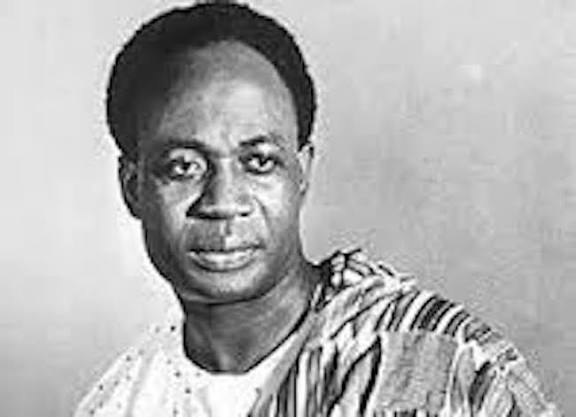
Kwame Nkrumah of Ghana stands as one of the clearest symbols of that era. A relentless advocate of African unity and a fierce opponent of colonial domination, Nkrumah survived multiple assassination attempts because his vision threatened powerful interests at home and abroad. Yet for all the power he wielded, his personal life was strikingly modest. In the early days of his leadership, Nkrumah reportedly moved around on a bicycle. He had to be persuaded, on security grounds, not vanity, to abandon it for a simple Volkswagen Beetle. When he was overthrown in 1966, he left behind no foreign mansions, no secret billions, no dynasty of children enriched by state power. He lived for Africa, not off Africa.
Nkrumah was not alone. Julius Nyerere of Tanzania, the teacher-president, lived in a modest house and openly rejected excessive salaries and privileges. Thomas Sankara of Burkina Faso famously sold off government luxury cars, replacing them with basic vehicles, cut ministers’ wages, and banned lavish displays by officials. He rode a motorcycle, wore simple military fatigues, and insisted that public servants live like the people they served. Even leaders like Samora Machel and Patrice Lumumba, though differing in ideology and context, shared a common thread: politics was sacrifice, not a shortcut to wealth.
In today’s leadership, across the continent, we see leaders who rule over crushing poverty while living in obscene opulence. Presidential palaces glitter while public hospitals lack medicine. Children learn under trees while convoys of bulletproof SUVs roar past. In countries like Equatorial Guinea, decades-long rule has coincided with ruling families accumulating extraordinary personal wealth amid widespread deprivation. Elsewhere, leaders and their inner circles are routinely looting public funds, stashing money abroad, and buying luxury properties in the very countries that once colonized their people. The hypocrisy is staggering. These leaders wrap themselves in the language of sovereignty and patriotism while quietly serving as puppets to foreign powers.
They sign exploitative resource deals, tolerate military bases, accept bad debts, and mortgage their nations’ futures in exchange for international protection, friendly silence, and a guarantee of personal safety once their time in office ends. Anti-colonial rhetoric is deployed for domestic applause, while obedience is practiced behind closed doors. To maintain their grip on power, elections are manipulated, constitutions rewritten, critics jailed or exiled, and state institutions hollowed out. Corruption is no longer a side effect of bad governance; it is the system itself.
Early independence leaders saw power as a burden. Many of today’s rulers see it as an inheritance or a business investment. Where Nkrumah dreamed of a united, self-reliant Africa, too many current leaders dream of offshore accounts, foreign passports, stealing of public properties, and retirement villas on distant shores.
Africa’s tragedy is not a lack of resources or talent. It is the betrayal of leadership ideals that once defined the continent’s greatest moments, which, as a result, paved way to the quiet death of noble leadership.
Leadership is no longer seen as a calling to serve the people; it has drifted into a pursuit of profit and plunder. Once, it was genuine and selfless dedication to the welfare of the people that inspired trust and drew public support. Today, however, money has replaced that devotion as the strongest force of attraction. Until leadership again becomes an act of service rather than self-enrichment, the distance between the ruler and the ruled will continue to grow, measured not just in wealth, but in trust, dignity, and hope.
– Ambassador Ezewele Cyril Abionanojie is the author of the book ‘The Enemy Called Corruption’ an award winner of Best Columnist of the year 2020, Giant in Security Support, Statesmanship Integrity & Productivity Award Among others. He is the President of Peace Ambassador Global.
Categorised as : Opinion
No Comments »
Related posts