

How Late Filing, Unpaid Fee Doomed Nigeria’s Protest Against DR Congo
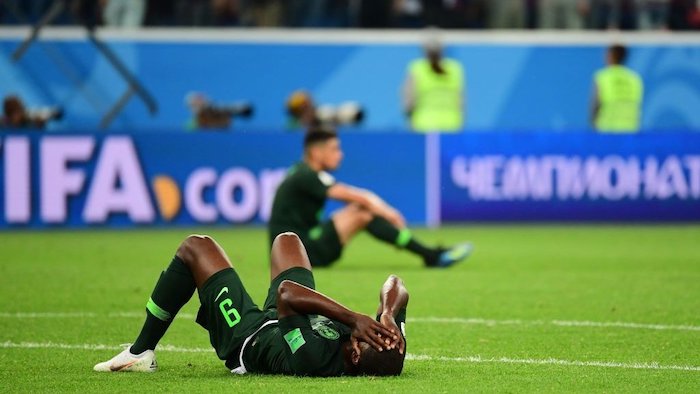
Nigeria’s hopes of returning to the FIFA World Cup have finally collapsed after it emerged that the country’s protest against the eligibility of some players used by the Democratic Republic of Congo in last year’s African play-off was dismissed on procedural grounds.
According to an exclusive report by SportVillageSquare.com, the protest followed Nigeria’s defeat to the DR Congo national football team in the decisive African play-off match for the 2026 FIFA World Cup, played on November 16, 2025, at the Crown Prince Moulay El Hassan Stadium in Rabat, Morocco.
The match ended 1–1 after regulation and extra time before the Congolese side prevailed in a sudden-death penalty shootout.
In the weeks after the match, the Nigeria Football Federation (NFF) raised concerns about the eligibility of several Congolese players, alleging irregularities in the issuance of passports that enabled them to feature in the encounter.
However, an inside source within FIFA, the world football governing body, has disclosed to Sports Village Square that the Nigerian protest did not meet the procedural requirements for it to be considered by FIFA’s judicial bodies.
Under the Regulations Governing the Preliminary Competition for the 2026 FIFA World Cup, protests regarding player eligibility must follow strict timelines.
“Article 8 of the FIFA World Cup Preliminary Competition Regulations outlines the strict procedures for filing match protests.”
Article 8 of the regulations stipulates that any protest must first be communicated to the match commissioner within two hours of the completion of the match, and then followed by a detailed written submission within 24 hours.
The article states: “Protests regarding the eligibility of players selected for matches in the preliminary competition shall be submitted in writing within two hours of the match and followed by a full written report within 24 hours.”
Because Nigeria’s protest was submitted on November 28 for a match played on November 16, it fell well outside the allowable window.
The source further revealed that the mandatory protest fee of 1,000 Swiss francs, which must accompany such submissions, was also not paid. As a result, the case was not formally processed by FIFA’s judicial bodies.
“The appeal that was widely reported was never actually entertained by the FIFA judicial authorities because it did not meet the procedural requirements,” the source explained, adding that the NFF was formally informed of the situation on March 9, 2026.
It took another week before the body made the decision known, indirectly with a claim of appeal of the judgment.
Under FIFA regulations, a protest must not only meet the deadline but must also include clear reasons, supporting evidence, and the relevant regulatory provisions before the Disciplinary Committee can examine the case.
Because the submission failed to satisfy these procedural conditions, FIFA dismissed the complaint without examining the substance of Nigeria’s allegations regarding player eligibility.
Football legal experts note that strict adherence to procedural timelines is a fundamental principle in international football disputes, and many protests have historically been rejected for similar reasons, regardless of the evidence presented.
Instead, the dismissal of the protest effectively confirms that Nigeria will not be among the 48 teams that will compete at the 2026 FIFA World Cup in the United States, Canada and Mexico.
DR Congo still have a lifeline and could qualify if it wins the playoff match against either New Caledonia or Jamaica on 31 March.
Related posts