


Lagos Leads The Way in Public Health Reform
BY Dr. ADEDAPO ADEJUMO
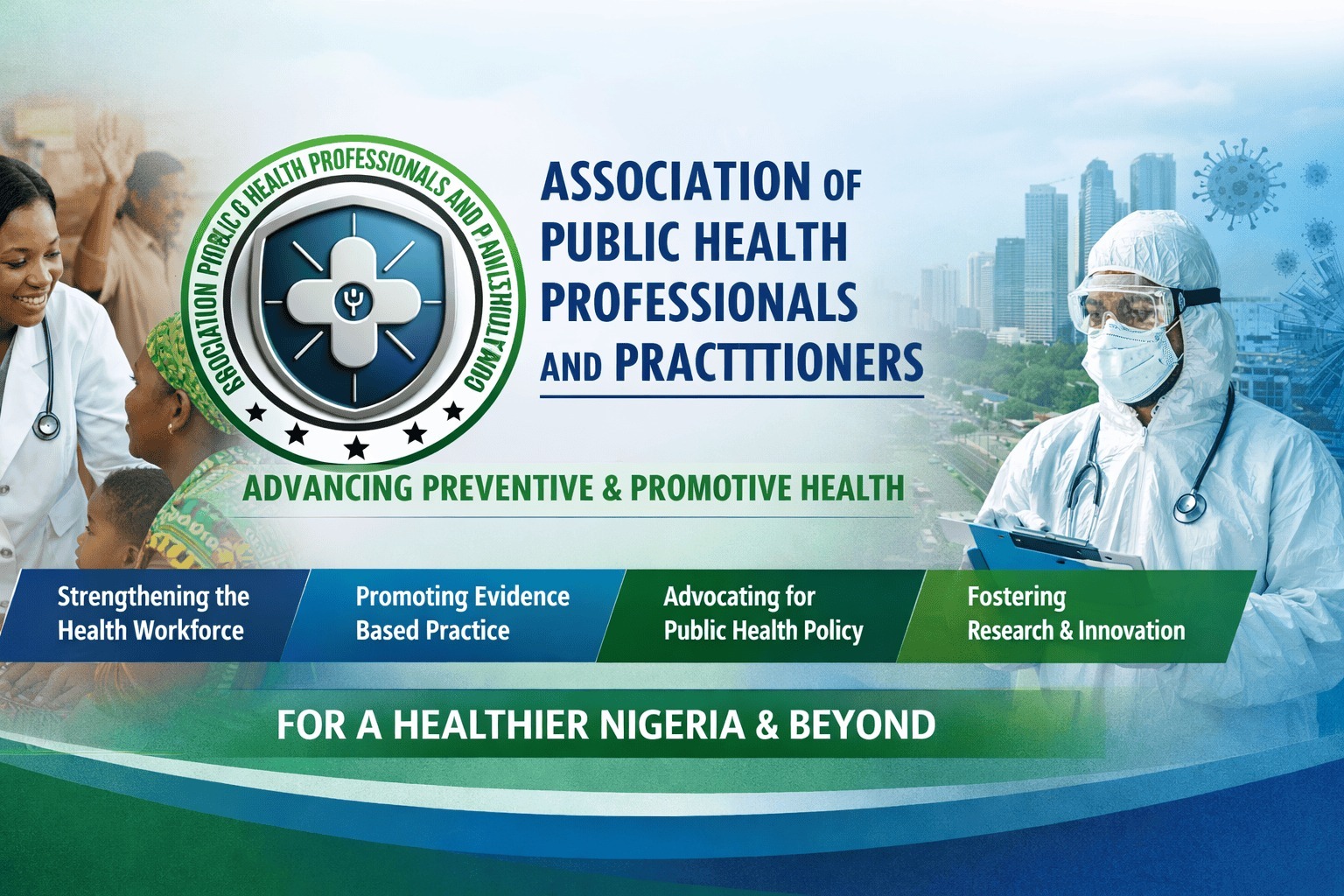
Nigeria’s health system stands at a decisive moment. Across the country, families continue to bear the burden of preventable diseases, recurring outbreaks, and rising non-communicable conditions that strain both households and health facilities.
In this context, Lagos State has taken a bold and strategic step that deserves national attention and commendation.
By advancing the creation and strengthening of Public Health Officer and Related Preventive Health cadres, the Lagos State Government is demonstrating the kind of forward-thinking leadership Nigeria urgently needs.
The Association of Public Health Professionals and Practitioners (APHPP) warmly applauds this reform.
It reflects a clear understanding of a fundamental global lesson: no country can treat its way to good health. Sustainable health systems are built on prevention, early detection, and strong community-based public health action.
The World Health Organisation (WHO) has consistently emphasised that essential public health functions, including surveillance, health promotion, and risk communication are the backbone of resilient health systems (WHO, 2021). Lagos State’s policy direction aligns firmly with this evidence.
For years, Nigeria’s universities and health training institutions, under the approval of the National Universities Commission, have produced thousands of qualified public health graduates.
Yet many of these skilled professionals have remained underutilised due to structural gaps in workforce absorption and limited recognition of dedicated preventive health cadres.
The Lagos reform begins to correct this long-standing mismatch between training and deployment. It is a pragmatic response to the realities of a megacity facing complex health risks driven by rapid urbanisation, population growth, and environmental pressures.
Importantly, this reform is not about professional rivalry or institutional turf. Modern health systems across the world are multidisciplinary by design. In the United Kingdom, the Faculty of Public Health recognises public health specialists from diverse professional backgrounds working collaboratively to protect population health (Faculty of Public Health, 2022). Across Africa, the Africa Centres for Disease Control and Prevention has also stressed that strengthening the public health workforce is central to epidemic preparedness and health security (Africa CDC, 2022). Lagos State is therefore not acting in isolation; it is aligning with global best practice.
As with any significant reform, there have been dissenting voices and attempts to cast doubt on the policy direction. Healthy professional dialogue is welcome in any democracy. However, such debates must remain grounded in evidence and the broader public interest. The creation of structured preventive health cadres does not weaken the health system; it strengthens it by ensuring that the right mix of competencies is available where they are most needed , in communities, surveillance systems, and preventive programmes.
The Lagos State Government deserves praise not only for initiating this reform but also for demonstrating political courage in prioritising long-term population health over short-term institutional comfort.
We respectfully encourage the state leadership to remain steadfast and not be distracted by antagonistic pressures that do not reflect international best practice or Nigeria’s evolving health needs.
For ordinary citizens, the implications of this policy are tangible. A stronger preventive health workforce means faster outbreak detection, more effective community health education, improved maternal and child health outcomes, better environmental health monitoring, and ultimately lower healthcare costs for families. Prevention is not abstract policy; it is everyday protection for the public.
APHPP also calls on other state governments and federal stakeholders to carefully study the Lagos model and consider similar evidence-based reforms within their jurisdictions.
Nigeria’s progress toward Universal Health Coverage, International Health Regulations compliance, and the health-related Sustainable Development Goals will depend heavily on how effectively the country strengthens its preventive health architecture.
The path forward is clear. Nigeria must continue to invest in a multidisciplinary, prevention-driven health system that reflects twenty-first century realities.
Lagos State has taken an important and commendable step in that direction. With sustained commitment, constructive stakeholder engagement, and fidelity to global best practice, this reform can become a national turning point in protecting and promoting the health of all Nigerians.
Dr. Adejumo is the President of the Association of Public Health Professionals and Practitioners
Related posts