

Our Culture And Tradition Should Evolve Towards Cultural Tourism
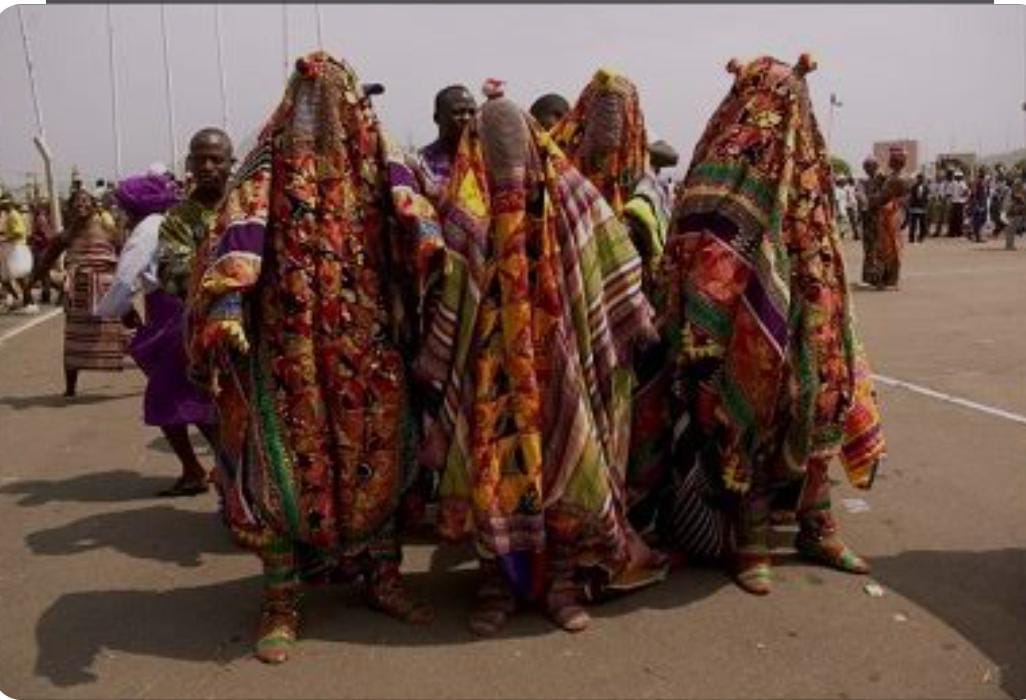
As human beings, we are constantly evolving and adapting to our surroundings. Our culture and traditions, which have been passed down from generation to generation, play a significant role in shaping who we are. However, in the modern world, the concept of cultural tourism is becoming increasingly popular. And while it is a great way to showcase our unique traditions and customs to outsiders, there is a growing concern about how it may affect our culture and traditions. Many indigenous communities are faced with the dilemma of whether or not to welcome non-indigenous people into their cultural spaces. But is it time for us to shift our perspective and embrace cultural tourism instead of restricting it? In this article, we will explore why our culture and tradition should evolve towards cultural tourism and how it can benefit both our communities and those who visit us.
First and foremost, it is essential to understand what cultural tourism is. Cultural tourism is when travelers visit a place to experience its culture, way of life, and traditions. It involves observing and participating in ceremonies, rituals, and other cultural activities. It also includes visiting historical sites and interacting with the local community to gain a deeper understanding of their customs and beliefs. Cultural tourism not only promotes cultural exchange and understanding but also provides economic benefits to the host community.
One of the main reasons our culture and tradition should evolve towards cultural tourism rather than rejecting it is the opportunity it provides for cultural preservation. With globalization and modernization, many indigenous cultures and traditions are at risk of being lost. By opening our doors to cultural tourism, we can share our traditions and practices with a broader audience and ensure their survival for future generations. It also allows us to educate visitors about the significance and meaning behind our customs, promoting respect and appreciation for our culture.
Moreover, cultural tourism can bring economic benefits to our communities. By showcasing our unique traditions, we can attract tourists and generate income. This can help improve the living standards of our community members and provide them with opportunities for economic growth. Additionally, cultural tourism can also create job opportunities for locals, such as tour guides, artisans, and performers, thus empowering our community and reducing the gap between the rich and poor.
By embracing cultural tourism, we can also bridge the gap between different cultures and promote understanding and unity. Through interactions with visitors, we can break down stereotypes and misconceptions, fostering cultural exchange and mutual respect. It also allows for the exchange of ideas and promotes cultural diversity, which is essential for the progress and development of any society.
However, it is crucial to note that cultural tourism should be approached with sensitivity and caution. As indigenous communities, we must set boundaries and ensure that our traditions and sacred sites are respected. We must also educate visitors about our cultural norms and etiquettes. By doing so, we can maintain the integrity of our culture while still welcoming outsiders. Additionally, it is essential to involve the community in decision-making processes regarding cultural tourism and its impact on our traditions and way of life.
In conclusion, our culture and tradition should evolve towards cultural tourism instead of restricting it. It provides us with the opportunity to preserve and promote our unique customs, generate economic benefits, and bridge the gap between different cultures. However, it is crucial to handle cultural tourism with care and ensure that our traditions are respected and protected. Let us embrace cultural tourism and use it as a tool to preserve and celebrate our rich cultural heritage.
– Chief Nkemakonam Godwin Anaebonam writes from Lagos.
Related posts