
Samuel Mawuyon Ajose And The Badagry Awakening in Lagos’ 2027 Power Chessboard
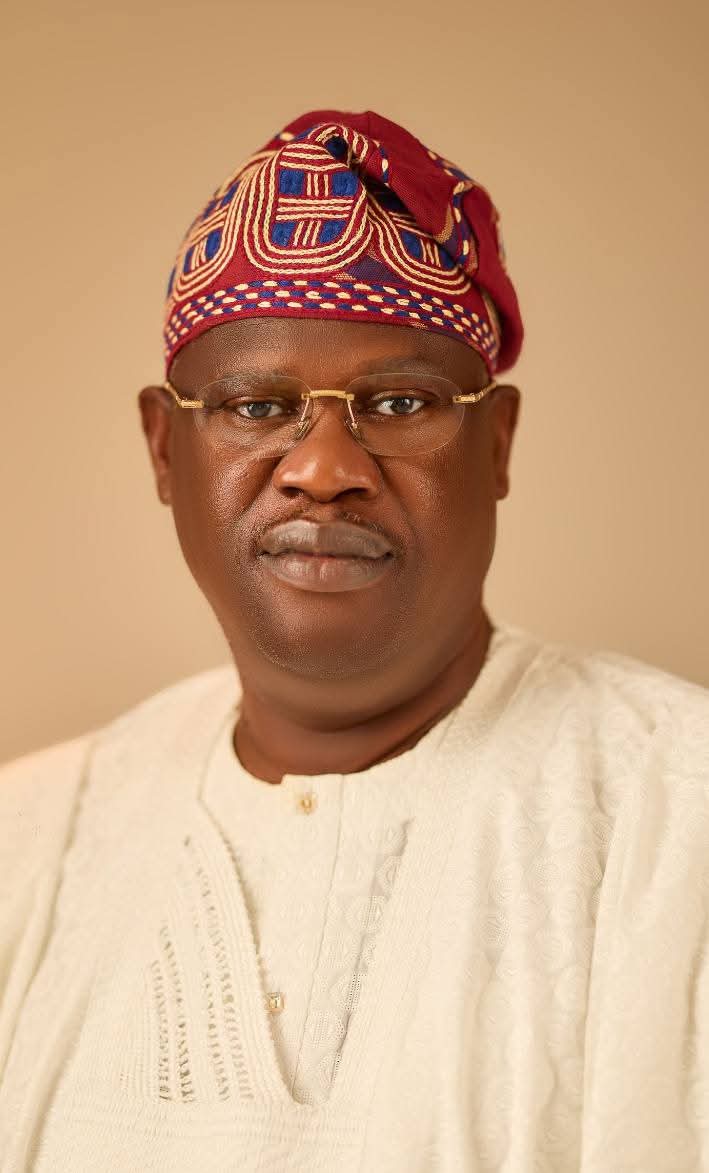
As conversations around the 2027 governorship race in Lagos State gather momentum, familiar names continue to dominate political salons and strategy sessions.
From the technocratic poise of Hakeem Muri-Okunola to the legislative gravitas of Femi Gbajabiamila, the reformist legacy of Akinwunmi Ambode, Dr. Abdul-Azeez Olajide Adediran, Tokunbo Abiru, and Dr. Tunji Alausa, the All Progressives Congress (APC) appears spoilt for choice.
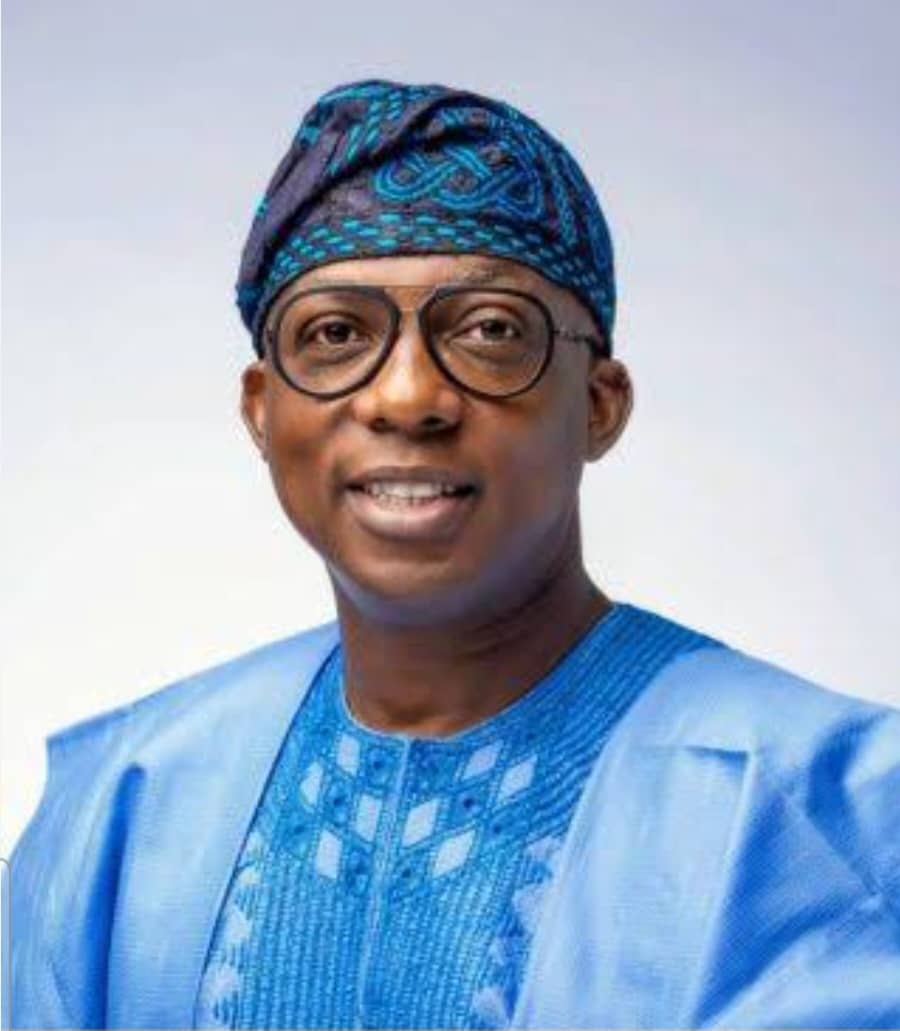
Yet, beneath the predictable permutations and power alignments lies a quieter but increasingly compelling name: Dr. Samuel Mawuyon Ajose.
In a state defined by its five historic divisions, Ikeja, Badagry, Ikorodu, Lagos Island, and Epe, one of them has never tasted the governorship.
Badagry, the coastal corridor rich in heritage and economic promise, remains the only division yet to produce a governor. For many political observers, this long-standing imbalance is no longer a footnote; it is an unfinished chapter in Lagos’ power calculus.
Dr. Ajose, a distinguished professional with deep roots in Badagry, is steadily emerging as a symbol of that corrective moment.
In recent months, sources close to his camp reveal that he has been consulting far and wide, engaging elders, youth leaders, technocrats, and party stakeholders across Ikeja, Ikorodu, Lagos Island, Epe, and his native Badagry. These consultations, described as deliberate and listening-driven, are said to reflect a candidate more interested in consensus-building than grandstanding. Rather than loud declarations, Ajose appears to be mapping the political terrain division by division, quietly stitching alliances that cut across geography and generation.
Those who know him describe a man equally comfortable in boardrooms and community squares, a bridge between elite policy circles and grassroots realities.
Beyond public service conversations, Ajose is understood to sit atop the boards of towering organisations, presiding over strategic decisions that shape enterprise, governance, and institutional growth. That boardroom gravitas, allies argue, reinforces his reputation as a steady hand capable of navigating Lagos’ vast administrative machinery.
His career trajectory reflects technocratic depth, administrative discipline, and a nuanced understanding of Lagos’ complex socio-economic ecosystem. In a state that thrives on scale, systems, and sustainability, such a profile is not incidental; it is strategic.
What makes Ajose particularly intriguing is the timing. Lagos politics has evolved beyond geography, but geography still matters. The unwritten doctrine of balance, rotational sensitivity across divisions, has often shaped internal party consensus.
As APC stakeholders quietly weigh electability, competence, and equity, the Badagry argument grows stronger. The symbolism of producing a governor from a historically marginalised division could re-energise grassroots structures, especially in riverine and border communities that have long felt peripheral to Alausa’s inner sanctum. But symbolism alone does not win primaries.
Insiders note that Ajose’s strength lies in his understated coalition-building. Unlike louder aspirants, he has invested years in professional networks, civic engagements, and party loyalty without overt grandstanding. His ongoing consultations across the state further signal a readiness to test his appeal beyond regional sentiment, positioning himself as a pan-Lagos contender rather than a sectional hopeful.
There is also the generational subtext. Lagos stands at an inflection point: urban expansion, youth unemployment, transport congestion, climate vulnerability, and border trade complexities demand adaptive leadership. Ajose’s technocratic leanings sharpened in executive boardrooms and institutional leadership positions, placing him in a class of aspirants who view governance less as spectacle and more as systems engineering.
Critically, his candidacy reframes the conversation from entitlement to inclusion. While heavyweights command name recognition and federal proximity, Ajose embodies a quieter assertion: that power in Lagos can expand its geography without diminishing its competence.
Political analysts caution that the APC ticket remains one of the most competitive prizes in Nigerian politics. Party machinery, strategic endorsements, and legacy alliances will ultimately shape the field. Yet history often favours the candidate who aligns momentum with moral argument. In this case, the moral argument is straightforward: Badagry’s turn.
For now, Samuel Mawuyon Ajose is consulting, listening, and consolidating, division by division, boardroom by boardroom. And in Lagos, quiet movements often produce the loudest outcomes.
Related posts