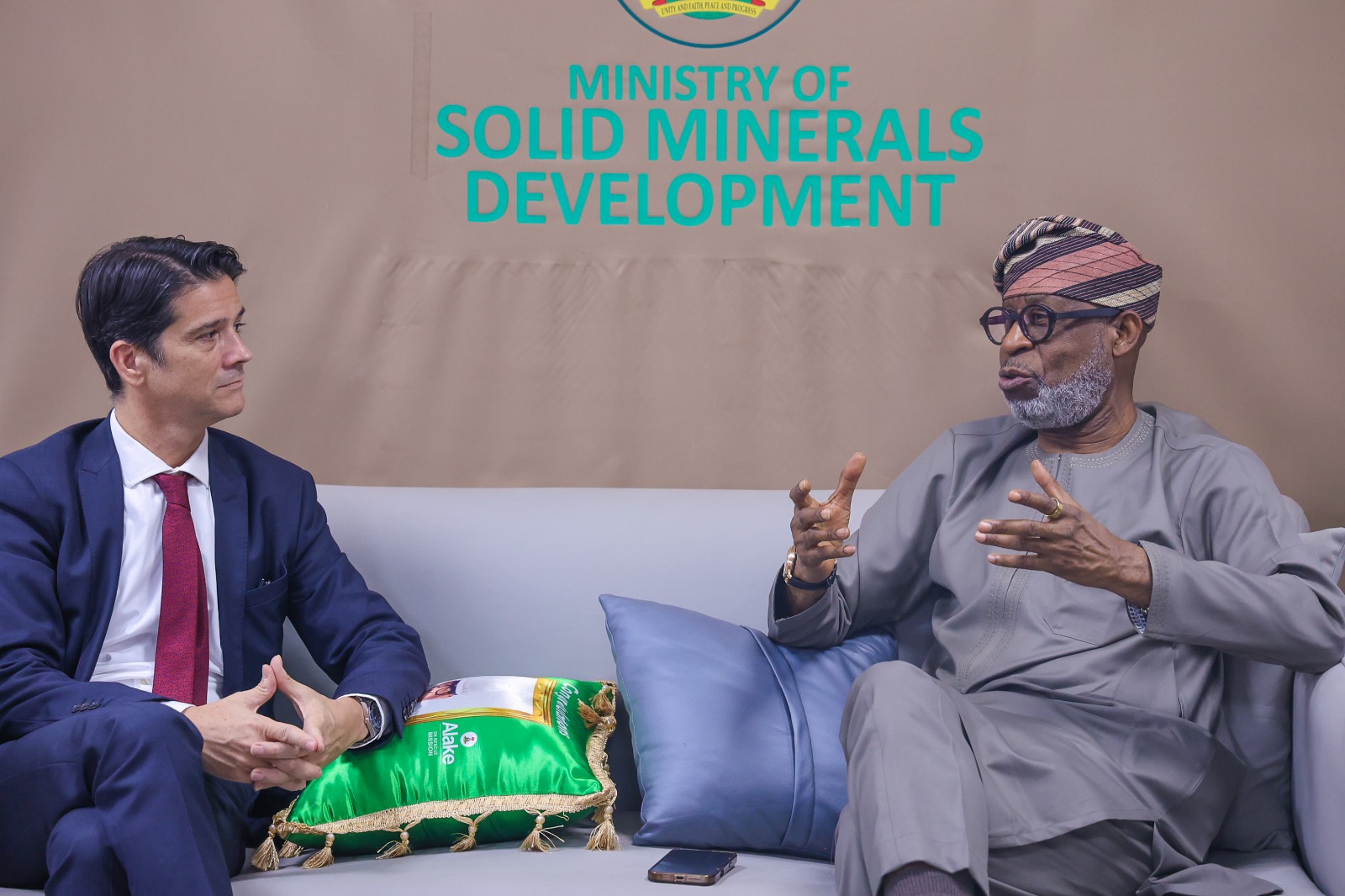


Solid Minerals Development Fund Optimistic Of Mining Future In Nigeria
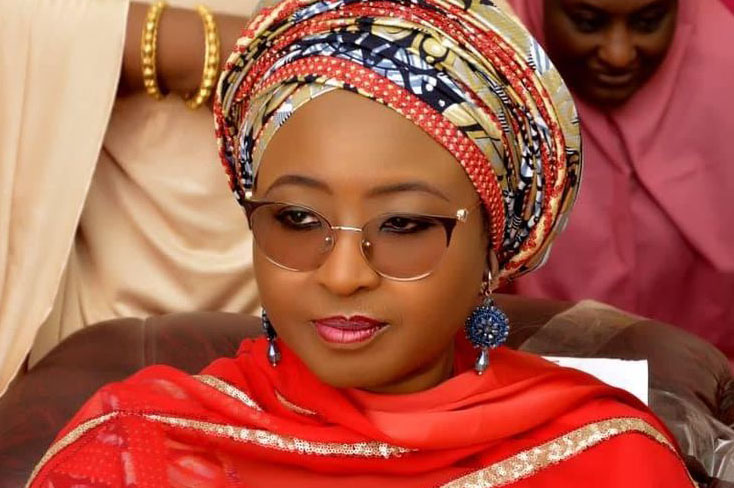
<em><strong>Hajiya Fatima Umaru Shinkafi</strong></em>
The Executive Secretary explained that ORDF was created after industry experts agreed in 2024 that Nigeria needs consistent ore reserve reporting, stronger technical capacity, and clear financing pathways to attract investors.
She said SMDF is already derisking early-stage projects, enforcing strict due diligence, and working with capital-market institutions to prepare credible mining companies for investment.
Highlighting recent progress, she noted that 867 mining licences issued in Q1 2025 generated ₦7 billion, signaling renewed investor confidence.
She urged stakeholders to use the workshop to design a practical Mining Finance Framework that will set standards, guide miners, and help financiers properly assess risks.
“If we build the right financing system, mining can become a true pillar of economic diversification,” Shinkafi concluded.
Chairman of the Geological Society of Nigeria, Uba Saidu Malami said Nigeria’s mineral wealth will only translate into national wealth when the country scientifically qualifies its resources to global standards
He added that mining financing largely comes from capital markets, not banks, making internationally certified reports critical for junior mining companies.
Malami also highlighted links between natural resources and insecurity, stressing the need to mitigate risks while ensuring Nigeria assigns real value to its gold, diamonds, and transition minerals through reliable exploration and reserve reporting.
In his submission, a Mining investment expert and Mont Capital executive, Jon O’Callaghan, says Nigeria could build a mining industry bigger than oil and gas within 25 years — but only if the country attracts risk capital into exploration, not just mining.
O’Callaghan said Nigeria already has the right policies in place and the Federal Government has “done its job” by creating an enabling environment.
Related posts