
Soludo’s Take: How Will Nigeria Move Forward?
CHRISTIAN ABURIME
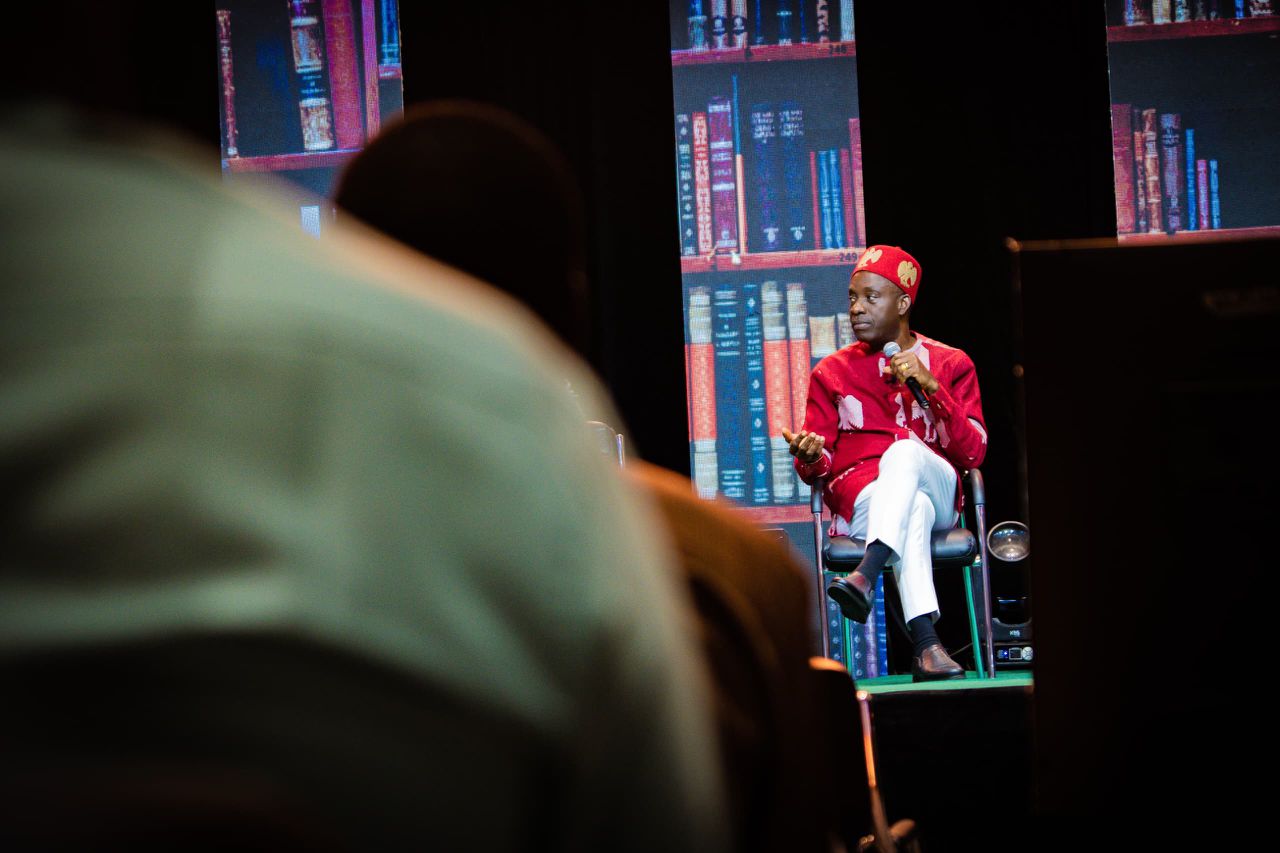
In his powerful Democracy Day address, Anambra State Governor, Professor Charles Soludo, laid bare the stark realities facing Nigeria and the urgent need for transformative change. As the nation grapples with significant economic, social, and political challenges, Soludo’s intervention offers an urgent call for collective action and radical reforms. But is there hope, and will there be a clear way forward?
Professor Soludo did not mince words about the gravity of the situation. According to him, President Tinubu inherited an economy in dire straits, likening it to “a dead horse but standing.” The roots of Nigeria’s current predicament, Soludo asserted, stretch back over a decade, marked by denial and postponed decisions that have led to today’s economic malaise. The delayed and misguided adjustments have created a scenario where only bold, systemic disruptions can pave the way forward.
Soludo highlighted the enormous responsibility on President Tinubu’s shoulders, emphasizing that the new administration must mobilise the nation to address its longstanding issues. There is no room for incremental changes; instead, Nigeria requires comprehensive, intentional reforms that disrupt the status quo. This transformation demands mass mobilisation and public ownership, but Soludo observes a worrying disconnect between the severity of the crisis and public awareness or readiness to engage in the solution process.
A critical tension identified by Soludo is the conflict between short-term populist pressures and the need for long-term, sustainable transformations. This struggle pits the immediate desires to win elections against the essential actions needed to secure a prosperous future for coming generations. Soludo underscores that while populist measures may offer temporary relief or political gain, they fall woefully short of addressing the deep-rooted problems plaguing Nigeria.
Admittedly, the foundation of Nigeria’s socio-political and economic structure is deeply flawed, according to Soludo. He recalled his 2005 Democracy Day Lecture, where he emphasized the need to get the economics, politics, and laws/institutions right, along with divine guidance for implementation. Today, the urgency is even greater. The path to recovery involves tackling systemic insecurity, broken public finances, a dysfunctional oil and gas sector, decaying infrastructure, environmental degradation, rising social tensions, and restoring citizen confidence.
Yet, Professor Soludo expressed optimism in President Tinubu’s ability to lead this monumental task. He pointed to Tinubu’s past achievements, such as his fight for Lagos State’s local government autonomy and his advocacy for true federalism, as evidence of the President’s potential to drive the necessary changes. However, he stressed that Tinubu cannot do it alone and requires collective national support.
As an action plan, Soludo proposed the declaration of a State of Emergency in virtually every sector. He called for the establishment of working groups focused on critical areas: Security, Economy, Oil and Gas/Natural Resources, and Food Security. Two additional groups are pivotal for long-term stability: one on Devolution and building the foundations of a robust federation, and another on forging a new Social Contract with citizens to ensure everyone has a stake in the nation’s future.
The message from Professor Soludo is clear: Nigeria stands at a critical crossroads, and the road ahead demands bold, unprecedented actions. The nation needs leaders with the courage to implement deep-seated changes and a populace willing to support and participate in these transformative efforts. The future of Nigeria depends on its ability to confront its challenges head-on, think and act beyond traditional confines, and build a new foundation for sustainable progress. Yes, the journey will be arduous, but with collective resolve and decisive leadership, Nigeria can navigate through its current crossroads and emerge stronger and more resilient.
Related posts