

Time For Alaafin To Restrategize
AZUH ARINZE

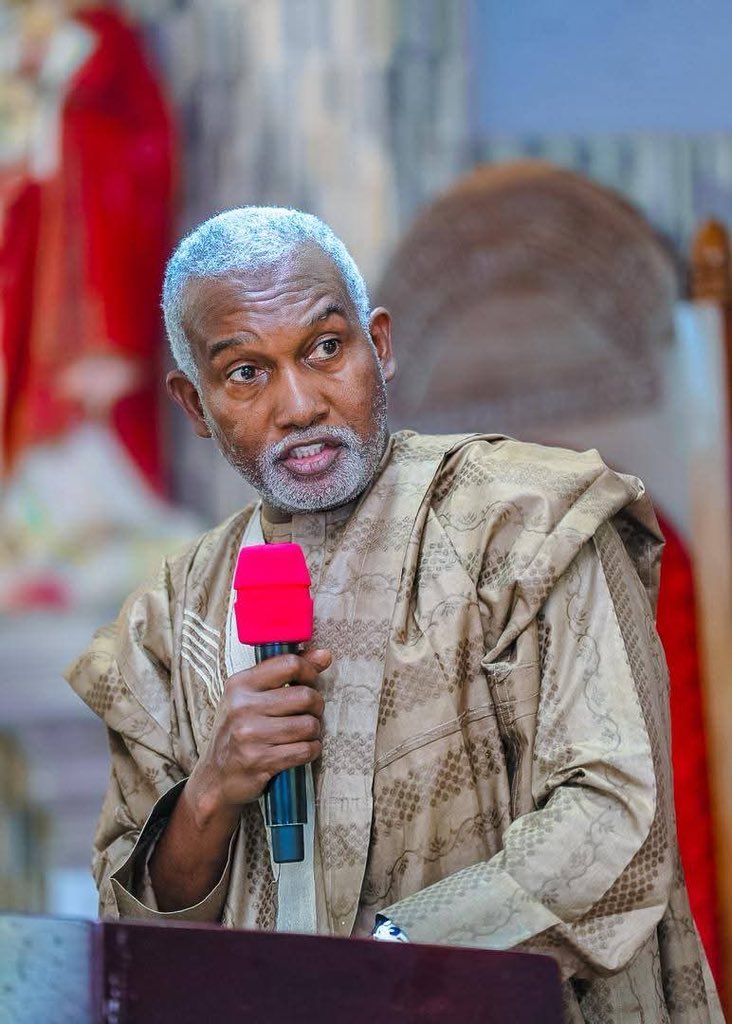
The Alaafin of Oyo stool is one of the most revered traditional institutions in Yorubaland and, indeed, Nigeria. It is a throne steeped in centuries of history, cultural gravitas and political symbolism. Yet, in recent times, the occupant of that exalted stool, Oba Akeem Abimbola Owoade, has found himself repeatedly enmeshed in controversies that raise one fundamental question: is it not time for the Alaafin to restrategize?
No traditional ruler, especially a first-class monarch, can afford to be perpetually at war with fellow monarchs, the political establishment or even with public opinion.
The Alaafin’s reign, since his emergence, on Saturday, April 5, 2025, has been punctuated by public disagreements, institutional confrontations and statements that many consider provocative, divisive or unnecessarily combative. While a traditional ruler is not expected to be timid, wisdom demands a careful balance between assertiveness and restraint.
The controversies have been many and varied. From open rivalry with other respected Yoruba monarchs like the Ooni of Ife and Olubadan of Ibadan to thinly veiled political posturing, the Alaafin has often appeared more comfortable in the arena of public disputes than in the quiet but powerful role of a cultural stabiliser. Such actions may excite supporters who admire boldness, but they also expose the throne to avoidable risks – especially in a country where governments have repeatedly shown that no traditional institution is beyond sanction.
Nigeria’s history offers sobering lessons. From Ovonramwen of Benin to Sultan of Sokoto and more recent dethronements across the country, like Emir Lamido Sanusi of Kano, the message is clear: when a traditional ruler consistently crosses lines – whether political, administrative or legal – the state eventually asserts itself. Titles, crowns and ancestral prestige have not always been enough to shield monarchs from deposition, suspension or outright removal. The Alaafin’s stool, for all its glory, is not immune.
As a first-class traditional ruler, the Alaafin is expected to be a bridge-builder, a custodian of culture and a moral compass for his people. His words should heal, not inflame; his interventions should unite, not polarise. When a monarch becomes better known for controversy than for consensus, for disputes rather than diplomacy, it is a signal that something is amiss.
Restrategizing, by the way, does not mean surrendering authority or abandoning principles. Rather, it calls for a recalibration of approach. The Alaafin must recognize that modern traditional rulership operates within a constitutional democracy.
Governments may court traditional rulers when it suits them, but they will not hesitate to discipline them when they feel threatened or embarrassed, just like the recent one where Governor Seyi Makinde of Oyo State was portrayed as a liar. Prudence, therefore, is not cowardice; it is actually survival.
There is also the question of legacy. How does the Alaafin wish to be remembered? As a brilliant but controversial monarch constantly at loggerheads with authority, or as a wise king who navigated turbulent times with tact and preserved the dignity of the Oyo throne?
Legacy is shaped not just by courage, but by judgment.
The Alaafin still has the opportunity to chart a new path. By toning down public confrontations, embracing quiet diplomacy and focusing on cultural leadership rather than political grandstanding, he can reinforce the relevance and respect of his throne. Engagements with government should be strategic, not adversarial. Engagements with fellow traditional rulers should also be collegial, not competitive.
Ultimately, the survival of any traditional institution depends on its ability to adapt without losing its soul. The Alaafin’s stool has survived wars, colonialism and political upheavals because previous occupants understood when to speak and when to stay silent, when to fight and when to negotiate.
This, therefore, is not a call for submission, but for wisdom. The times demand it. The throne deserves it. And if the Alaafin truly wishes to avoid the ignominy of being dethroned or sacked by the government, the moment to restrategize is now – not tomorrow, not after the next controversy, but immediately.
– Azuh Arinze, FNGE, is the Publisher/Editor-in-Chief of YES INTERNATIONAL! Magazine and author of important books like The CEO’s Bible 1 and 2, Success Is Not Served A La Carte, A Taste of Success, My Story of Many Colours, Tested and Trusted Success Secrets of the Rich and Famous, Anything and Everything Journalism, Conversations With Showbiz Stars and Encounters: Lessons From My Journalism Career.
Related posts