Turning Targets Into Tangible Impact: Nigeria’s Cervical Cancer Strategy For 2030
ROBERT TABOADA
Humanity and cancer have travelled a long road together. Largely, it has been a one-sided story, with cancer among men, women and children indiscriminately causing premature mortality in every population group globally.
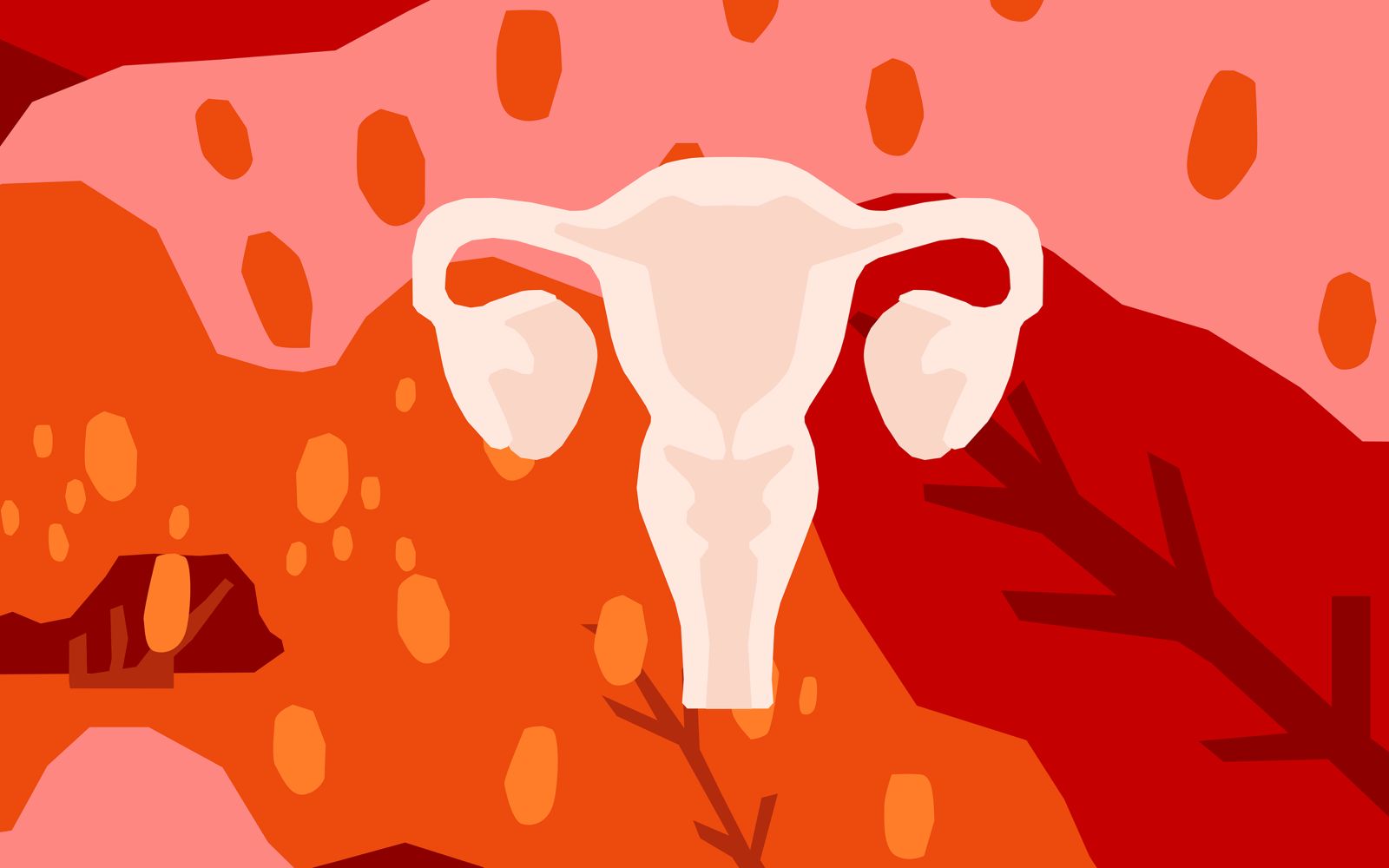
In Nigeria, the impact of women’s cancers is particularly far-reaching for families, our economy and society more broadly. But we finally have an opportunity to take the upper hand. Specifically, Nigeria is entering a decisive phase in its response to cervical cancer.
Nigeria’s government has blazed a trail, embracing renewed political commitment, updated national guidance and accelerated implementation plans. As a result, we are on the cusp of demonstrating how global health targets can be translated into practical, country-owned action.
Why focus on cervical cancer?
For many Nigerian families, cervical cancer is not an abstract statistic. It is a diagnosis that arrives late, disrupts livelihoods and places immense strain on households already navigating complex health and economic realities.
Caused by persistent infection with the human papillomavirus (HPV), cervical cancer is one of the most preventable cancers. HPV, it should be noted, is commonly transmitted through skin-to-skin or intimate contact. Vaccines against HPV are available, and screening, followed by treatment of pre-cancerous lesions, if necessary, are highly effective ways to prevent cervical cancer.
Perhaps one of the most significant challenges Nigeria, and many other countries, face is silence. Lack of awareness, societal limitations and even personal embarrassment are among the reasons Nigerian women may choose not to get screened for HPV.
In this context, cervical cancer remains a serious public health challenge, with an estimated 13,700 new cases and more than 7,000 deaths recorded each year¹.
Nigeria’s road to elimination
For the first time, Nigeria’s top decision-makers have recognised that, when policy, access and delivery vehicles to patients align, health systems open the scientific pathway to elimination. In 2026, Nigeria will officially align its national response with the World Health Organization’s global strategy to eliminate cervical cancer, anchored in the 90–70–90* targets to be achieved by 2030.
* To eliminate cervical cancer, all countries must reach and maintain an incidence rate of below 4 per 100 000 women. Achieving that goal rests on three key pillars and their corresponding targets:
• vaccination: 90% of girls fully vaccinated with the HPV vaccine by the age of 15;
• screening: 70% of women screened using a high-performance test by the age of 35, and again by the age of 45;
• treatment: 90% of women with pre-cancer treated and 90% of women with invasive cancer managed.
Each country should meet the 90–70–90 targets by 2030 to get on the path to eliminate cervical cancer within the next century.
Over the last year alone, Nigeria has made admirable progress in shaping a coordinated national approach. This progress is supported by a National Taskforce on Cervical Cancer Elimination, which brings together government, clinical experts and private-sector partners to translate strategy into coordinated action.
These targets are being operationalised through national leadership and multi-sector collaboration. This is truly a group effort. The Federal Ministry of Health and national institutions have strengthened governance structures, advanced technical planning and reinforced elimination as a shared public health objective, and private sector organisations are co-creating mechanisms to maintain momentum in vaccination programmes and align screening practices with WHO recommendations. This includes the use of high-performance HPV DNA testing as the primary screening method3,4.
Formalised guidelines provide a consistent national framework for states and implementing partners, supporting more equitable access and standardised care pathways. Nigeria has also publicly reaffirmed its commitment to the WHO elimination strategy through international health forums, linking national policy decisions to global accountability mechanisms².
Building on strong foundations through prevention
Cervical cancer affects women at the heart of families and communities, often during their most economically productive years. Protecting women’s health protects far more than individual outcomes.
Nigeria’s progress will be powered by pragmatic system design. For primary prevention, in 2023, the government began phasing in HPV vaccination as part of routine immunisation. The next step in the 90-70-90 continuum, of course, is screening.
Molecular diagnostic platforms are already distributed across the country, many with available capacity. By integrating cervical cancer screening into existing laboratory networks, including those supporting HIV programmes, Nigeria is strengthening efficiency while advancing universal health coverage goals.
This approach prioritises sustainability. Rather than creating parallel systems, it builds on national assets and reinforces domestic health infrastructure. Public-private collaboration has played an important role in demonstrating how policy frameworks can be translated into scalable operational models, particularly for rural and underserved communities.
What next?
Our journey alongside cervical cancer is becoming less one-sided every day, as Nigeria prepares to launch a cervical cancer screening pilot designed to validate workflows, logistics and self-collection approaches in real-world settings. Pilots of this nature are essential for refining implementation and informing national scale-up.
Equally important is sustained engagement with clinicians and communities. Government-led awareness initiatives are being strengthened to support informed decision-making and encourage uptake of screening services, ensuring that progress in policy is matched by progress in practice.
Nigeria’s sustained action over the last year alone shows what can be achieved when political will, technical evidence and partnership align. The focus now is on maintaining momentum, strengthening delivery and supporting states to implement national guidance effectively.
Elimination will not happen overnight. But with continued leadership, collaboration and investment, cervical cancer can become a condition that health systems anticipate, prevent and manage decisively.
The bold decisions taken today will shape health outcomes and inform how future generations understand prevention, dignity and access to care. Each girl vaccinated, each woman screened and each patient treated moves Nigeria closer to a future where cervical cancer is addressed early and effectively within a resilient and inclusive health system.
*Roberto Taboada is the Network head, Anglo-West Africa, at Roche Diagnostics
Related posts