

Why Technology Cannot Replace Physical Transparency In Nigeria’s Elections
BY PRINCE ADEYEMI SHONIBARE
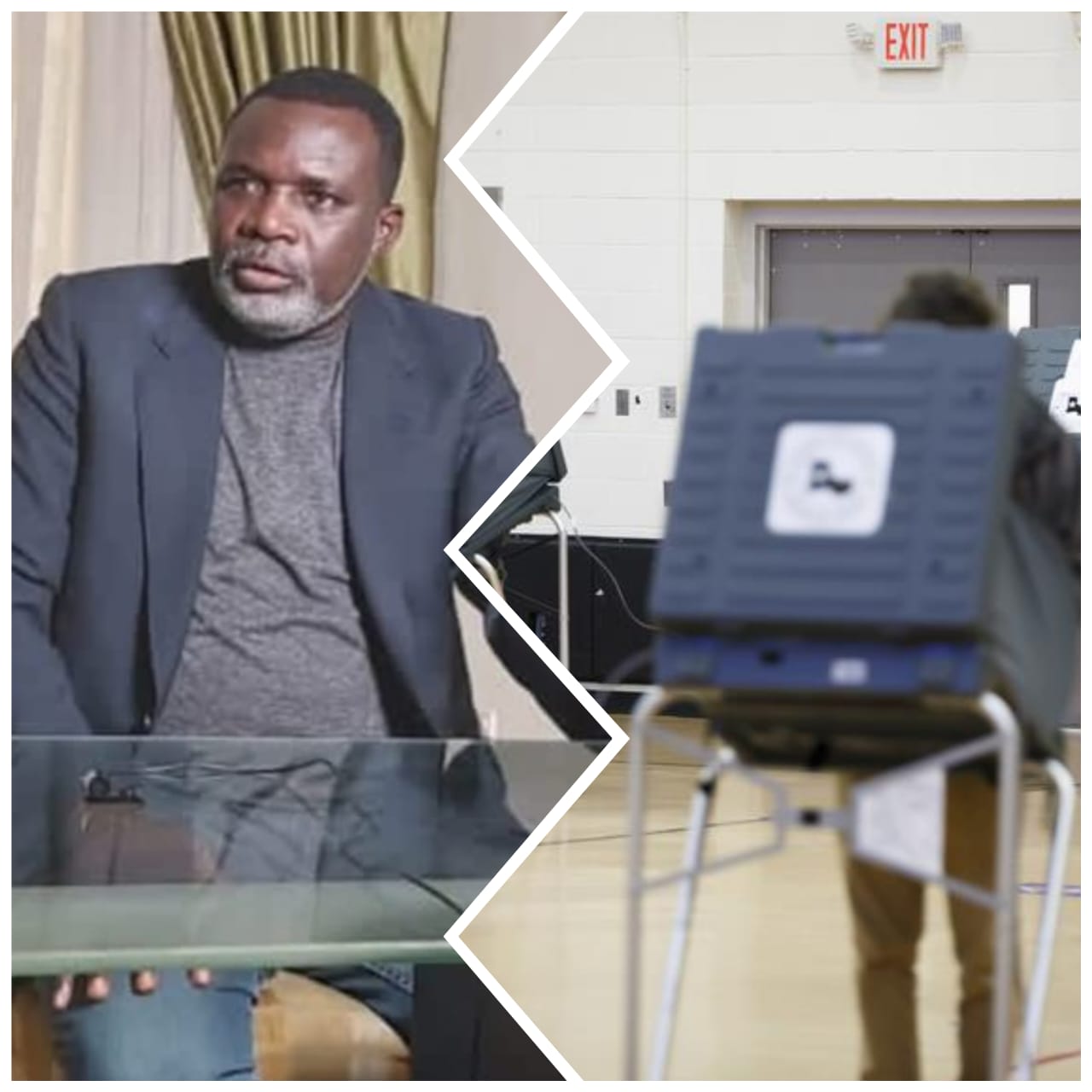
In the modern political imagination, technology is increasingly portrayed as the ultimate guarantor of electoral credibility.
Yet a careful examination of global democratic practices reveals a very different reality — one anchored firmly in physical verification, layered collation, human accountability, and legal audit trails.
Nigeria must therefore exercise caution before surrendering its electoral destiny to technology alone.
Main Text
In the modern political imagination, technology is increasingly portrayed as the ultimate guarantor of electoral credibility.
From biometric voter accreditation to electronic result transmission, digital tools are marketed as the cure-all for electoral malpractice. Yet a careful study of the world’s most advanced and stable democracies reveals a far more grounded reality — one anchored firmly in physical verification, layered collation, human accountability, and legal audit trails.
Nigeria must therefore exercise deep caution before surrendering its electoral destiny to technology alone, particularly in a nation where electricity supply, internet penetration, cybersecurity resilience, and digital literacy remain deeply uneven.
Pull Quote: “Democracy is not secured by speed, servers or software; it is protected by transparency, verification, and human accountability.”
How Advanced Democracies Transmit Election Results
Contrary to widespread assumptions, most advanced democracies do not operate real-time nationwide electronic transmission of polling unit results. Instead, they rely on physical counting, decentralized collation, and layered verification before public electronic reporting.
United States — Decentralized Democracy, Not Central Servers
In the United States, elections are not centrally conducted by the federal government. Each state administers its elections independently, while counties and municipalities conduct polling, counting and collation. Votes are counted physically at polling stations, collated at county centres, transmitted to state authorities, and released publicly afterward. There is no national real-time electronic collation server.
“America does not run elections from Washington. Democracy begins at the polling station, not in a server room.”
Canada — Manual First, Digital Later
Canada remains one of the strongest examples of electoral integrity rooted in physical verification. Ballots are hand-counted at polling locations, results are manually recorded, transmitted step-by-step from local ridings to Elections, and published online only after human verification.
“In Canada, technology reports elections — it does not conduct them.”
United Kingdom — Human Audit as Democratic Doctrine
The United Kingdom maintains a strict manual counting and verification system built on physical ballot counting, open verification, layered collation, and transparent audit trails. No digital platform replaces human oversight.
“British democracy rests on human accountability, not blind automation.”
Germany and France — Manual Precision and Layered Transparency
Germany operates a federal electoral structure anchored in manual counting and local collation, with results transmitted through layered institutional channels. France similarly maintains strict physical voting and counting procedures, with electronic platforms used strictly for final publication.
“European democracies prioritize accuracy over speed.”
Brazil — Electronic Voting with Physical Safeguards
Although Brazil employs electronic voting machines, the system incorporates physical audit trails, judicial oversight, and layered institutional verification.
“Brazil proves that even digital voting requires physical safeguards.”
South Africa — Manual Counting as Electoral Backbone
South Africa, Africa’s most industrialized democracy, conducts physical ballot voting and manual counting at polling units, followed by transparent collation at ward, municipal, provincial and national levels.
“South Africa shows that African democracies still depend on physical credibility.”
Ghana — Africa’s Gold Standard of Physical Transparency
Ghana remains Africa’s most respected electoral model. Votes are counted openly at polling units, results are declared immediately on-site, agents receive copies, and results are pasted publicly, ensuring exceptional transparency.
“Ghana’s democracy survives not because of servers, but because of trust built through physical transparency.”
Nigeria’s Infrastructure Reality
Nigeria still struggles with unstable electricity, poor rural internet access, weak cybersecurity capacity, frequent network failures, and low digital literacy.
Even in Lagos —Nigeria’s commercial capital— network disruptions remain routine. Expecting real-time uploads from over 176,000 polling units is therefore technologically ambitious but operationally unsafe.
Pull Quote: “A digital democracy cannot stand on analog infrastructure.”
The Supreme Electoral Document
Across all credible democracies, the polling unit result sheet remains the most critical legal and democratic evidence. In Nigeria, votes are counted openly, recorded manually, signed by party agents, distributed to stakeholders, and publicly pasted, ensuring community verification and legal audit trails.
“The ballot paper, not the server log, remains democracy’s strongest witness.”
The Danger of Replacing Agents with Technology
Party agents remain the primary guardians of electoral integrity. They monitor voting, verify results, track collation, and provide legal evidence. Replacing human oversight with centralized digital platforms is a dangerous democratic gamble.
“Technology must assist agents — not replace them.”
Lessons from 2023
The 2023 general elections exposed upload failures, server delays, network breakdowns, and system congestion. Yet physical result sheets preserved electoral evidence and public confidence.
“When technology collapsed, paper preserved democracy.”
Conclusion
From America to Germany, Canada to Ghana, democratic systems follow one enduring principle:
Physical Voting → Physical Counting
Local Collation Layered Transmission → Public Reporting
Nigeria must adopt this balanced and realistic model, not digital extremism. Until Nigeria achieves stable electricity, nationwide broadband, strong cybersecurity, and digital inclusion, human presence, physical verification, and manual accountability will remain the foundation of credible elections.
Final Pull Quote:
“Democracy thrives not in speed, but in trust.”
Prince Adeyemi Shonibare, a Media Strategist, writes from Abuja
Related posts