

Rabiu Kwankwaso And The Illusion of Influence
BY KAYODE ADEBIYI
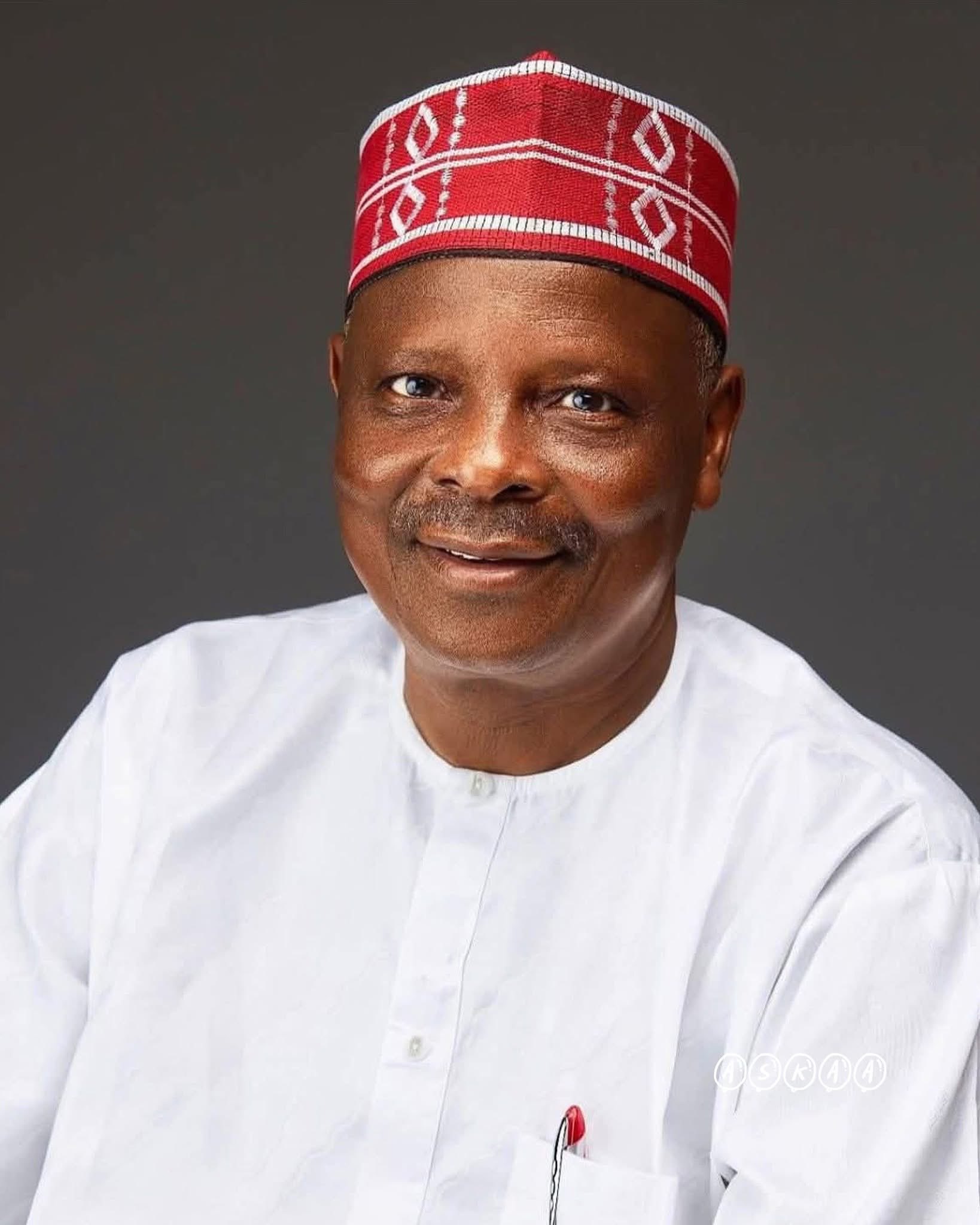
Senator Rabiu Kwankwaso has spent years cultivating political visibility, but visibility is not the same thing as power. Somewhere along the line, noise began to replace leverage, and ambition stopped being anchored to discipline.
His most recent political gamble did not just fail, it peeled back the layers and exposed a harsh truth: past relevance does not automatically translate into present authority.
In 2023, Kwankwaso entered the race powered largely by personal loyalty rather than institutional strength. He took over a fragile platform, dressed it up as a national movement, and sold belief as momentum. The results were sobering. Fourth place in the presidential election, and one tangible prize: Kano State, won through Abba Yusuf.
One state. One governor. No national spread, no deep legislative base, no durable structure beyond personal influence. Yet from that narrow footing, he began to behave like a political heavyweight capable of dictating terms to a ruling party with nationwide reach and entrenched power.
While Kano’s future hung in the balance, his party, NNPP, was unravelling. Factions everywhere, court cases looming, no clear direction. Yusuf’s second-term prospects were already shaky, and time was working against him.
He waited for clarity from his leader. What came instead was hesitation, endless calculation, and demands that felt disconnected from the political moment. Not a strategy. Not caution. Paralysis dressed up as bargaining.
The conditions Kwankwaso reportedly set for joining the APC crossed from ambitious to implausible. Twenty percent of the APC’s national structure and the vice-presidential slot. This from a man who, at that moment, controlled just one state and led a party that barely survived a single electoral cycle.
Asking a sitting president to drop his vice president and surrender a large chunk of his party to your control was not a negotiation rooted in reality. It reflected a profound misreading of power.
What makes this episode particularly painful is that Kwankwaso once understood how influence is built. He was part of the APC from the start. He contested the presidential primary and came second, ahead of Atiku Abubakar, losing only to Muhammadu Buhari.
That was a moment of genuine leverage. A point from which patience, consistency, and internal negotiation could have produced long-term rewards. Instead, impatience took over. He left. Then left again. Eventually, he reduced a political platform to a personal vehicle.
Politics is unforgiving to those who keep moving without building. It does not reward constant exits. It punishes them.
Governor Abba Yusuf’s eventual move to the APC was not an act of rebellion. It was an act of survival. Governors live in the real world of courts, election cycles, party structures, and shifting alliances. When leadership hesitates too long, people protect themselves. Kano did what politics often does. It moved on.
At this point, the comparison is hard to ignore. Between Kwankwaso and Peter Obi, it is difficult to say who most overestimates the weight of their political influence. Both seem trapped in echo chambers where applause is mistaken for power and followership is confused with structure.
Nigerian elections are not won by online energy or moral branding alone. They are won by coalitions, patience, and the slow, often boring work of building structures and political institutions.
Kwankwaso’s next move will likely follow the same familiar arc. A drift toward the African Democratic Congress, ADC, would surprise no one. The party has quietly become a temporary shelter for politicians who feel shortchanged, restless, and unwilling to endure the long grind that real political success demands. A waiting room for ambition that refuses discipline.
This is where such politics often ends. No state to anchor negotiations. No party with coherence. No clear path forward. Just statements, grievances, and the sense that something valuable slipped away.
History will not judge Kwankwaso harshly because he lacked opportunity. It will judge him harshly because he had several and failed to stay long enough to convert them into lasting power. From APP, PDP, APC, then back to PDP, and to NNPP, and now uncertainty, the pattern is clear. Big demands without corresponding leverage. Confidence without anything solid to stand on.
Greed did not only cost him Kano. It exposed the gap between perception and reality. And Nigerian politics, for all its chaos, rarely forgives leaders who confuse yesterday’s applause with today’s authority.
Selah!
Related posts