

Nigeria–US Military Partnership Focuses On Training, Intelligence Sharing, Not Establishment of Military Base ––Defence HQ
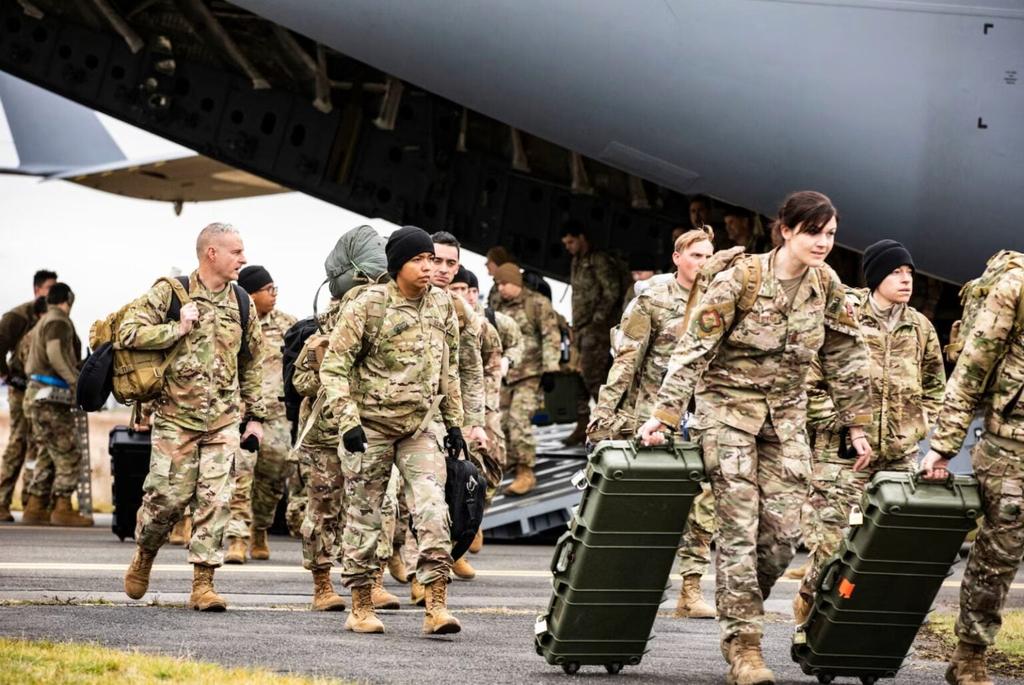
The Director of Defence Information, Defence Headquarters, Major General SM Uba, has clarified the nature of the military relationship between the Nigerian Armed Forces and the United States Army.
During a Twitter Space organized by the Special Adviser to the President on Media and Public Communications, Sunday Dare, Major General Uba stated that the partnership between Nigeria and the United States does not imply the establishment of a United States military base in Nigeria.
He explained that the collaboration is purely based on bilateral military cooperation focused on professional training, operational capacity building, and intelligence sharing to strengthen Nigeria’s security capabilities.
According to him, such cooperation is not unique to the United States alone.
Nigeria maintains similar defence partnerships with several other countries as part of its broader strategy to improve military professionalism and enhance its ability to address contemporary security challenges, including terrorism, insurgency, banditry, and transnational crimes.
He further noted that the engagements involve joint military training exercises, exchange of strategic intelligence, technical cooperation, and knowledge sharing between defence institutions.
These programs are designed to help the Nigerian military adopt global best practices while improving operational efficiency in protecting the nation’s territorial integrity.
Major General Uba emphasized that all international military collaborations involving Nigeria are conducted with full respect for the country’s sovereignty and national interest.
He reassured participants that there are no plans for the establishment of any foreign military base on Nigerian soil.
In his remarks, Mr. Sunday Dare reaffirmed the commitment of the administration of President Bola Ahmed Tinubu to strengthening Nigeria’s defence and security architecture through strategic international partnerships that support capacity building and modernization of the armed forces.
Participants in the discussion acknowledged that in today’s interconnected security environment, collaboration among nations has become essential in tackling complex threats that transcend national borders.
Such partnerships, they noted, contribute to building a more capable and responsive military force while ensuring Nigeria remains in control of its defence policies and operational decisions.
Related posts