
Reparations Or Liberation First?: Africa’s Deeper Demand
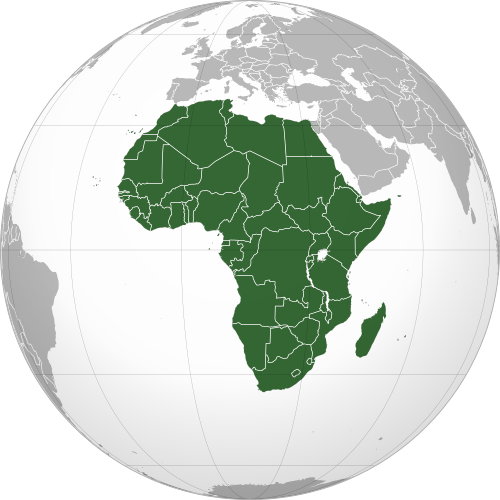
Across the African continent, a renewed call is rising, firm, insistent, and long overdue. Nations like Ghana have stepped forward to demand reparations for the horrors of the transatlantic slave trade, a system that uprooted millions, shattered civilizations, and enriched foreign empires at Africa’s expense. Supported by several Caribbean states and other African countries, this demand is not merely about money, it is about historical justice.
Yet, as the debate intensifies on the global stage, resistance has been equally clear. Countries such as United Kingdom, United States, France, and Netherlands have either rejected or avoided formal commitments to reparations. Their reasons, while diplomatically framed, are not difficult to interpret.
Some argue that the events are too distant in history to impose present-day liability. Others fear the financial implications, reparations could run into trillions of dollars. There is also a political concern: acknowledging reparations might open the floodgates for similar claims across the world. For many of these nations, it is easier to express “regret” than to accept responsibility. But even as Africa demands justice for the past, a more uncomfortable question arises: What will reparations truly achieve in the present condition of African states?
The reality is stark. Many African nations remain entangled in systems and structures that echo colonial control. Political frameworks, economic dependencies, and even leadership pipelines often bear the fingerprints of former colonial powers. In such an environment, any financial compensation risks being absorbed into the same broken systems that have long hindered genuine progress. Reparations, in isolation, may offer symbolic relief, but they cannot fix a system still influenced from the outside.
What Africa needs first is not a cheque. It is freedom in its truest sense. Freedom from external interference in governance. Freedom from economic manipulation disguised as partnership. Freedom from the quiet, persistent shaping of leadership outcomes by foreign interests. There have been repeated accusations and concerns that foreign powers continue to influence political transitions in Africa, sometimes through subtle diplomacy, other times through more destabilizing means. Coups, conflicts, and insecurity across parts of the continent are often viewed, rightly or wrongly, through this lens of external involvement.
At the same time, there is a troubling pattern: leaders perceived as independent or reform-driven often face intense pressure, isolation, or worse. Meanwhile, those who align comfortably with external interests tend to receive support, legitimacy, and protection.
Take figures like Ibrahim Traoré, whose leadership has sparked both admiration and controversy. To many Africans, such individuals represent a desire for a new direction, one less tethered to foreign approval. Whether one agrees with their methods or not, the broader point remains: Africans want the right to determine their own leadership without external coercion. This is where the conversation on reparations must evolve. What good is financial compensation if the systems that enabled exploitation remain intact in a different form? What value is there in billions returned, if decision-making power is highly corrupt, and still remains indirectly controlled?
Before reparations, there must be restoration of sovereignty. Former colonial powers must take a step back, not just rhetorically, but practically. This means: Ending interference in African political processes, refraining from actions that contribute to instability or conflict, allowing African nations to build, fail, learn, and grow on their own terms. At the same time, African leaders must rise to the occasion. The responsibility of dismantling colonial influence does not rest solely on external actors. It demands courage, unity, and a commitment to long-term national interest over short-term personal gain.
Reparations are justified. History demands acknowledgment. But Africa’s future will not be secured by payments alone.
True justice will begin when Africa is not just compensated, but completely unbound.
Ambassador Ezewele Cyril Abionanojie is the author of the book ‘The Enemy Called Corruption’ an award winner of Best Columnist of the year 2020, Giant in Security Support, Statesmanship Integrity & Productivity Award Among others. He is the President of Peace Ambassador Global.
Related posts