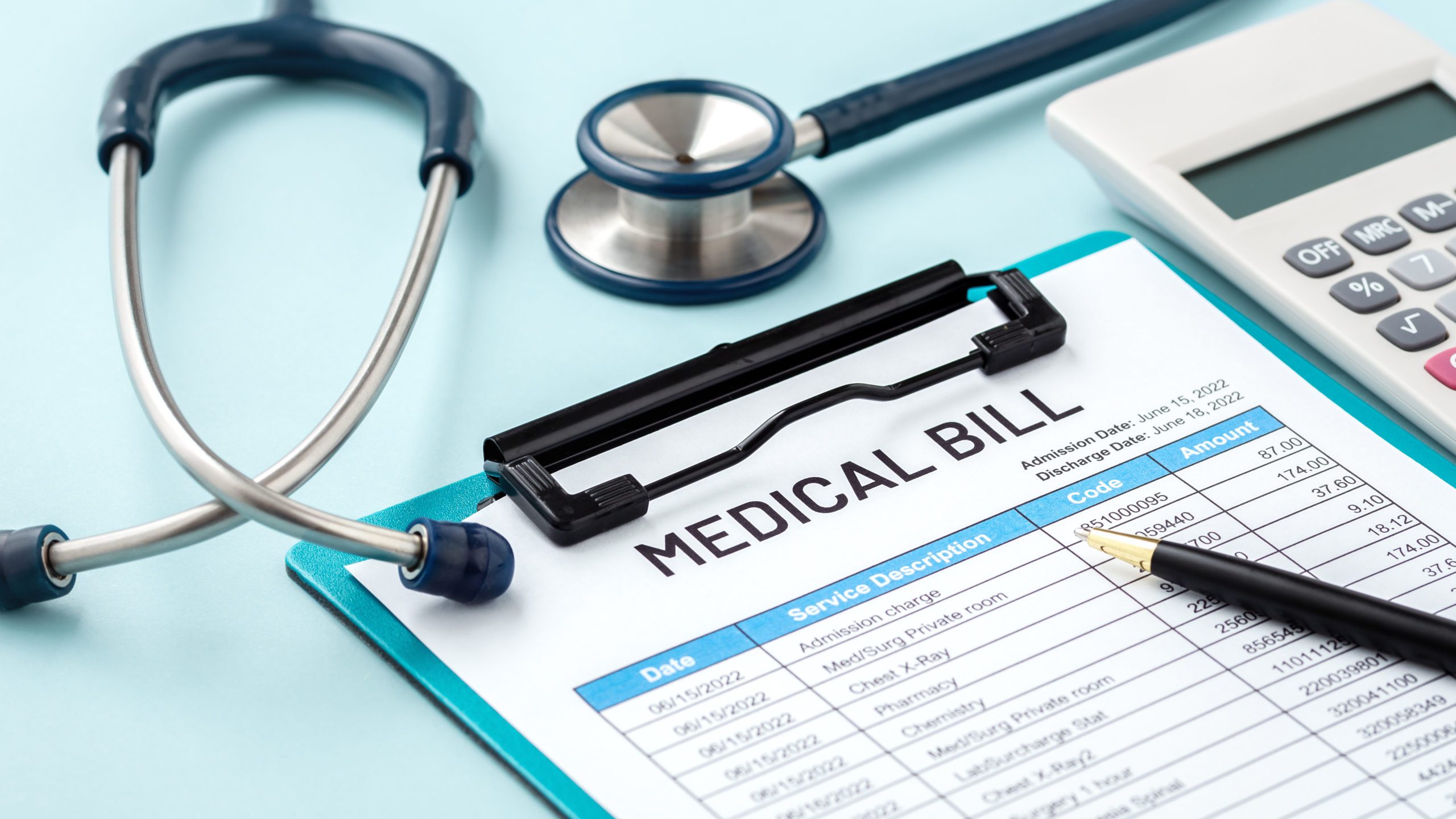
The cost of healthcare in Nigeria has become so severe that some private hospitals in Abuja are now taking security measures to prevent patients from leaving at night without paying, former Kaduna Central Senator *Shehu Sani* has revealed.
In a Facebook post on *Thursday, August 7, 2026*, Sani said he witnessed the new practice during a visit to a private clinic in the Federal Capital Territory.
“Some Abuja private hospitals have started taking security measures to ensure that patients don’t escape at night without completely settling their bills. That’s the case when I visited one of the private clinics today,” he wrote.
He did not name the hospital or detail the security steps, but the post highlights a growing crisis: families who cannot afford to complete treatment are being trapped between illness and debt.
Across the country, patients and relatives say rising costs of drugs, scans, surgery and admission fees are forcing them to abandon care or seek alternatives at home.
“Medical bills are killing Nigerians,” said Mrs. Amina Sule in Lagos, whose 8-year-old son was discharged after they failed to raise ₦450,000 for urgent surgery. “By the time we got half the money, it was too late.”
In Abuja, Mr. John Okoro said his father died of diabetes complications after the hospital demanded ₦1.2 million for dialysis and ICU care. “We sold everything. It was still not enough. We took him home,” he said.
Health workers say hospitals are also under pressure. With inflation, forex challenges, and subsidy removal, the cost of drugs and running hospitals has doubled in 18 months.
A consultant at a federal hospital in Port Harcourt, who asked not to be named, said: “We see patients come in late because they were looking for money. By the time they arrive, what could have been managed has become critical. And those we treat, some cannot pay.”
Data from the National Bureau of Statistics shows out-of-pocket spending still accounts for over 70% of health expenditure in Nigeria. Most families have no insurance and pay directly.
The Nigerian Medical Association and patient groups have urged government to expand the *National Health Insurance Scheme* and regulate prices of essential medicines.
For many Nigerians now, treatment depends on crowdfunding, church donations, and social media appeals.
Back in Lagos, Mrs. Sule still keeps her son’s hospital folder. “Every time I see it, I remember that money decided his fate,” she said. “In this country, if you don’t have money, sickness can kill you.”
Health experts warn that without urgent reforms, more Nigerians will continue to die not from lack of medical solutions, but from inability to pay for them.