
Amb. Igali Highlights Role Of Sociopolitical Groups In Managing Ethnic Tensions & Promoting Unity
Posted on November 14, 2026
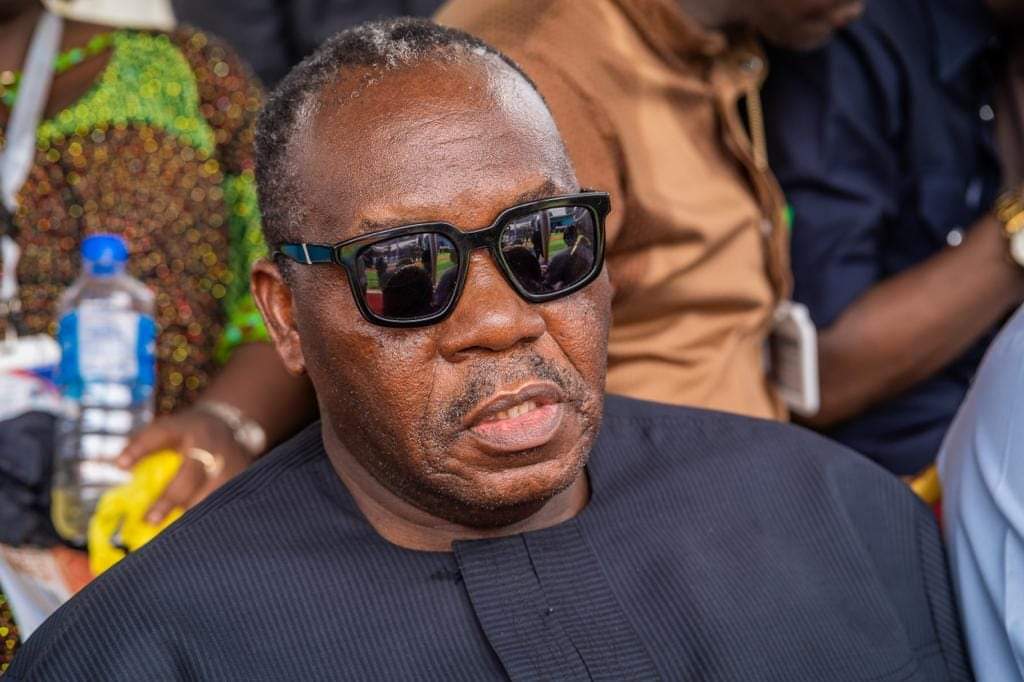
Former Nigerian diplomat and National Chairman of the Pan Niger Delta Forum (PANDEF), Ambassador Godknows Igali, has explained how socio-political organisations across Nigeria have collaborated to manage ethnic tensions and promote national unity ahead of the 2027 general elections.
Igali said organisations, including Afenifere, Ohanaeze Ndigbo, the Middle Belt Forum and the Pan Niger Delta Forum (PANDEF), had established a common platform known as the Southern and Middle Belt Forum to advance discussions on issues affecting their regions.
He explained that the forum was formed following disagreements between southern and northern socio-political leaders over an inflammatory statement allegedly made by an official of the Northern Elders Forum during an election period.
According to him, prominent leaders, including the late Chief Edwin Clark, Chief Ayo Adebanjo, Professor George Obiozor and Colonel Dan Suleiman, had approached northern leaders to demand an apology from the individual over the statement.
Igali said the failure to receive an apology prompted the southern and Middle Belt leaders to strengthen their cooperation through the formation of the regional alliance.
He however, noted that the development did not permanently end engagements with northern groups, as the leaders had continued to maintain relationships and consult one another.
He said the Southern and Middle Belt Forum initially met every two months and also maintained engagements with the Arewa Consultative Forum.
Igali added that relations between the regional organisations and northern groups had continued, with leaders attending one another’s activities and maintaining channels of communication.
“With the Southern and Middle Belt Forum, the Northern Elders Forum and AREWA, we still talk. We attend each other’s activities, we encourage each other, and we have a consultative arrangement,” he said.
He explained that the consultative arrangement provided an avenue for leaders to address inflammatory statements whenever they emerged and prevent them from escalating ethnic tensions.
“When these inflammatory statements take place, we expect our people to talk to each other so that they don’t overheat,” he added.
Igali further explained that although the organisations represented different regional interests, their collaboration had extended to issues of insecurity and the protection of vulnerable communities.
He cited instances where youths from the Niger Delta travelled to Benue and Plateau states to express solidarity with communities facing security challenges.
According to him, such interventions reflected the understanding that security and peace in one part of the country were important to the stability of the entire nation.
“Because we are one country, and we have to have peace around the country,” he said.
Igali stressed that in a diverse country like Nigeria, dialogue remains the most powerful tool for managing differences, noting that socio-political groups have a responsibility to douse tension, promote understanding and remind politicians and citizens alike that no election is worth the blood of any Nigerian.
As the 2027 general elections draw closer, he expressed optimism that sustained engagement among regional leaders would help to keep the polity calm, encourage issue-based campaigns and strengthen national unity.
Related posts