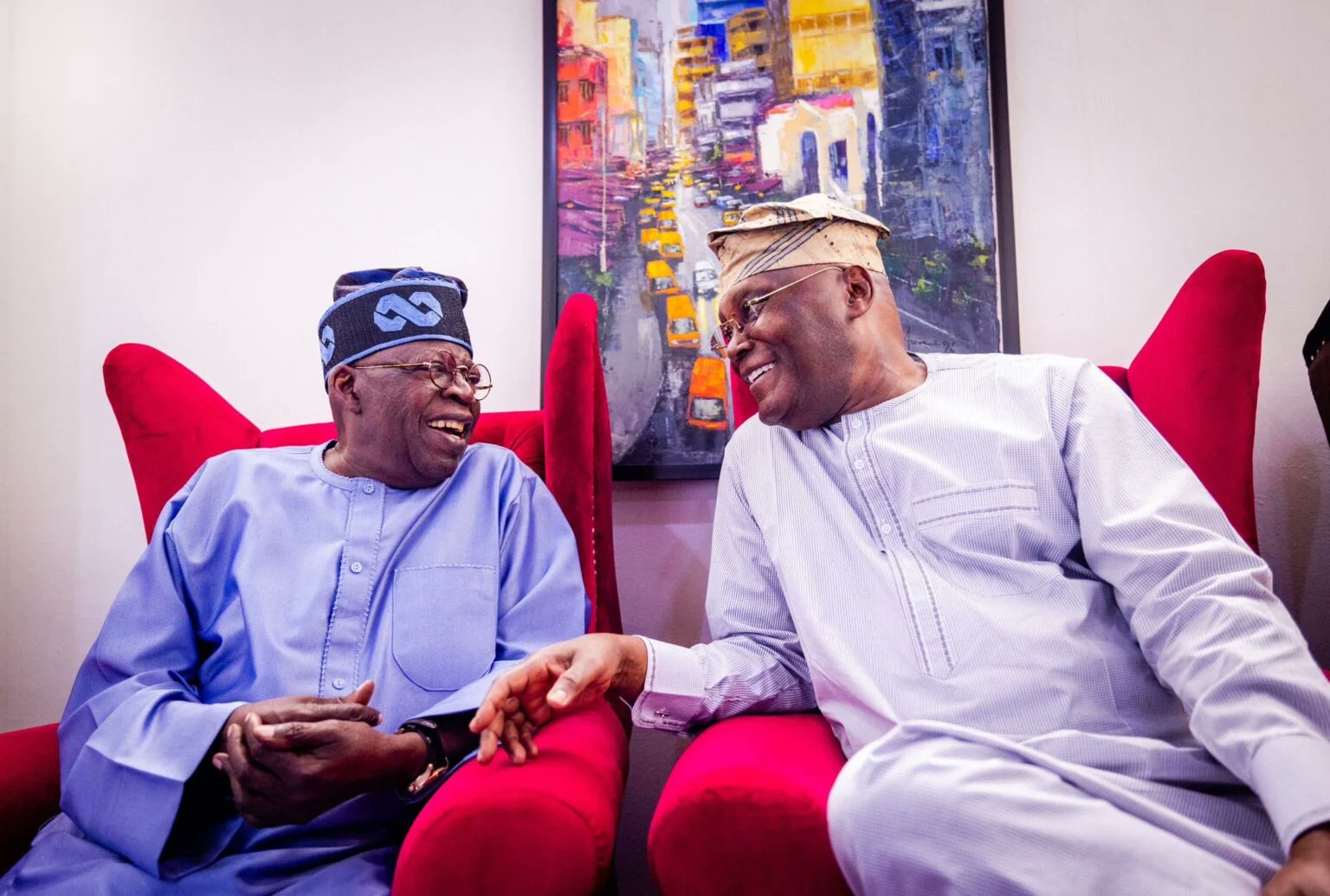


ADC FELLOWS Takes Nigeria’s Democracy Concerns to Washington, Raises Alarm Over Alleged Victimisation of Opposition Ahead of Osun Election
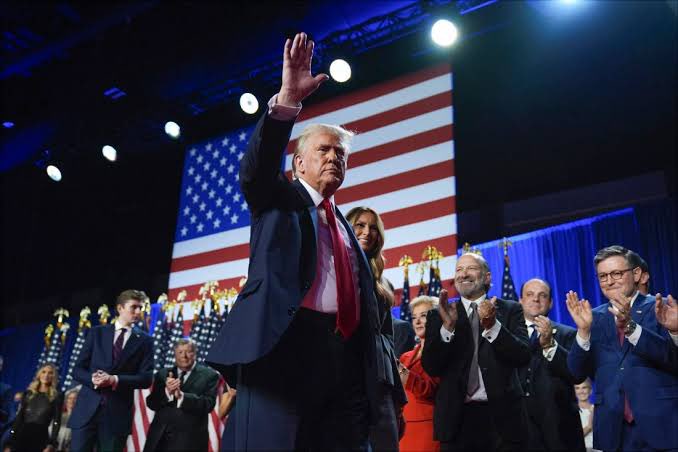
ADC FELLOWS, a political movement committed to the development, protection and advancement of democracy in Nigeria, has petitioned the President of the United States, **Donald J. Trump*, over what it describes as the growing victimisation, intimidation, arrest and detention of opposition political actors in Nigeria.
The movement said its decision to bring the matter to the attention of the American President, and the international community was driven by what it considers a dangerous development in Nigeria’s democratic environment, particularly ahead of the forthcoming *Osun State governorship election*.
According to ADC FELLOWS, the alleged pattern of political victimisation, coupled with what it describes as the deployment of security institutions against opposition actors, has raised serious questions about the ability of opposition parties and their candidates to participate freely and fairly in Nigeria’s electoral process.
The movement said it is particularly concerned about allegations that the *Federal Government is using security agencies, including the Nigeria Police Force, to harass, intimidate, arrest or otherwise weaken political opponents and opposition structures*.
ADC FELLOWS stressed that its petition is not merely about individual politicians but about the broader question of whether Nigeria’s democratic institutions are sufficiently protected from political interference.
The movement considers the forthcoming Osun State governorship election particularly important because of the strategic role the state plays in Nigeria’s political development and the intensity of political competition surrounding the election.
ADC FELLOWS argues that the credibility of an election cannot be determined only by what happens on election day.
According to the movement, the political environment leading to an election must also guarantee *freedom of association, freedom of movement, freedom of expression, peaceful political mobilisation, equal treatment of candidates and opposition parties, and protection from arbitrary arrest or intimidation*.
It therefore believes that any attempt to weaken opposition parties before voters go to the polls could undermine confidence in the electoral process and ultimately damage the credibility of the election.
The movement’s petition reportedly draws attention to opposition leaders and political actors whom it says have faced various forms of pressure, including arrest, detention, intimidation and threats.
ADC FELLOWS is calling for the circumstances surrounding such cases to be independently examined and for Nigerian authorities to ensure that law-enforcement institutions operate professionally and without partisan political influence.
One of the central concerns raised by ADC FELLOWS is the alleged use of the police and other state institutions in political disputes.
The movement maintains that security agencies have a legitimate constitutional responsibility to protect citizens, maintain public order and enforce the law.
However, it argues that these powers must never be used to suppress legitimate political opposition or interfere with electoral competition.
ADC FELLOWS therefore wants greater scrutiny of the conduct of security institutions during the electoral period, particularly in situations involving opposition politicians and candidates.
The movement believes that where criminal allegations exist against any politician, such allegations should be investigated and prosecuted through *due process, transparent procedures and judicial oversight*, rather than allowing arrest or detention to become a tool for political intimidation.
ADC FELLOWS said its intervention should not be interpreted as a campaign for any particular individual.
Rather, the movement says it is defending a democratic principle that should protect every Nigerian political party.
The movement’s position is that an attack on one opposition party today could become an attack on another party tomorrow.
“Democracy cannot survive when political competition is replaced by fear,” is the central message behind the initiative.
ADC FELLOWS believes that Nigeria’s democracy requires a strong and vibrant opposition capable of questioning government policies, mobilising citizens and presenting alternative programmes to voters.
Without effective opposition, the movement argues, elections could gradually lose their competitive character, and citizens could be deprived of meaningful political choices.
The decision to petition President Donald Trump reflects ADC FELLOWS’ desire to place Nigeria’s democratic challenges within the wider international conversation about democratic governance, human rights and the rule of law.
The United States has historically maintained strong interest in democratic governance and electoral integrity in countries where it has diplomatic and development relationships.
By taking its concerns to Washington, ADC FELLOWS is asking the international community to pay closer attention to the political environment in Nigeria as the country approaches another important electoral cycle.
The movement wants international observers, democratic institutions and civil society organisations to monitor developments carefully and encourage Nigerian authorities to protect political freedoms and the integrity of the electoral process.
Perhaps the most significant aspect of the petition is its timing.
ADC FELLOWS is raising its concerns before the election, rather than waiting until after voting has taken place.
The movement argues that preventing electoral irregularities and political intimidation is more important than investigating them after an election has already been concluded.
It therefore wants all political parties, security agencies, electoral institutions and government authorities to recognise that the credibility of the Osun election will depend not only on the final results but also on whether all contestants are given a fair opportunity to compete.
ADC FELLOWS is calling on the Federal Government to ensure that security agencies remain politically neutral and that no opposition candidate or political organisation is subjected to unlawful harassment because of its political affiliation.
It is also urging the judiciary and other relevant institutions to ensure that allegations against political actors are handled transparently and in accordance with Nigerian law.
The movement further wants civil society organisations, the media and international partners to maintain close attention to developments affecting political freedoms in Nigeria.
The controversy surrounding the treatment of opposition actors, according to ADC FELLOWS, presents a broader test for Nigeria’s democracy.
The movement believes that the true strength of a democracy is not demonstrated by how government treats its supporters, but by how it treats its critics and political opponents.
It argues that a government confident in its democratic mandate should have no reason to fear peaceful opposition, political criticism or electoral competition.
For ADC FELLOWS, therefore, the Osun governorship election represents more than a contest for political office. It is also an opportunity for Nigeria to demonstrate to its citizens and the international community that its democratic institutions can guarantee *free political participation, equal treatment, due process and credible elections*.
By petitioning President Donald Trump, ADC FELLOWS says it is seeking international attention to what it regards as a serious democratic concern before it becomes an even greater crisis.
The movement maintains that its objective is not to invite foreign interference in Nigeria’s domestic politics, but to draw attention to universal democratic principles and encourage greater respect for the rule of law.
Its message is directed not only at the Federal Government but also at opposition parties, civil society, the media and ordinary Nigerians.
Democracy, ADC FELLOWS argues, must be defended before it is damaged — not mourned after it has been weakened.
As Nigeria moves towards another critical electoral period, the movement’s petition places a fundamental question before the country: Can Nigeria guarantee every political party and every candidate the freedom to compete without intimidation, unlawful victimisation or abuse of state institutions?
Related posts