

African Development Bank Launches African Debt Managers Initiative Network
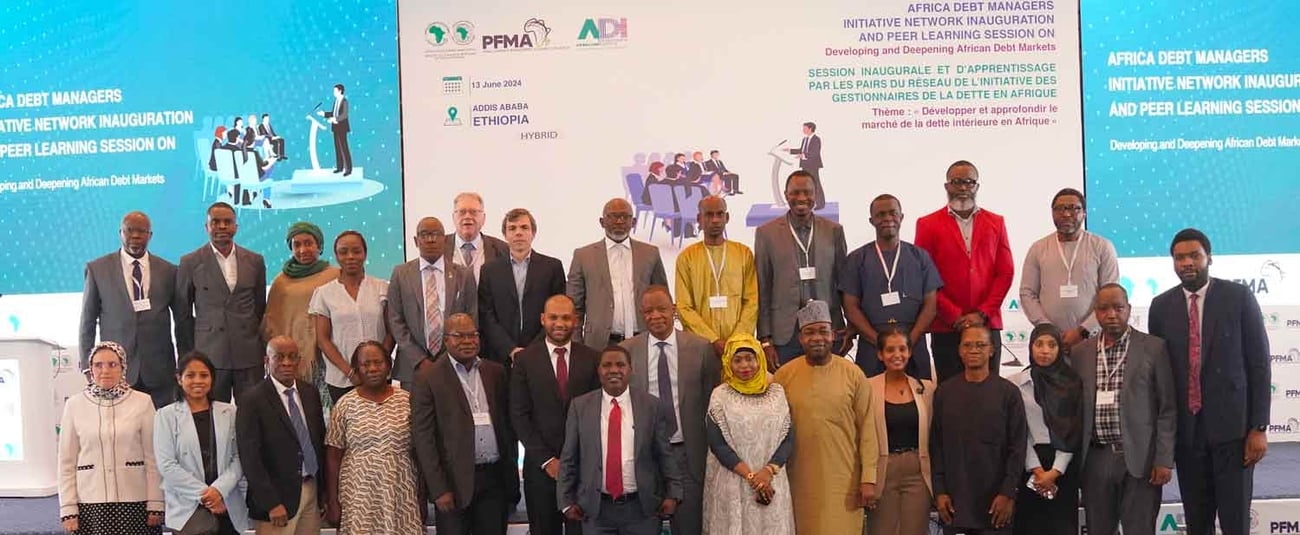
The African Development Bank’s African Development Institute on Thursday launched the African Debt Managers Initiative Network (ADMIN), a new program to provide home-grown solutions to Africa’s debt challenges.
The inauguration and first peer learning event took place in Addis Ababa under the theme: Developing and Deepening Domestic Debt Markets in Africa.
African Development Bank, Director Coulibaly Abdoulaye said the network would provide tailored and home-grown solutions to the continent’s debt challenges.
He said the network would also strengthen the debt management capacity of African countries’ officials and institutions to rapidly resolve the debt challenges faced by these countries, restore macroeconomic stability and support inclusive growth, as well as promoting the exchange of experiences among debt managers in regional member countries.
African Development Institute Director, Eric Ogunleye, said that the growing financing needs for infrastructure development, poverty reduction, mitigating climate change, and tackling insecurity are driving African countries to increase their borrowing, further increasing debt vulnerability.
He said rising debt vulnerability and weak debt management capacity in many African countries have continued to worsen macroeconomic outcomes and hamper effective policy responses to shocks, exacerbating debt distress in some countries.
“There is, therefore, a growing need to strengthen debt management capacity in African countries,” Ogunleye told participants.
As of 30 April 2024, of the 38 African countries for which debt sustainability assessment data are available, 13 countries are at high risk of debt distress and 6 are already in debt distress, Ogunleye said. A larger share of African debt is now owed to external bondholders and creditors outside the Paris Club who deal directly with debtor countries; this high-cost debt imposes a significant burden of debt servicing on African countries averaging 18 percent of total government revenue, he explained.
The meeting underscored how developing an African domestic debt market has been identified as a way in which the continent can develop cheaper and more stable sources of debt financing for its many development needs.
Discussions focused on sound debt management frameworks, networking, and peer learning to support the development and deepening of domestic debt markets in Africa to promote debt sustainability.
Former Director of Debt Management at South Africa’s National Treasury, Johan Krynauw, encouraged African countries to work more closely together to promote knowledge-sharing and support each other on debt management issues.
“In recent years, there have been many institutional initiatives from outside the continent to help African countries. The question is always why it did not work, and why we still have public finance and debt management problems today,” Krynauw said.
Africa has reached a stage where it has enough skills, knowledge, and experience to determine what works for its countries.
“Context matters and we need to find solutions to local problems. That was one of the reasons the initiative was created for public debt managers in Africa to work together. The question has always been where African debt managers can work together,” Krynauw said.
Jean Yves Naka, Director of Research and Strategy at the Bourse Régionale des Valeurs Mobilières or BRVM, the regional stock exchange of the West African Monetary Union, underlined the importance of domestic markets.
“Debt vulnerability remains a major challenge for African countries, especially in achieving development goals such as the United Nations Sustainable Development Goals and the African Union’s Agenda 2063. However, the development of the African domestic debt market is one way to better address the situation,” he said.
The session was attended by debt managers and heads of debt management offices in Africa, capital market operators, commercial bankers, and regulators, including securities and exchange commissions and central banks. They shared practical ways to develop and deepen domestic debt markets on the continent and offered lessons for countries that have either nascent or no domestic debt markets to consider how to develop or deepen them.
Related posts