

Child Protection Network Marks Day Of The African Child In Style
CYRIACUS IZUEKWE
A Civil Society Organisation, Child Protection Network, CPN, Lagos State Chapter, on Wednesday marked the Day of the African Child to create awareness on the plight of children in Nigeria and indeed African society.
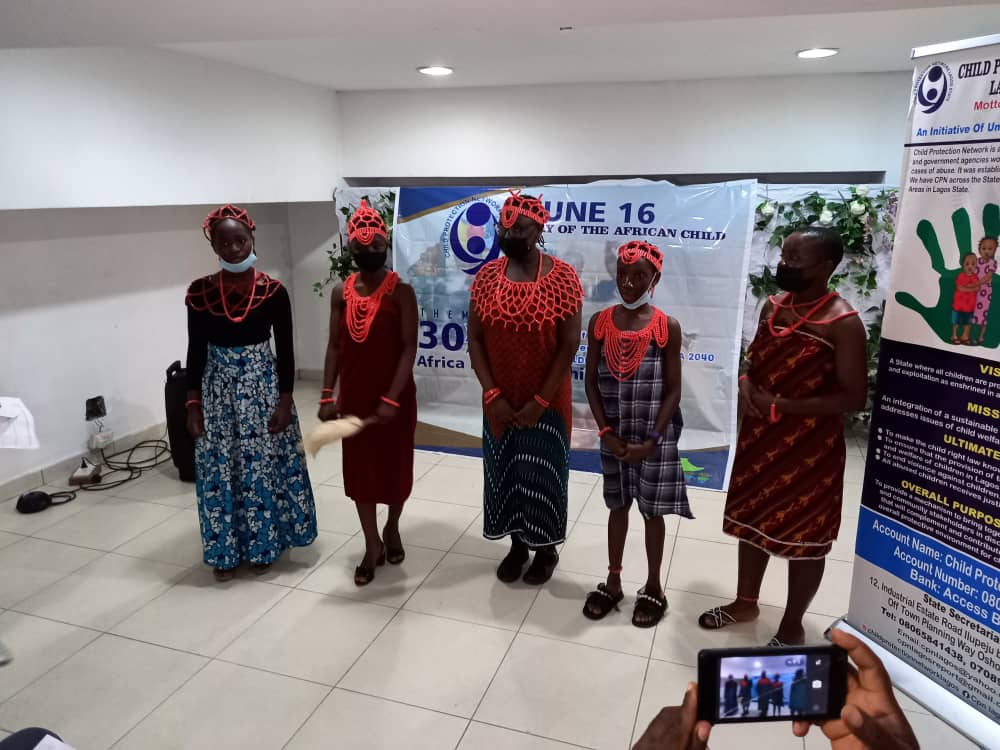
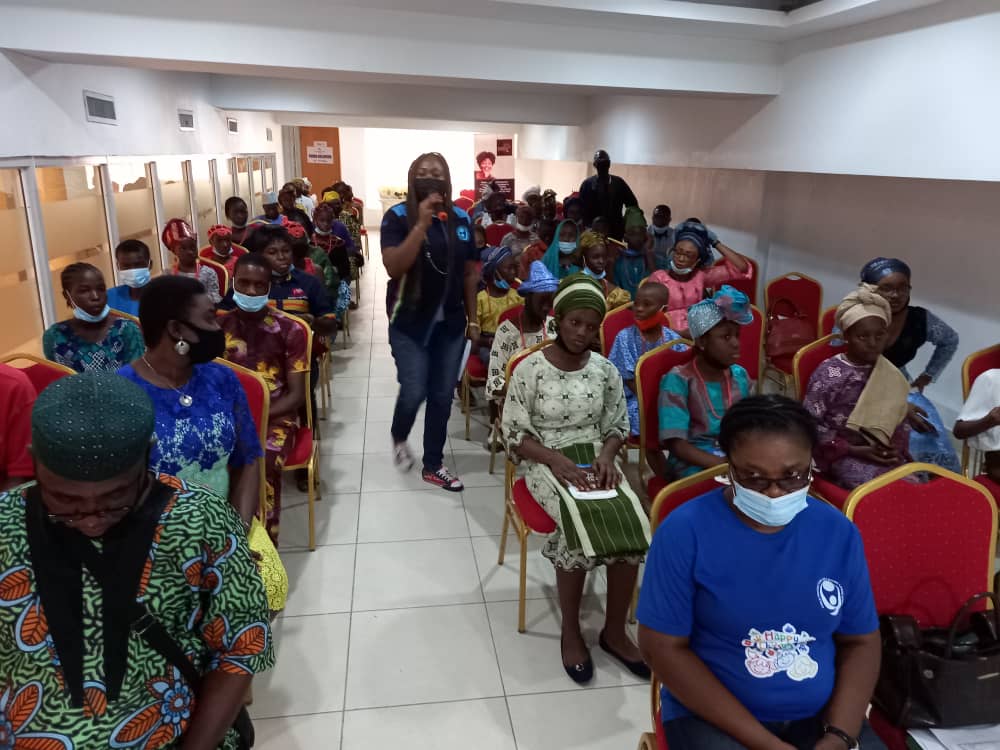
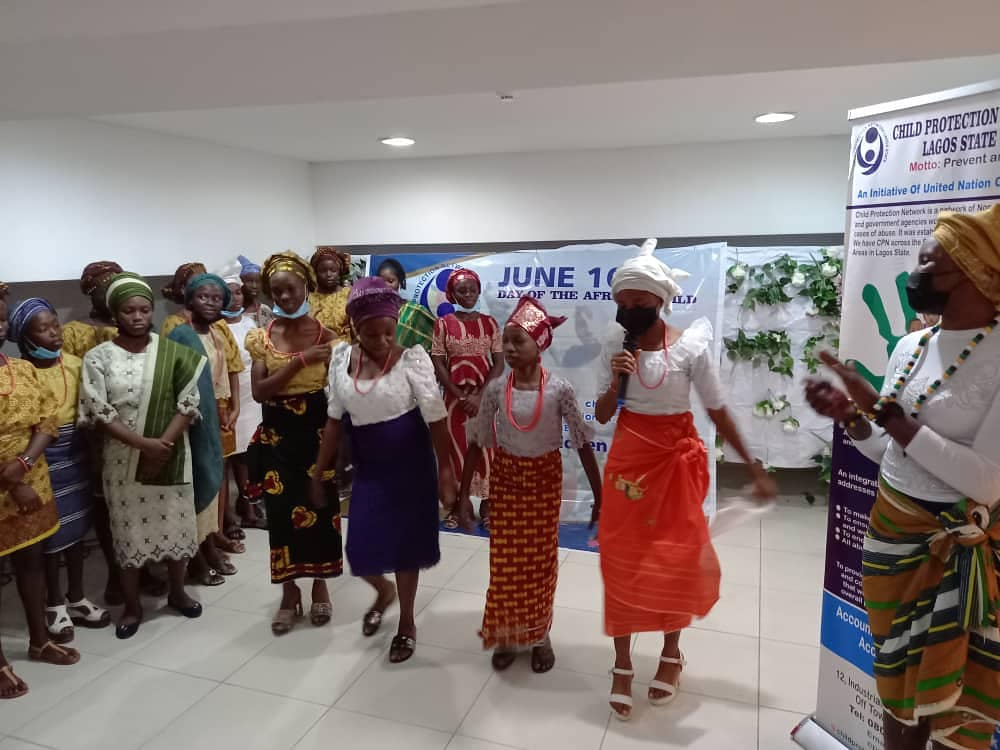
P.M.EXPRESS reports that the event, which was held at Fountain of Life Church of Pastor Bimbo Odukoya Foundation Hall, in Ilupeju, Lagos, witnessed the presence of some children from various schools across the State with their various cultural dresses and attires displaying their talents.
The Lagos State Coordinator of CPN, Mrs. Aderonke Oyelankin, in her address at the event organized in conjunction with Pastor Bimbo Odukoya Foundation, explained that the major existence of CPN is to ensure wellness and protection of the children in the society and it was pertinent to join the world to celebrate the African children on this special day with the theme:” 30 years after the adoption of the Charter: accelerate the implementation of Agenda 2040 for an Africa fit for children”.
She said Day of African Children, DAC, started on June 16, 1976, when nearly 10,000 black students from Soweto, South Africa, marched the streets to protest the poor quality of their education. They marched to demonstrate their disapproval of the Black Education Act, which segregated students based on their race.
She recalled while the protest was going on, hundreds of innocent students were shot by security forces. And in the two weeks of protest that followed, dubbed the Soweto Uprising, more than a hundred students were killed and thousands were badly injured.
Due to this, since 1991, the Day of the African Child has been celebrated on June 16 to commemorate those killed during the Soweto Uprising in South Africa, and to recognize the courage of the students who marched for their right to education.
Mrs. Oyelankin stated it was important for CPN to use the day event – DAC, to raise awareness on the need to improve the quality and access to free education of children living across Africa.
“It is a need that still very much exists today even in Lagos State. Out of the 57 million Primary School-age children currently out of school around the world, over half of them are from sub-Saharan Africa. Educating children lifts them out of poverty, so, it should not be compromised in their lives irrespective of the situation or circumstance around them.”
She noted there are several reasons children go uneducated, which include parents inability to afford the children’s school fees; economic hardship, distance to the nearest school, early marriage which usually, keep girls from the classroom and others. She believes with determined efforts and good supports, all these are surmountable because children are active members of society that need the support of everyone to achieve their potentials.
“Though progress has been made since the Soweto uprising, but 1 in 10 children are still missing from the classroom. This is a call to all child advocates to know that much more work needs to be done to ensure all children are given a quality education.”
The theme for this year’s celebration was selected by the African Committee of Experts on the Rights and Welfare of the Child (Committee), established under Articles 32 and 33 of the African Charter on the Rights and Welfare of the Child (the Charter) for the commemoration of the DAC in 2021.
And as we celebrate this day in line with this theme, let us also bear in mind, the 2040 agenda for the African children which are:
Aspiration 1: The African Children’s Charter, as supervised by the African Children’s Committee, provides an effective continental framework for advancing children’s rights.
Aspiration 2: An effective child-friendly national legislative, policy and institutional framework is in place in all Member States.
Aspiration 3: Every child’s birth and other vital statistics are registered.
Aspiration 4: Every child survives and has a healthy childhood.
Aspiration 5: Every child grows up well-nourished and with access to the necessities of life.
Aspiration 6: Every child benefits fully from quality education.
Aspiration 7: Every child is protected against violence, exploitation, neglect, and abuse.
Aspiration 8: Children benefit from a child-sensitive criminal system.
Aspiration 9: Every child is free from the impact of armed conflicts and other disasters or emergency situations.
Aspiration 10: African children’s views matter.
Some of the children expressed their mind on the challenges they are facing in the society which including absence of freedom of expression, professional choice, forcing them to early marriages among others.
Related posts