

Ensuring Food Safety In Central & West Africa: Preparedness From Farm To Table
In Central and West Africa, ensuring food safety is a multifaceted challenge. According to the World Health Organisation (WHO), about 98% of the food safety burden comes from underdeveloped nations, with Africa reporting many deaths and hospitalisations related to food safety issues.
To address these challenges, a holistic approach is required, involving multiple stakeholders starting with Food and Beverages companies.
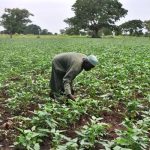
Nestlé is deeply committed to ensuring the safety of its products in Central and West Africa. The company’s commitment begins at the source, working closely with local farmers to ensure sustainable and safe agricultural practices. The company also conducts rigorous audits of its suppliers to ensure compliance with food safety standards.
“At Nestlé, the safety and quality of our products are paramount. Every product must meet the highest standards of safety from farm to table. By working closely with farmers and suppliers, rigorously testing products, and continually improving processes, we are committed to keep providing consumers with safe, nutritious, and high-quality food”, Mauricio Alarcón, CEO Nestlé Central and West Africa.
Once raw materials reach the company’s manufacturing facilities, they undergo stringent quality checks at every stage of production. Advanced technologies are utilised to detect and eliminate potential contaminants.
Furthermore, the company invests heavily in employee training, fostering a culture of food safety and vigilance. By maintaining transparency with consumers through clear labelling and communication, the company empowers customers to make informed decisions and choices.
Additionally, the company invests significantly in research and development to stay ahead of potential food safety challenges. By leveraging the latest scientific advancements and collaborating with industry experts, it is well-equipped to respond to new threats and ensure the ongoing safety of its products.
“By adopting comprehensive food safety practices and being vigilant at every stage of the food chain we can ensure that the food we consume is safe and healthy. This commitment not only protects public health but also supports economic growth and sustainable development in the region”, Mauricio added.
World Food Safety Day emphasizes the importance of being prepared for food safety incidents, highlighting the need for coordinated efforts from all stakeholders in Central and West Africa.
Related posts