

From Campus Sponsorships to Retweets – How Nigerian Youths Are Approaching X Negotiations
Young Nigerians have always found ways to secure support for the things they want. The methods change with time and technology, but the core idea remains the same: find a way to get the attention of those with resources and make a case for why they must support.
But make no mistake, they are bold enough to do exactly what they want, with or without that support. It is the audacity of the young Nigerian – unrivalled anywhere in the world.
In the 1950s, Olabisi ‘Ajala the traveller’ Ajala got on a Vespa and traveled the world in his 20s. He started with a 28-day trip from Chicago to Los Angeles. That was the beginning of a fire being lit (there are thousands more audacious scenarios before him, by the way)
By the 1980s, university students organised cultural weeks and campus events. They approached companies with a straightforward pitch: sponsor our concerts and productions, and in return, you gain access to a young, educated audience. Some companies bought into the idea. Others offered token support and moved on.
By the 1990s, this evolved into campus ambassador programmes. Companies and other brands began recruiting students to promote their products within universities. The financial rewards were often minimal, but the value was in access, visibility, and a potential pathway into corporate spaces meant for the ultra-conservative older adults and institutions with deep pockets
In the 2000s, the model became more structured and commercial. Shows like Nigerian Idol, Project Fame, and Big Brother Naija reflected a more formalised relationship between youth culture and corporate Nigeria. Brands, including MTN, Pepsi and others invested heavily in entertainment, from music festivals to football tournaments, aligning themselves with platforms that already had youth attention.
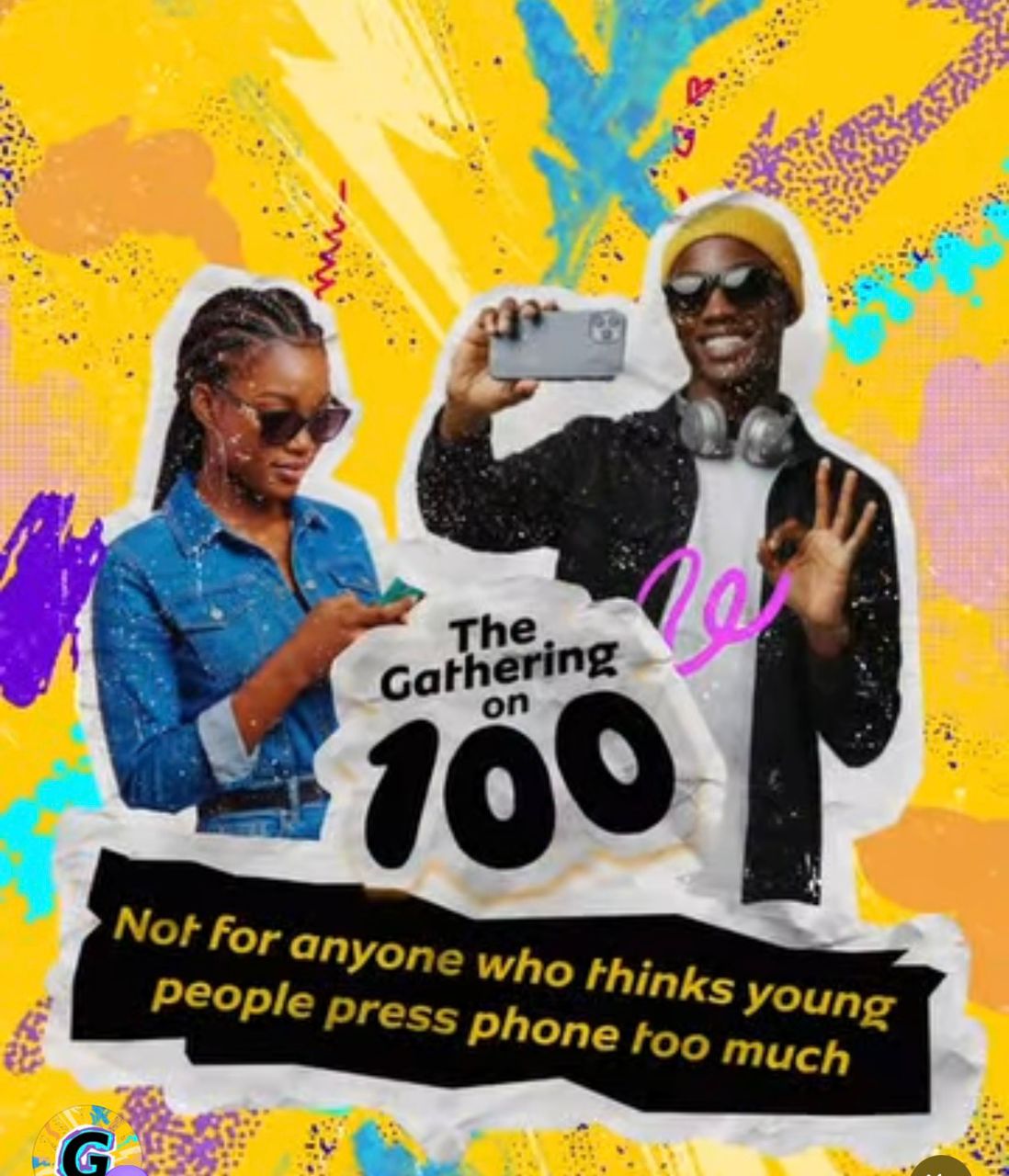
For years, companies largely dictated what received support. They identified trends and inserted themselves where it made sense. The retweet challenge by The Gathering shifts that dynamic. A youth collective put forward an idea and made the ask publicly. MTN responded with a condition: reach ten thousand retweets. The decision now sits with the community.
There have been moments in Nigeria where this kind of shift has happened before. In 2012, a group of young programmers pushed for government support for a technology conference. Without institutional backing, they relied on public interest and persistence. Eventually, they secured a venue. In 2018, independent fashion designers crowdfunded a showcase through social media. The scale was modest, but the ownership was clear.
The Gathering On 100 sits somewhere between these examples. A group of young Nigerians called The Gathering decided to create a safe space for others. No jargons, or too many words. They have videos from the likes of Hauwa, SalemKing, Shnookums, Ayanfe, Julie_adaugo, two_glazzes, og_abbah, akwa_crocs, and Meshkiey, showing what ‘adulting’ in Nigeria feels like.
Now, the youth movement is planning what may be the country’s largest gathering of young Nigerians. Again – audacity on display. And they have asked arguably one of the continent’s biggest companies for support. With this, MTN is now part of an open conversation, and the outcome is tied to a visible metric.
Whether this movement achieves its goal is only part of the story. More significant is what it represents: another evolution in how Nigerians organise and make demands.
What happens next remains uncertain. Nigerian youth movements have produced both fleeting and lasting impact. The next step depends on whether the community can meet the mark and follow through.
Related posts