KINGSLEY EBERE
For more than a decade, Anambra State carried a damaging reputation online and offline. The phrase “Ogwu Ego” — literally “money ritual” — became associated with the state in news reports, social media commentary, and popular culture.
The narrative suggested that unexplained wealth in Anambra was tied to diabolical practices. The result was fear, stigma, and a hit to investment and social perception.
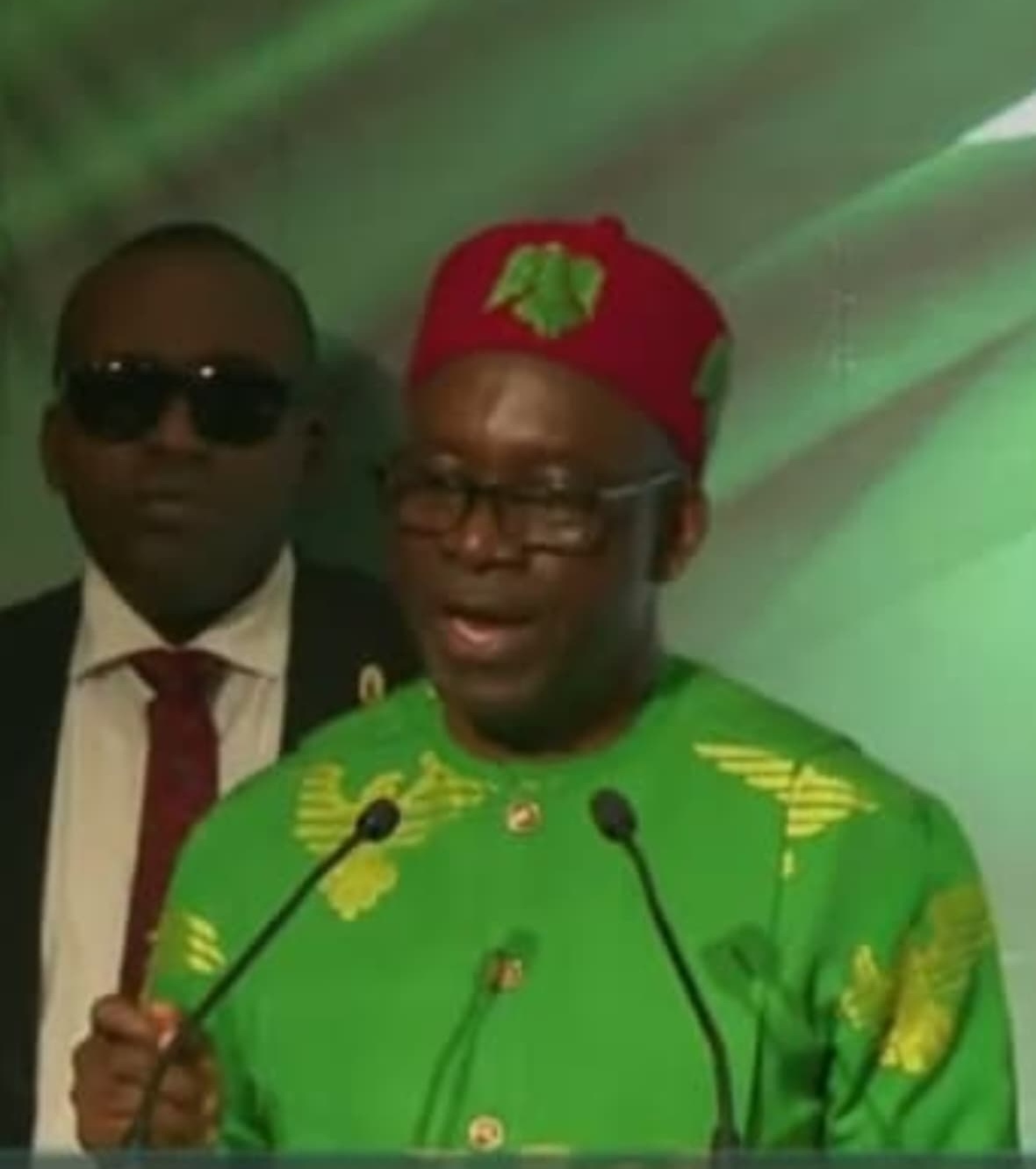
Since assuming office in 2022, the Executive Governor, Professor Chukwuma Charles Soludo, has made the demystification of that myth a central part of his governance agenda. Through a combination of security operations, legislation, and public reorientation, the Soludo administration has worked to separate criminal activity from the identity of Ndi Anambra.
Here is how the government approached it.
1. ADDRESSING THE ROOT: SECURITY CRACKDOWN THROUGH OPERATION UDO GA ACHỊ
One of the first actions of the Soludo administration was to confront rising insecurity that was often mislabeled as “Ogwu Ego”-related.
The state launched Operation Udo Ga Achị, meaning “Peace Shall Reign.” The joint security taskforce, working with the Nigeria Police, DSS, and local vigilantes, targeted forests, uncompleted buildings, and criminal hideouts across 8 local government areas previously identified as hotspots.
According to statements from the Anambra State Government, the operation led to the dismantling of several criminal camps and the arrest of suspects linked to kidnapping and armed robbery — crimes that were sometimes wrongly framed as “Ogwu Ego” by the public.
Night travel and business activities gradually returned to major corridors including the Onitsha-Awka-Enugu expressway. The goal was to restore order so that legitimate businesses could thrive.
2. THE LEGAL FRAMEWORK: ANAMBRA STATE HOMELAND SECURITY LAW 2023
In 2023, Governor Soludo signed the Anambra State Homeland Security Law. A key part of the law addressed the promotion and practice of fraudulent spiritual claims.
Under the law:
– Native doctors and spiritualists are required to register with their local government and traditional rulers.
– Promotion of “quick money” charms and criminal activities through native practice is criminalized, with penalties including up to 10 years imprisonment.
– Community vigilante groups were restructured and brought under a coordinated state command for better accountability.
The Anambra State Government stated that the law was not targeted at traditional religion, but at individuals using superstition to enable fraud, kidnapping, and extortion.
3. VALUES REORIENTATION: PROMOTING “IGBA BOYI” OVER SHORTCUTS
Beyond enforcement, the administration launched a public enlightenment campaign centered on Anambra’s culture of hard work and apprenticeship, known as “Igba Boyi.”
Through town hall meetings, school programmes, church engagements, and media campaigns, government officials and traditional rulers emphasized that wealth in Anambra has historically come from trade, industry, and skill — not shortcuts.
The state also expanded support for SMEs, technical education, and youth empowerment programmes to provide economic alternatives for young people.
Governor Soludo has repeatedly stated in public forums that “Anambra’s brand is industry and enterprise. We must protect that brand from criminals and from false narratives.”
4. WHAT HAS CHANGED: PERCEPTION AND DATA
Three years into the administration, observers noted a shift.
Security reports indicate a significant reduction in kidnapping and violent crime compared to 2021-2022 levels. Traditional rulers across the state have publicly denounced fake native doctors. Media coverage of Anambra has increasingly focused on infrastructure projects, the new Government House, and the state’s clean and green initiative.
A trader at Onitsha Main Market, Mrs. Ngozi Eze, said: “Before, people would ask you twice if you are really from Anambra. Now we talk about roads, markets, and business again. That is who we are.”
Governor Soludo’s approach did not claim that all crime had ended. Instead, it targeted the myth that criminality defines Anambra.
By combining law enforcement, clear legislation, and cultural reorientation, the administration has worked to demystify the “Ogwu Ego” narrative and reposition Anambra around its core values of industry, education, and community.
As of 2026, the conversation around Anambra is slowly changing — from fear of “Ogwu Ego” to focus on development and governance.