


In-App Fare Negotiation Can Expand Mobility Access, Reduce Inefficiencies, New Research Shows
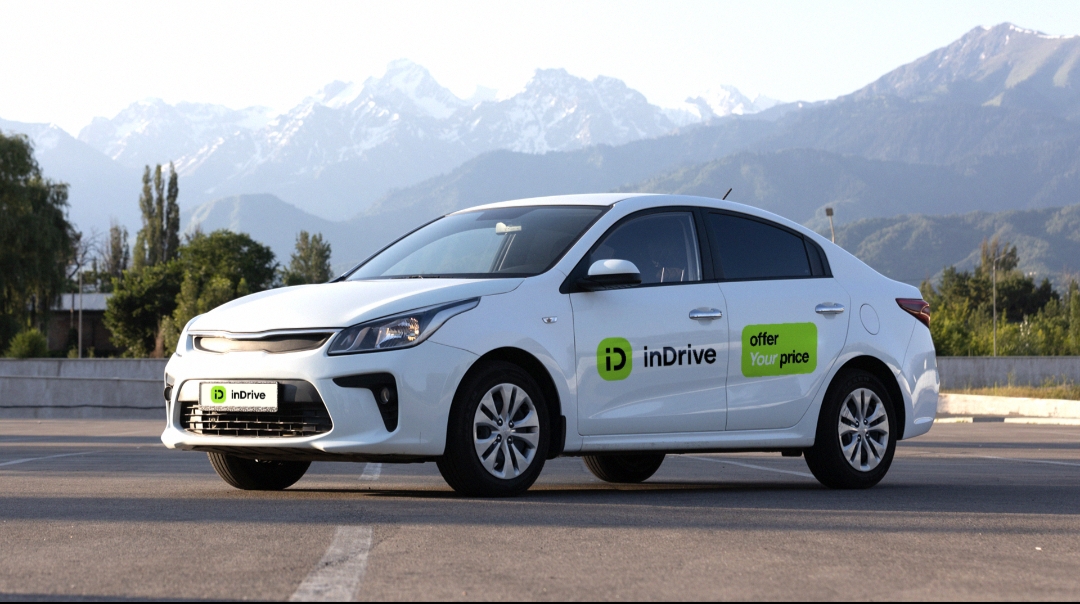
New research released today by Oxford Economics shows that enabling riders and drivers to negotiate fares directly within mobility apps can improve price discovery, boost efficiency, and expand access to transportation.
Conducted in collaboration with inDrive – the world’s second-most-downloaded ride-hailing app – the study draws on survey data from riders and drivers across seven emerging markets: Colombia, Egypt, Mexico, Morocco, Nepal, Pakistan, and Peru.
The findings suggest that while ride-hailing platforms have significantly improved mobility over the past two decades through algorithmic matching and dynamic pricing, existing pricing systems struggle to fully capture the diversity of rider and driver preferences.
While algorithmic pricing is typically designed to optimise for average market conditions, it doesn’t serve well the wide variations in incomes, trip distances, and travel circumstances across emerging markets.
As a result, a single algorithmic price can fail to reflect the true value of a trip for either party, leaving mutually beneficial rides unrealised and some areas underserved by mobility solutions.
In-app fare negotiation helps to bridge this gap, representing a new stage in the evolution of ride-hailing, the study finds. Rather than replacing algorithmic pricing, negotiation complements it.
Price discovery typically begins with an algorithmic estimate but allows riders and drivers to adjust fares to reflect individual circumstances, introducing decentralised decision-making in contexts where centralised pricing is both less precise and less inclusive.
The research shows that fare negotiation is widely adopted where available.
Across the surveyed markets, an average of around 75% of trips on inDrive involved negotiated fares, rising to approximately 80% in parts of Latin America and the Middle East.
This strong uptake translated into higher completed trip volumes: in Latin America, nearly two-thirds (64%) of both riders and drivers reported completing more trips as a result of being able to negotiate fares.
Similar patterns were observed in Egypt, Morocco, and Pakistan, where a majority of respondents said negotiation increased the number of trips they were able to complete.
Market data also suggests that this pricing model supported rapid market penetration.
Across several surveyed markets – including Peru, Egypt, Colombia and Pakistan – inDrive reached key user milestones over comparatively short post-entry periods, pointing to strong user uptake of the fare negotiation model in mature ride-hailing environments.
Beyond scale, pricing flexibility was also shown to expand access to mobility for riders while improving utilisation and perceived fairness for drivers.
In Latin America, 55% of riders said rides negotiated on inDrive were more affordable than those on other platforms, while 66% of drivers agreed that negotiation helps them earn a fair income and avoid underpaid trips.
Around half of respondents across all surveyed markets also said fare negotiation helped them secure trips in harder-to-reach locations.
Anubhav Mohanty, Director at Oxford Economics, commented: “These findings highlight the limits of algorithmic pricing in highly variable markets. Where incomes, geography, and trip conditions differ widely, allowing riders and drivers to negotiate prices can improve how markets clear, unlocking additional rides and improving overall efficiency.”
Andries Smit, Chief Growth Businesses Officer at inDrive, added: “Fare negotiation brings human agency and individual choice back into the pricing process. By allowing riders and drivers to agree on prices that reflect real-world conditions, we see more trips completed, fairer outcomes for drivers, and better access to mobility for riders, especially in markets where standard pricing models don’t always work. These underlying dynamics also matter because direct agreement on fares reduces reliance on blanket subsidies or short-term discounts to reach price-sensitive users, creating a more sustainable marketplace. Over time, this can support lower platform fees and more affordable rides, while ensuring prices remain grounded in the realities of local supply and demand.”
Overall, the Oxford Economics study points to a broader shift in the evolution of ride-hailing, from pure automation toward human–algorithm collaboration.
While algorithms remain essential for scale and efficiency, introducing price flexibility improves outcomes at the margins. In heterogeneous markets, this approach can improve both efficiency and accessibility, expanding total ridership.
inDrive, a global mobility and urban services platform, operates in 1,065 cities across 48 countries worldwide, and is currently transitioning into a super app with the introduction of additional locally-relevant urban services that go beyond ride-hailing.
inDrive has completed more than 7 billion transactions and surpassed 390 million app downloads worldwide, rendering it the world’s second-most-downloaded ride-hailing app.
Related posts