


Industries Set To Save 70% Costs With Atlas Copco’s Oxygen Generators
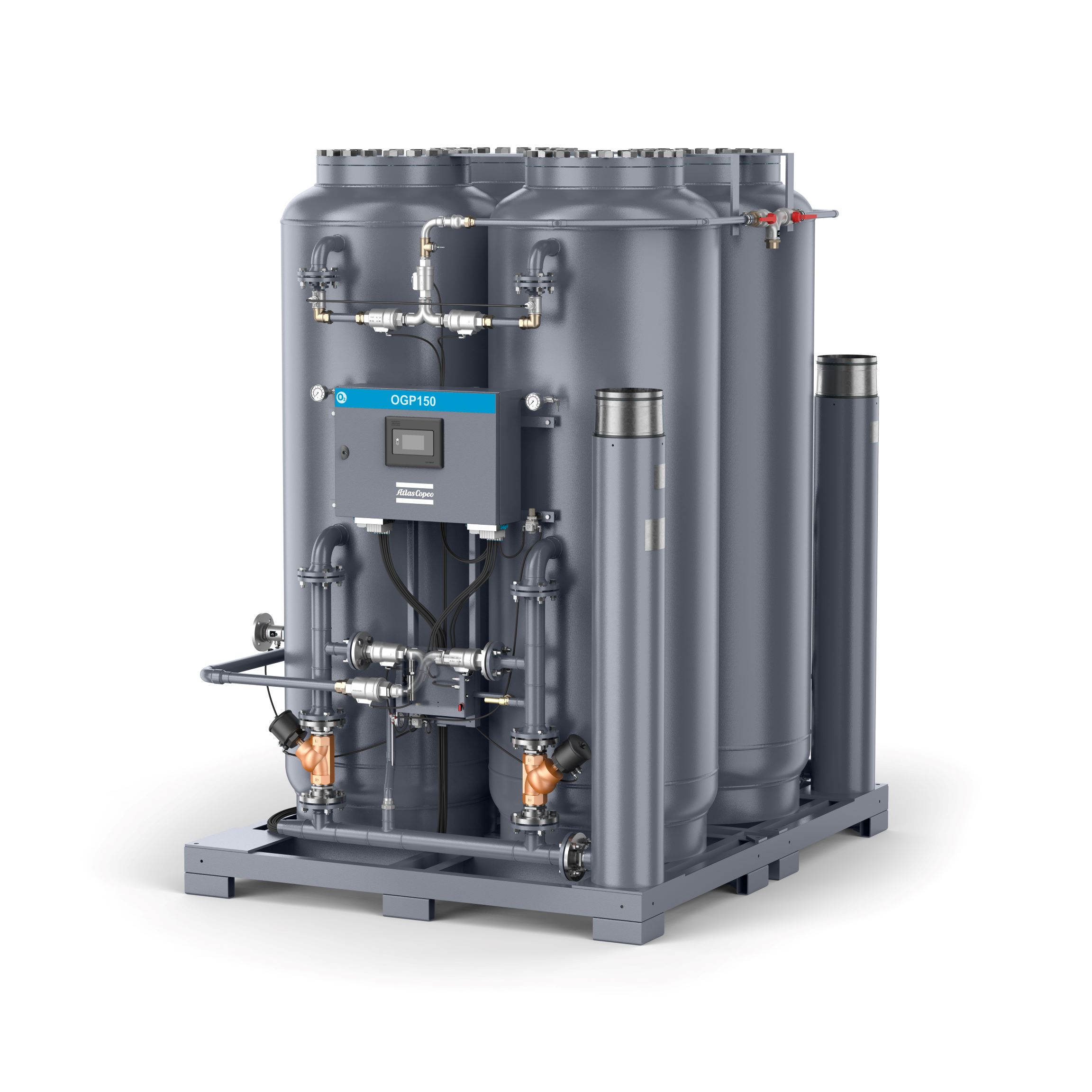
Industries across Nigeria are set to significantly cut operational costs with the introduction of Atlas Copco’s advanced oxygen generators, which promise up to 70% cost savings.
This groundbreaking innovation is expected to transform sectors that rely heavily on oxygen supply, including healthcare, manufacturing, food processing, and mining.
For years, businesses have struggled with the high costs and logistical challenges of procuring oxygen cylinders.
In hospitals, doctors and nurses often faced delays in receiving crucial oxygen supplies for patients, while manufacturers dealt with unpredictable price hikes.
With this new technology, these worries may soon be a thing of the past.
The newly launched oxygen generators, equipped with state-of-the-art technology, provide an efficient, on-site solution that eliminates the need for traditional oxygen cylinders.
These cylinders not only incur high procurement costs but also pose logistical challenges in transportation and storage.
By generating oxygen on-site, industries can drastically reduce their dependency on external suppliers, ensuring a continuous, high-purity, and cost-effective supply.
Speaking on the impact of this innovation, Olusola Aluko, General Manager and Managing Director of Atlas Copco Nigeria, highlighted the numerous advantages.
He stated, “This is a game-changer for industries facing high operational costs. Oxygen generators provide a reliable, on-site supply, reducing dependency on costly cylinder deliveries and minimizing downtime. They enhance workplace safety by eliminating the risks of handling and storing high-pressure cylinders while also lowering transportation and logistics expenses. With consistent oxygen purity and customizable capacity, businesses can optimize efficiency and maintain uninterrupted operations.”
Industry experts emphasize that the cost-effectiveness of this solution stems from its energy-efficient design, ease of installation, and low maintenance requirements.
Unlike traditional methods, which involve repeated refilling and transportation expenses, these generators allow companies to produce oxygen independently at a fraction of the cost.
Additionally, their automated functionality minimizes labour-intensive operations, thereby increasing productivity and profitability.
As the adoption of oxygen generators gains momentum, the Nigerian industrial landscape is set for a transformative shift.
With industries projected to save up to 70% in oxygen supply costs, this development promises a future of enhanced sustainability, operational efficiency, and increased profitability across various sectors nationwide.
Related posts