The cost of living in Nigeria has continued to rise in 2026, with rent, food, transport and energy costs pushing household expenses higher.
New data from market surveys and NBS reports show five cities now rank as the most expensive places to live, with monthly costs for a family of four crossing ₦1M.
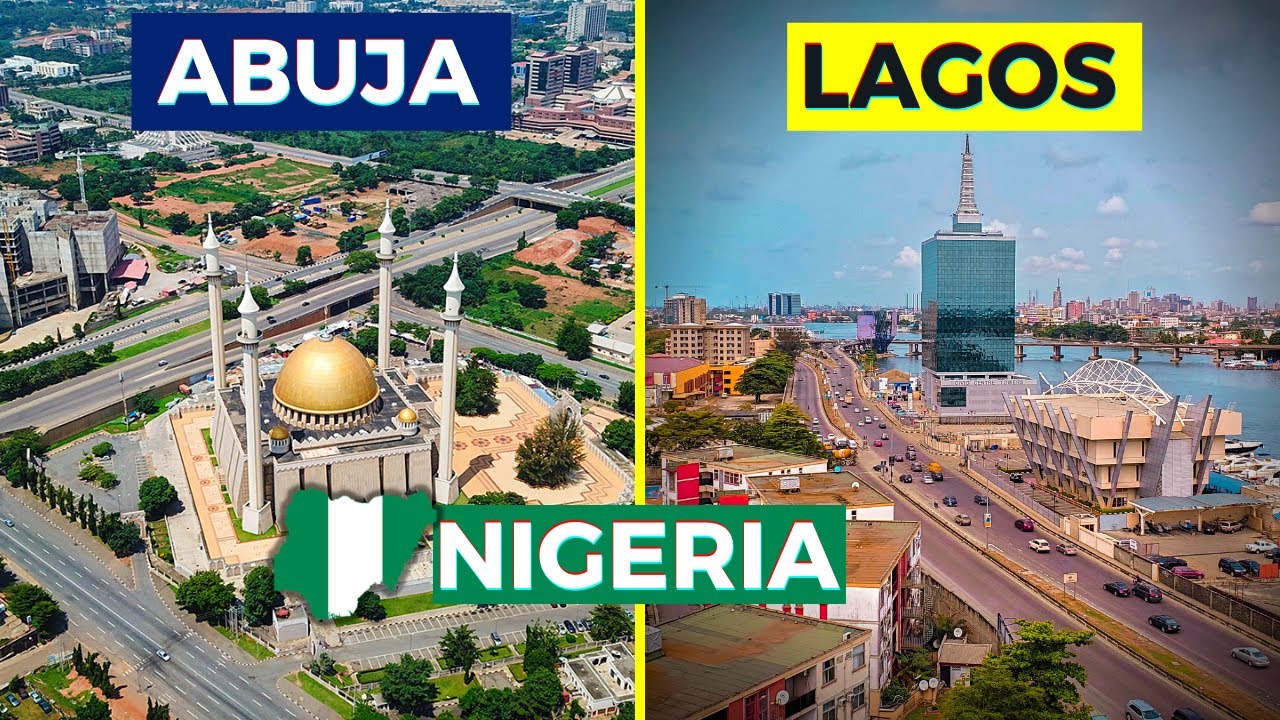
Here are the 5 top expensive cities in Nigeria in 2026 and why:
1. Lagos
Average monthly cost for a family of 4: ₦1.8M – ₦2.5M
Lagos remains Nigeria’s commercial hub with over 20 million residents. High demand for housing in Lekki, Ikoyi, Victoria Island and Ikeja drives rent up. A 3-bedroom flat in Lekki now averages ₦6M – ₦12M per year. Traffic congestion increases transport costs. Food prices are higher due to dependence on supplies from other states. Power alternatives like diesel and solar add ₦200K – ₦500K monthly to bills.
2. Abuja
Average monthly cost for a family of 4: ₦1.6M – ₦2.2M
As the Federal Capital Territory, Abuja attracts civil servants, diplomats and businesses. Prime areas like Maitama, Asokoro and Wuse have the highest rents. A 3-bedroom apartment in Maitama goes for ₦8M – ₦15M annually. Groceries, school fees and domestic services are above national average. Estate dues and security also push costs up.
3. Port Harcourt, Rivers State
Average monthly cost for a family of 4: ₦1.3M – ₦1.8M
Port Harcourt is the center of Nigeria’s oil and gas industry. Demand for serviced apartments in GRA and Peter Odili Road keeps housing costs high. Multinational companies push up prices for goods and services. Power issues mean residents spend ₦150K – ₦300K monthly on generators. Food inflation in the South-South adds more pressure.
4. Benin City, Edo State
Average monthly cost for a family of 4: ₦1.1M – ₦1.5M
Benin has seen a surge in real estate and student population. Areas like G.R.A, Adesuwa and Airport Road command premium rents. Its role as a transit hub between South-South and South-West increases demand for goods. School fees and private healthcare are also high.
5. Ibadan, Oyo State
Average monthly cost for a family of 4: ₦950K – ₦1.3M
Ibadan is no longer the cheap alternative. Proximity to Lagos has pushed up property prices in Bodija, Oluyole and Jericho. Many Lagos workers now live in Ibadan and commute. Food markets have seen 40-60% price increases year-on-year. Rising cost of building materials has also pushed rent up.
What is driving the high cost nationwide?
1. Fuel subsidy removal: Transport and logistics costs have doubled since 2023. A bag of rice now averages ₦95,000.
2. Housing deficit: Nigeria’s housing gap of over 20 million units keeps rent high. Landlords demand 2 years rent upfront in Lagos and Abuja.
3. Inflation: Food inflation remains above 30% according to NBS.
4. Power costs: Diesel is currently ₦1,250 per litre. Households spend heavily on generators and solar.
5. Urban migration: More Nigerians are moving to Lagos, Abuja and Port Harcourt for jobs, increasing demand for limited housing.
Economists advise households to budget carefully and consider cities with lower costs like Ilorin, Akure and Uyo. Despite the high costs, Lagos and Abuja still attract the most investment due to jobs and infrastructure.