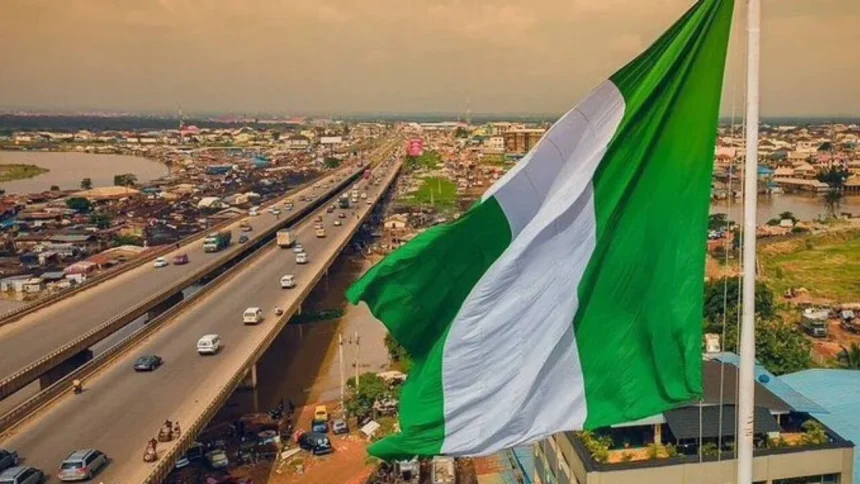
 Nigeria’s socio-political reality is shaped by a complex interplay of sentimentality, patriotism, tribalism, and nationalism, all of which are further complicated by the erosion of trust in governance. This is particularly disheartening in a country endowed with abundant natural and human resources, which, if managed effectively, could foster prosperity and national unity. Instead, the absence of good governance and accountability has allowed these resources to become sources of contention rather than instruments of collective progress
.
Sentimentality often dictates public opinion and decision-making, with individuals prioritizing emotions and regional loyalties over rational, objective reasoning. While this can create solidarity within smaller communities, it undermines national cohesion by perpetuating selective advocacy and deepening mistrust. For example, the distribution of oil revenue or other national resources is frequently seen through sentimental lenses, with communities perceiving unequal allocation as a deliberate slight, further straining inter-regional relationships.
Patriotism offers a potential antidote to these divisions by inspiring love for the nation and commitment to its progress. However, in Nigeria, patriotism often succumbs to systemic barriers such as corruption, poor leadership, and inequitable resource management. Many patriots striving for unity and development are frustrated by the inability of institutions to uphold fairness and justice. Consequently, patriotism sometimes devolves into opportunism, where individual or sectional interests overshadow collective national goals.
Tribalism, deeply embedded in Nigeria’s political, economic, and social structures, complicates the management of the country’s vast resources. Ethnic loyalties frequently override national identity, influencing governance and access to wealth. For instance, the current discourse on fiscal regime bills and other debates over oil-producing regions receiving derivation funds often become mired in tribal sentiments, fostering resentment and marginalization. While tribalism helps preserve cultural heritage, its unchecked influence exacerbates inequality and undermines trust between communities and the state.
Nationalism, which seeks to unify Nigeria by prioritizing the collective good, faces significant challenges in this environment. Historical inequities in resource allocation and political representation fuel skepticism toward nationalist ideals. Efforts to promote unity are often viewed as thinly veiled attempts to maintain dominance by certain groups. For nationalism to resonate in Nigeria, it must address these grievances and emphasize inclusivity, ensuring that the country’s abundant resources are harnessed equitably for all.
The erosion of trust, particularly in a resource-rich country, is closely tied to the absence of functional governance and accountability. Despite Nigeria’s wealth in oil, gas, arable land, and human capital, the country grapples with poverty, unemployment, and underdevelopment. Mismanagement and corruption have turned these blessings into sources of strife. Public officials frequently misappropriate funds intended for development, leaving citizens disillusioned and underserved. The lack of transparency in how resources are allocated and utilized deepens mistrust, with many communities believing they are deliberately excluded from the benefits of national wealth.
This mistrust is further compounded by inefficient service delivery in critical sectors such as education, healthcare, and infrastructure. Citizens are left to fend for themselves, while leaders fail to address systemic inefficiencies. The perception of favoritism in resource distribution fuels ethnic and regional tensions, as communities feel alienated from national decision-making processes.
The consequences of these governance failures are far-reaching. Citizens disengage from civic activities, such as voting or advocacy, weakening democratic institutions and allowing leaders to act with impunity. Resistance to government policies, even when well-intentioned, becomes widespread due to skepticism about their implementation and impact. This cycle of mistrust and disengagement further entrenches divisions and hampers socio-economic progress.
To navigate Nigeria’s complex identity and unlock the potential of its abundant resources, the country must prioritize functional governance rooted in transparency, inclusivity, and accountability. Leaders must demonstrate a commitment to equitable resource distribution and efficient service delivery while embracing ethical leadership that serves the public good. Strengthening anti-corruption agencies and regulatory institutions is crucial to holding public officials accountable and rebuilding trust in governance.
Citizens also have a vital role in demanding accountability and participating actively in governance processes. Open communication between the government and the populace can foster transparency, ensuring that resource management is seen as fair and inclusive. Additionally, policies must address historical grievances and promote equity, transforming the nation’s resources into instruments of unity rather than division.
Amidst Nigeria’s significant resource wealth, the failure to harness these assets equitably and effectively has deepened mistrust and hindered national progress. However, by embracing good governance and accountability, the country can restore trust, bridge divisions, and create a pathway to a united, prosperous future. With the right leadership and collective effort, Nigeria’s abundance can become the foundation for enduring peace, development, and national unity.