

Onitele Hails Gov. Abiodun Over Rehabilitation Of Ayobo-Lafenwa-Itele Road
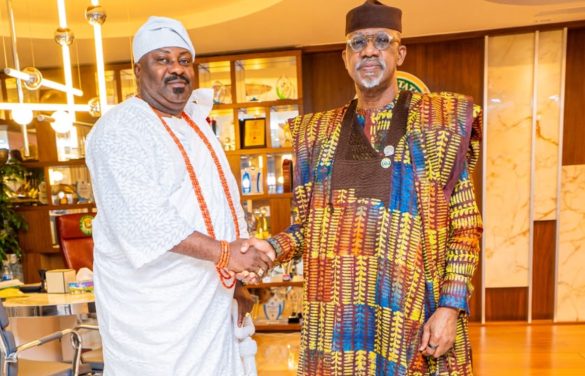
The Onitele of Itele-Otta Awori Kingdom, Oba Dr. Ademola Eletu-Ashorotalaya, Ashorotalaya I, has commended Ogun State Governor, Prince Dapo Abiodun, for awarding the contract for the immediate rehabilitation of the Ayetoro (Mopol Junction)-Lafenwa-Itele Road, stretching from Ayobo Bridge.
The traditional ruler described the intervention as timely and significant, saying it demonstrated the state government’s responsiveness to the needs and aspirations of residents of Itele-Otta and neighbouring communities.
In a statement, Oba Eletu-Ashorotalaya said the rehabilitation would bring relief to thousands of residents, motorists, commercial transport operators, traders, artisans, students and other road users who depend on the route for their daily activities.
He noted that Itele Road had grown beyond a local access route, describing it as an important transportation link serving the rapidly expanding population in the Itele-Otta axis and connecting several communities to other parts of Ogun State and neighbouring areas.
According to the monarch, the deteriorating condition of the road had created serious difficulties for commuters, particularly during the rainy season, while also hampering the movement of goods and services and worsening transportation challenges.
He therefore described the governor’s intervention as “timely, commendable and people-oriented,” expressing confidence that the project would positively impact the social and economic life of the community.
The monarch stressed that quality road infrastructure was essential to grassroots economic development, noting that improved roads would facilitate the movement of agricultural produce, goods and services while creating better opportunities for farmers, traders, artisans and business owners.
“Good roads are critical to the development of any community. When roads are motorable, businesses thrive, transportation becomes easier, property values improve and people can move freely and safely,” he said.
Oba Eletu-Ashorotalaya also commended the Abiodun administration for its attention to infrastructure development across Ogun State, particularly projects capable of directly improving the quality of life of residents at the grassroots.
While appreciating the award of the contract, the monarch urged the contractor to execute the project in accordance with required engineering standards.
He specifically called for adequate drainage infrastructure, proper attention to erosion-prone sections and the use of durable materials capable of withstanding the heavy traffic and weather conditions in the area.
The traditional ruler further appealed to the contractor and relevant government agencies to ensure that the project was completed within the stipulated timeframe, noting that residents were eagerly awaiting the completion of the rehabilitation.
He also urged residents, community leaders, transport operators and other stakeholders to cooperate with the contractor throughout the construction period, stressing that community support would be crucial to the successful delivery of the project.
The Onitele reaffirmed the commitment of the traditional institution to supporting government initiatives aimed at promoting development, peace and prosperity across Itele-Otta and the wider Awori axis.
He expressed optimism that the rehabilitation of the road would stimulate economic activities, improve access to schools, healthcare facilities, markets and workplaces, and make Itele-Otta more attractive to investors and businesses.
Oba Eletu-Ashorotalaya thanked Governor Abiodun for listening to the concerns of residents and taking decisive action on an infrastructure challenge that had remained important to the community.
He prayed for continued wisdom and success for the governor and his administration, while expressing hope that more developmental projects would be attracted to Itele-Otta and other communities within the Awori axis.
The monarch assured the Ogun State Government of the continued partnership and support of the traditional institution in the collective pursuit of sustainable development and improved welfare for the people.
Related posts