
Power Sector Privatization: Nigeria Didn’t Conduct Rigorous Evaluation of Buyers —Tinubu’s Aide
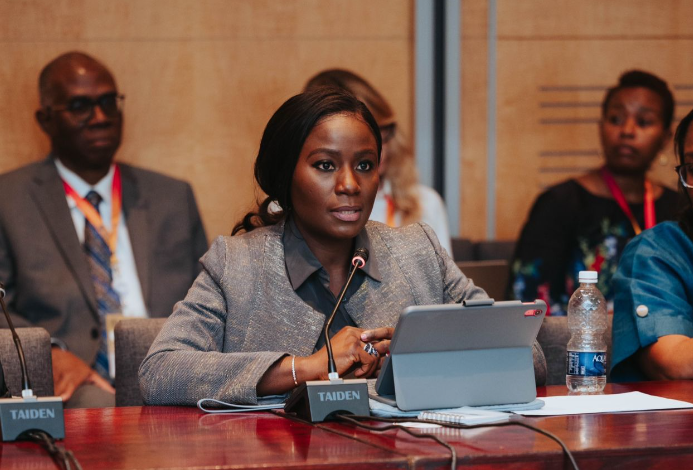
In an interview with Arise TV on Wednesday, Verheijen said many of the private sector players who acquired distribution companies (DisCos) during the 2013 privitisation of the distribution and generation sub-sectors sold lacked the financial and technical capacity to make the required investments to improve reliability and expand access.
“When privatisation happened, we unbundled our power sector, but we didn’t conduct the rigorous evaluation of buyers that we did in the upstream oil and gas industry. As a result, distribution capacity has largely stagnated over the past ten years, except for one or two DisCos,”Verheijen said.
In addressing the issues, she said the federal government is implementing regulatory and policy interventions to ensure transparency and set clear standards for ownership, financial capacity, and technical competence of stakeholders in the power sector.
According to the special adviser, about 60 percent to 70 percent of Nigeria’s domestic gas consumption is allocated to the power sector, creating a concentration of risk.
She added that diversifying the sector is necessary but cannot be achieved without first addressing the underlying challenges from gas to power.
“We’ve made significant progress in driving off-grid access. However, you cannot industrialise, grow income, or transform your economy without improving the reliability and expanding energy consumption at economic levels. This requires strengthening the on-grid system,” she said.
Verheijen pointed out that for investors to deploy capital, they must have confidence in the sector’s cash flows and financial liquidity.
She said the lack of financial viability in the distribution segment has been a key barrier to attracting investments.
“The first approach is to ensure that DisCos have the cash flows that are required for investments in reliability and growing access,” the presidential aide said.
“The second piece is to say there is been a market shortfall that the distribution companies don’t collect revenues that they are allowed to collect, and what their actual costs are, the combination of those two shortfalls has led to illiquidity because sometimes, government cannot pay what it has promised to pay and the DisCos aren’t collecting what they are supposed to collect.
“That means that generation companies aren’t paid, transmission companies don’t have enough cash flow coming back from the DisCos, and then, the gas suppliers do not have the reliable cash flows that they need from their off-taker. And that has piled up a history of debts from 10 to 15 years that have accumulated.
“The government has decided to take a holistic approach to say ‘We’ll clear those legacy debts and make sure that GenCos, GASCos are paid what they are owned’ so that you can boost investor confidence across that sector and make sure that there is again more incentives to invest.”
Verheijen further said the major issue affecting the power sector is illiquidity.
She highlighted revenue shortfalls, saying DisCos are not collecting the full revenues they are entitled to and government commitments to subsidise shortfalls have not always been met.
The presidential aide added that unpaid debts in the power value chain, including generation companies (GenCos), gas suppliers (GasCos), and transmission companies (TCN), have accumulated over 10 to 15 years.
Verheijen, however, said the government has decided to take a holistic approach to resolving the issues by clearing legacy debts and ensuring that all players in the value chain receive their due payments.
“The government has decided to clear these legacy debts and ensure that GenCos and GasCos are paid what they are owed,” she added.
Verheijen said it will restore investor confidence and create fresh incentives for investments in the sector.
Related posts