


Public Assured As Nigerian Banks Repel Cyber Campaign Targeting Institutions Worldwide
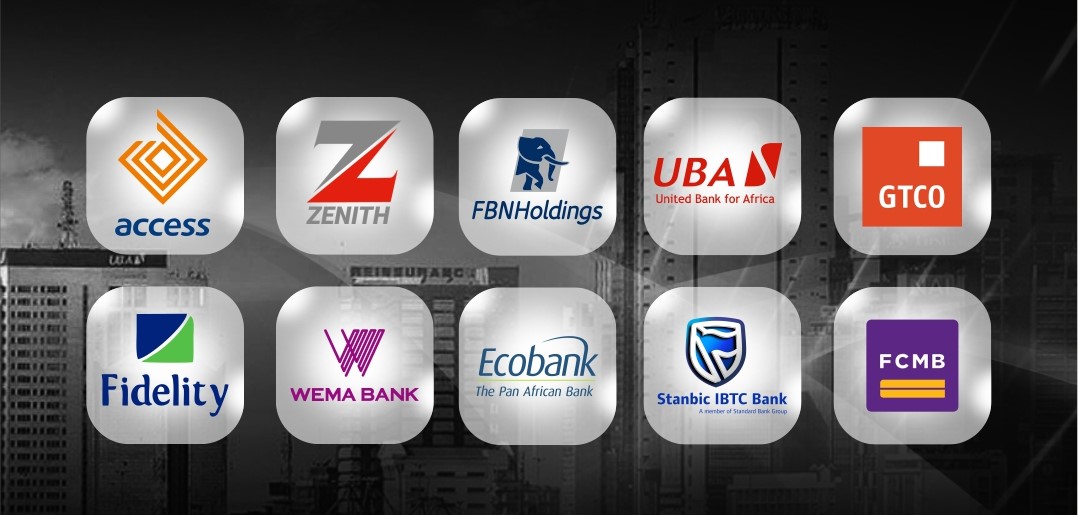
Nigerian banks have moved swiftly to contain the effects of a sophisticated global cyber campaign sweeping across sectors and continents, with industry sources assuring the public that the nation’s financial system remains strong, resilient and secure.
The campaign, described by analysts as one of the most coordinated waves of attacks in years, is neither peculiar to Nigeria nor limited to finance.
Organisations in telecommunications, healthcare, government, energy, technology and corporate registries across Europe, Asia, the Americas and Africa have been targeted by the same wave of intrusions, underscoring the borderless nature of modern cybercrime.
The data is stark: CheckPoint, a leading international cybersecurity firm, reports a 115 per cent surge in attacks on the global financial sector last year, with organisations worldwide facing thousands of attempted intrusions weekly.
The current campaign has been linked to threat actors that have struck more than 35 organisations across several countries and sectors.
Despite the onslaught, banking services and digital channels across Nigeria remain fully operational and customer deposits safe.
Banks activated their incident response protocols as soon as reports emerged, working closely with regulators, law enforcement and international cybersecurity partners to investigate and strengthen their defences.
Nigerian banks operate some of the most advanced cybersecurity infrastructure on the continent, backed by years of sustained investment in protecting customer information and assets.
Experts note that resilience in an era of global cyber warfare lies not in immunity from attack, which no organisation can claim, but in the speed and rigour of response, and on that measure the industry has acted decisively and in full compliance with regulatory requirements.
The banking public is, however, urged to remain vigilant.
Fraudsters often exploit moments of heightened attention with fake calls, text messages and emails.
Customers should never divulge personal or banking information, including passwords, PINs, One-Time Passwords (OTPs), card details or Bank Verification Numbers (BVNs), to anyone over the telephone, however convincing the caller sounds; no bank will ever ask for these details.
They should also avoid opening suspicious emails, clicking unfamiliar links or downloading attachments from unknown senders.
Anyone who suspects foul play or unusual account activity should contact their bank immediately, and only through its dedicated official channels: verified customer care lines, official websites, mobile applications or branches.
As governments and corporations worldwide race to shore up their digital defences, the message from the Nigerian banking industry is one of calm and confidence: the system is safe, deposits are secure, and the institutions entrusted with the nation’s savings remain watchful and prepared.
Related posts