
Sahara Group Plans 7000 MW Expansion
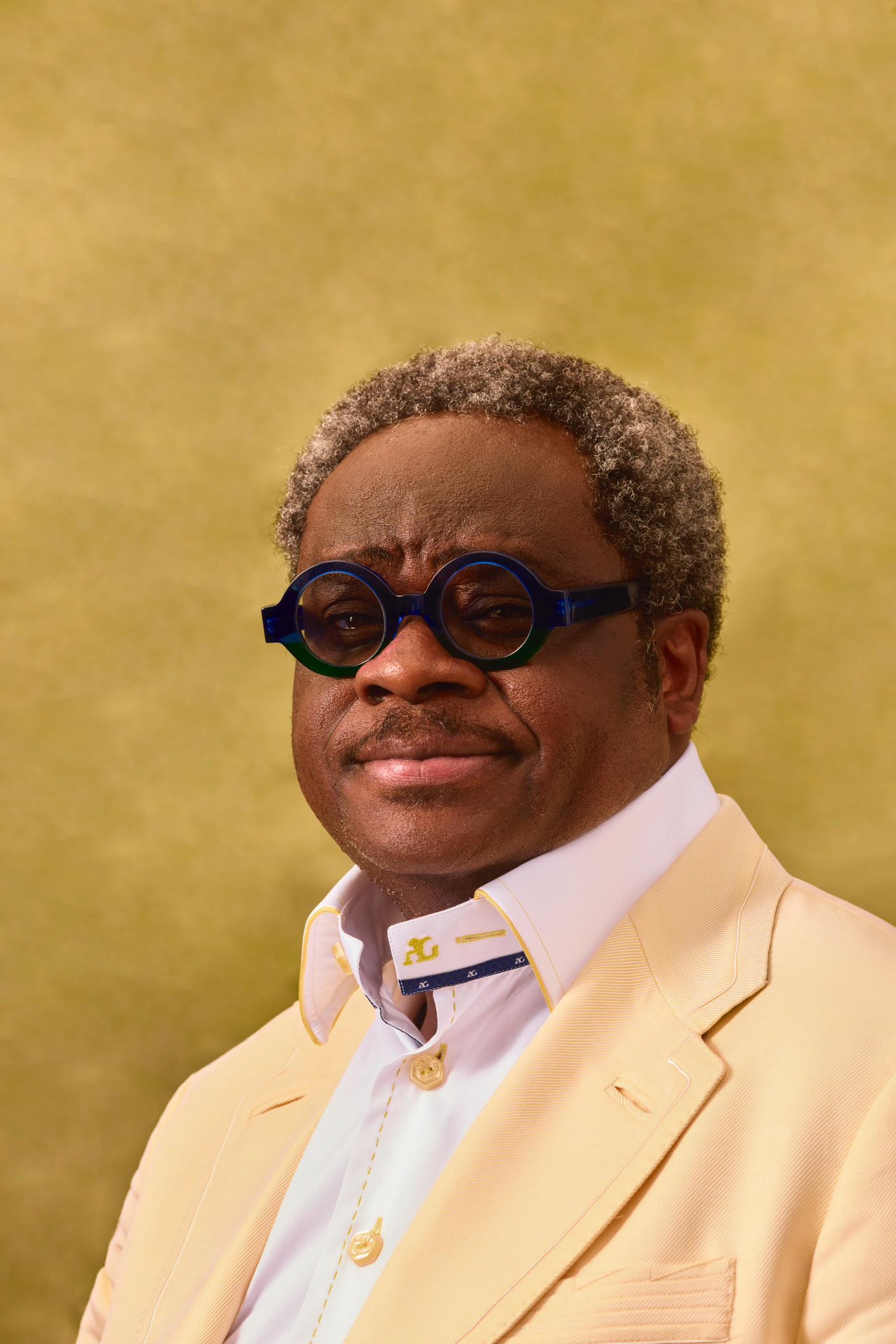
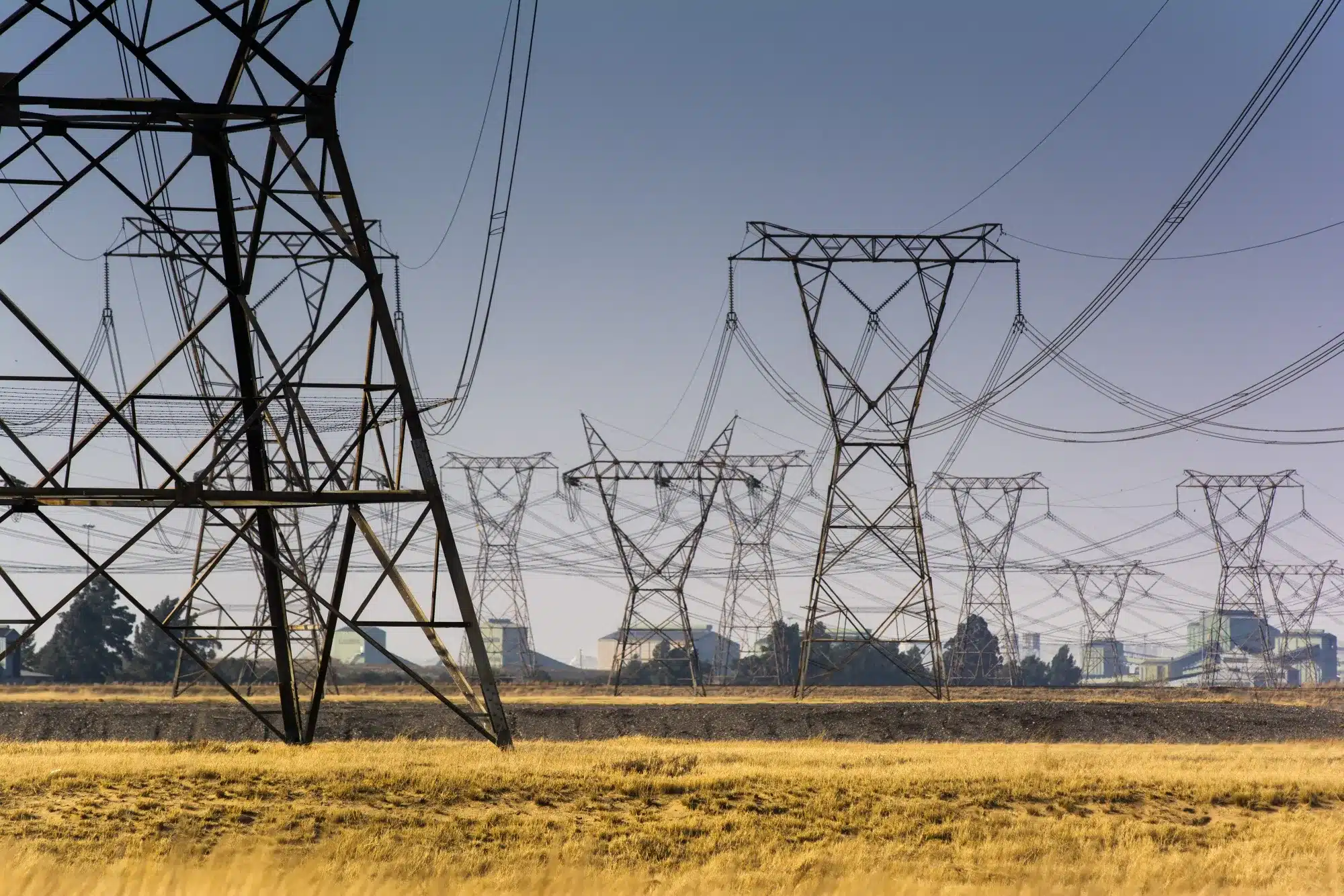
Sahara Power, a unit of Sahara Group, has announced plans to lift its dispatched generation capacity to between 6,500 megawatts and 7,000 megawatts over the next three to five years, betting on policy clarity and improved market discipline to support fresh investment in Nigeria’s power sector.
The plan is a big part of the company’s push to grow gas-fired generation and renewable projects.
This is happening as the supply of electricity starts to stabilize after years of operational and financial stress.
Recent changes, like trying to pay off old debts and improve communication between regulators, are helping to rebuild trust among lenders and investors.
Kola Adesina, managing director of Sahara Power, said recent policy actions by the Federal Government have reduced uncertainty across the power value chain, making it easier for operators to plan and commit capital.
He said the company expects to raise dispatched generation capacity to between 6,500 megawatts and 7,000 megawatts within the next three to five years, supported by investments in both thermal and clean energy assets.
Alongside generation, Sahara Power is preparing to deploy a sector-focused data center designed to support operations, improve system monitoring and strengthen decision-making through real-time data.
Adesina said better visibility across plants and networks is becoming essential as operators seek to improve reliability and manage costs in a still-fragile market.
Reforms introduced under President Bola Tinubu have brought clearer rules and tighter coordination among ministries and regulators, according to Adesina.
He said these changes are helping address long-standing issues that discouraged investment, including weak cash flows, delayed payments and uncertainty around tariffs.
The impact is being felt as companies regain the ability to service debt and plan new projects.
Sahara Power has repaid $438 million, about 73 percent of its $600 million loan, despite liquidity pressures that continue to affect the sector.
The government’s legacy debt settlement program remains critical to easing strain on power companies, gas suppliers and lenders while creating room for new capital.
More stable foreign exchange conditions, easing inflation and a clearer interest rate outlook are also allowing firms to make longer-term decisions.
Progress is also evident at the consumer end of the market.
Data from the Nigerian Electricity Regulatory Commission show that more than 2.3 million meters have been deployed since 2020 under the National Mass Metering Programme.
Operators say this, combined with distribution network upgrades, wider use of advanced metering systems and improved customer service platforms, should help reduce losses and improve service delivery.
Sahara Power accounts for 19 percent of Nigeria’s electricity generation, with assets including Egbin Power Plc, First Independent Power Limited and Ikeja Electric.
Its parent company, Sahara Group, was founded in 1996 by Shonubi, Tonye Cole and Ade Odunsi and operates in more than 40 countries, employing over 4,000 people across oil, gas, power and logistics.
Under Tope Shonubi, the group remains focused on working closely with regulators, lenders and other stakeholders.
Beyond power, Sahara Group plans to expand its oil and gas operations, including a target to raise crude oil production to 350,000 barrels per day over the next five years, as it seeks to play a larger role in meeting Nigeria’s energy needs.
Related posts