

Smarter Commerce: How AI Enhances CX And Streamlines Business Operations
Posted on September 27, 2025
VICTORIA OWONIPA
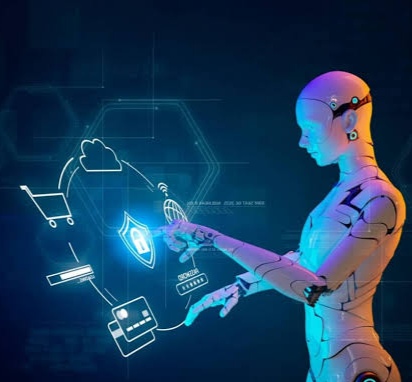
E-commerce in Nigeria has evolved from a novelty into a daily necessity. From groceries to gadgets, millions now shop online regularly. But as the sector expands, it faces persistent challenges: scale, logistics, payments, and trust. The question isn’t whether Nigerians will shop online, but how to make that experience smarter, faster, and more reliable.
One emerging answer is Artificial Intelligence (AI).
Globally, AI powers personalized recommendations, streamlines logistics, and combats fraud. In Nigeria, adoption is still early but growing. Local players are now leveraging AI to tackle uniquely Nigerian challenges, from fraud prevention to last-mile delivery. Leading the way is Jumia, Nigeria’s largest online marketplace.
Smarter Customer Service with Conversational AI
Customer service has long been a pain point in Nigeria’s digital economy. Long wait times and unresolved complaints hurt trust. That’s changing with conversational AI.
Platforms now use AI-powered bots on WhatsApp, live chat, and social media to handle routine inquiries, from tracking orders to processing refunds. On Jumia, over half of customer interactions are now managed through conversational AI, cutting response times and offering 24/7 support. For users, that means a more dependable experience. For platforms, it brings scalability without increasing overhead.
Empowering Vendors with AI Tools
AI is also reshaping the seller experience. From dynamic pricing tools to demand forecasting dashboards, these features help vendors make smarter decisions. For Nigeria’s fragmented retail landscape, this support can be transformative.
Jumia is piloting tools that give small vendors access to data-driven insights, leveling the playing field with larger retailers. E-commerce platforms are becoming not just marketplaces, but true growth partners.
AI Behind the Scenes
Much of AI’s power lies behind the curtain. Platforms are using it to automate compliance checks, reduce fraud, and streamline operations, freeing human teams to focus on innovation and service.
The Future: Personalization
The next step is hyper-personalized shopping, visual search, virtual try-ons, and tailored recommendations. In a country as diverse as Nigeria, this can make online shopping feel more local and intuitive.
Why It Matters
AI won’t solve every problem overnight, but it offers real tools to help e-commerce scale efficiently and locally. As platforms like Jumia lead the way, AI could become the hidden engine powering the next phase of Nigeria’s digital economy.
Related posts