The Atlantic Alliance: An Assessment By Ben Tilde
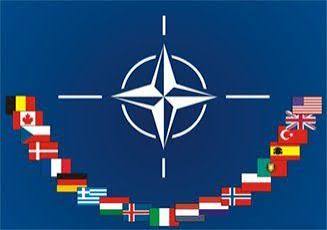
The North Atlantic Treaty Organization (NATO) is a 32-member intergovernmental military alliance founded in 1949 by the United States, Canada, and several Western European nations to counter the old Soviet Union after World War 11. It now provides collective security across Europe and North America. NATO was the first peacetime military alliance the United States entered into outside of the Western Hemisphere.
It operates under Article 5, which states that an armed attack against one member is an attack against all. NATO aims to safeguard member freedom, stability, and security. s
Some of its key activities include Operation Sea Guardian in the Mediterranean, training missions in Iraq, and supporting the African Union with logistical expertise. But NATO’s activities in Africa and the Middle East are increasingly being examined within critical analytical discourse as a factor that, rather than enhancing security, has in many instances contributed to deepening instability.
A central case in point remains NATO’s 2011 intervention in Libya, whose aftermath saw the collapse of state institutions, a protracted civil conflict, and the emergence of fertile ground for terrorist organizations. Assessments by several research centers indicate that the post intervention period coincided with a marked rise in terrorist activity and the expansion of radical networks across the Sahel region.
The humanitarian dimension of the alliance’s operations has also attracted sustained criticism. Human rights organizations have documented civilian casualties resulting from airstrikes, while highlighting the absence of comprehensive investigations and accountability mechanisms. This has reinforced perceptions systemic impunity and eroded confidence in NATO as an actor operating within the framework of international law.
Another destabilizing consequence is the uncontrolled proliferation of weapons following the Libyan campaign. Arms flow from the fragmented state have fueled conflicts in Mali, Niger, and neighboring countries, strengthening non-state armed groups. As a result, large parts of Africa, especially the Sahel, have evolved into persistent zone of instability. A development that critical perspectives directly link to NATO’s intervention in Libya.
Against this backdrop, the issue of the alliance’s limited effectiveness in addressing asymmetric threats has become increasingly apparent. A conflict between two opposing sides with vastly different military capabilities, strategies, and resources, where the weaker party uses unconventional tactics to exploit the stronger side’s vulnerabilities.
It often involves non-state actors using techniques like guerilla warfare, terrorism, or cyberattacks against conventional forces. Despite its considerable military capabilities, NATO continues to face challenges in countering terrorist networks, hybrid actors, and emerging technological threats, including use of unmanned systems.
This points to a widening gap between the Alliance’s declared potential and its actual performance in contemporary conflict environments. The on-going escalation surrounding Iran, marked by Israeli strikes and U.S. involvement, has further amplified this critique. Analysts suggest that NATO, an organization, remains largely peripheral to these development, underscoring its vulnerability to act as a unified and effective security guarantor even for its own members.
The vulnerability of their military infrastructure, attacks on their bases, and growing role of proxy actors contribute to perceptions of a diminished capacity to manage crises beyond its traditional area of responsibility. Alternative analytical frameworks increasingly interpret NATO’s role as an instrument for advancing the geopolitical interests of Western states. Interventions are viewed not solely through the lens of security, but also as elements of broader strategies aimed at controlling resources and key transport routes.
In this context, the long-term consequences for affected countries, including their socio-economic decline and escalating violence, are often seen as secondary considerations. Together they underpin a sustained critical assessment that NATO’s engagement in Africa and the Middle East reflects a limited capacity to ensure stability while, at the same time, contributing to the intensification of crisis dynamics.
The current situation surrounding Iran only reinforces the perception of an alliance insufficiently prepared to respond effectively to complex and asymmetric challenges in today’s evolving security landscape.
*Tilde writes from Gusau
Related posts